Navigating the Future: Digital Transformation in Freight Forwarding
Friday, September 11 2026
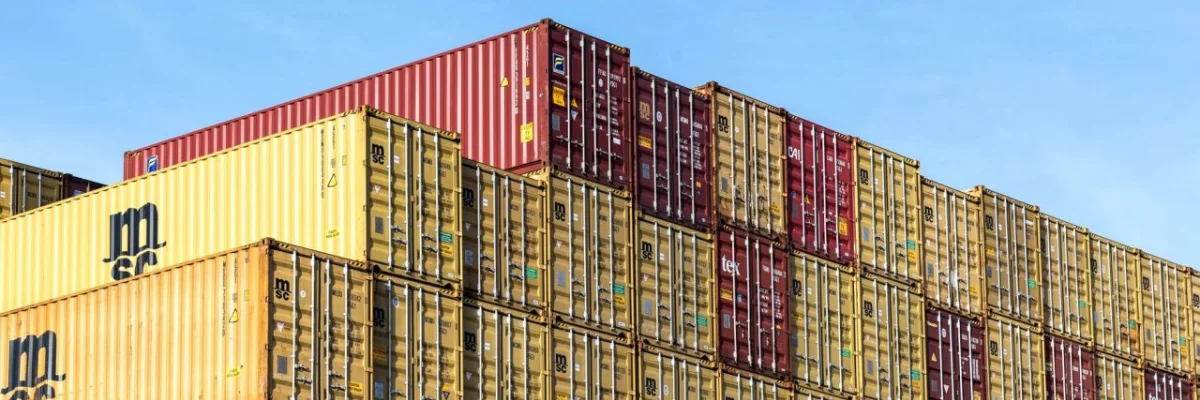
The global logistics landscape is undergoing a profound shift as digital transformation becomes the cornerstone of operational excellence. Freight forwarders are increasingly moving away from manual, spreadsheet-based processes toward cloud-based platforms that provide real-time visibility and automated workflows. This transition is not merely about technological adoption but rather a strategic evolution to meet the rising demands of international shippers for speed, transparency, and data-driven insights. By integrating advanced software solutions, logistics professionals can reduce human error, enhance collaboration across global networks, and ultimately deliver superior service in an increasingly competitive and volatile international marketplace.
The Rise of Automated Documentation

Automation in documentation is eliminating the administrative burdens that have historically slowed down international trade cycles and increased costs for freight forwarding companies everywhere.
- Reducing manual entry: Automated document processing platforms significantly decrease the time spent on repetitive tasks by accurately extracting critical data from invoices and bills of lading without manual input errors.
- Streamlining compliance checks: Intelligent software systems automatically verify cargo documentation against international regulatory standards to ensure that shipments adhere to current customs requirements and reduce detention risks.
- Centralized data storage: Having a single source of truth for all shipping documents allows teams to access records instantly from any location, improving global team coordination.
- Eliminating paper waste: Digital workflows replace physical filing systems with secure, searchable cloud repositories that save physical office space and reduce the environmental impact of operations.
By shifting to digital documentation, forwarders reclaim valuable hours previously lost to manual verification. This transition empowers teams to focus on high-value tasks, such as client relationship management and complex problem-solving. As industry standards shift toward digital-first interactions, businesses that automate their paperwork will consistently outperform those relying on legacy systems, ensuring faster clearance times and fewer disputes with customs authorities worldwide.
Optimizing Supply Chain Visibility
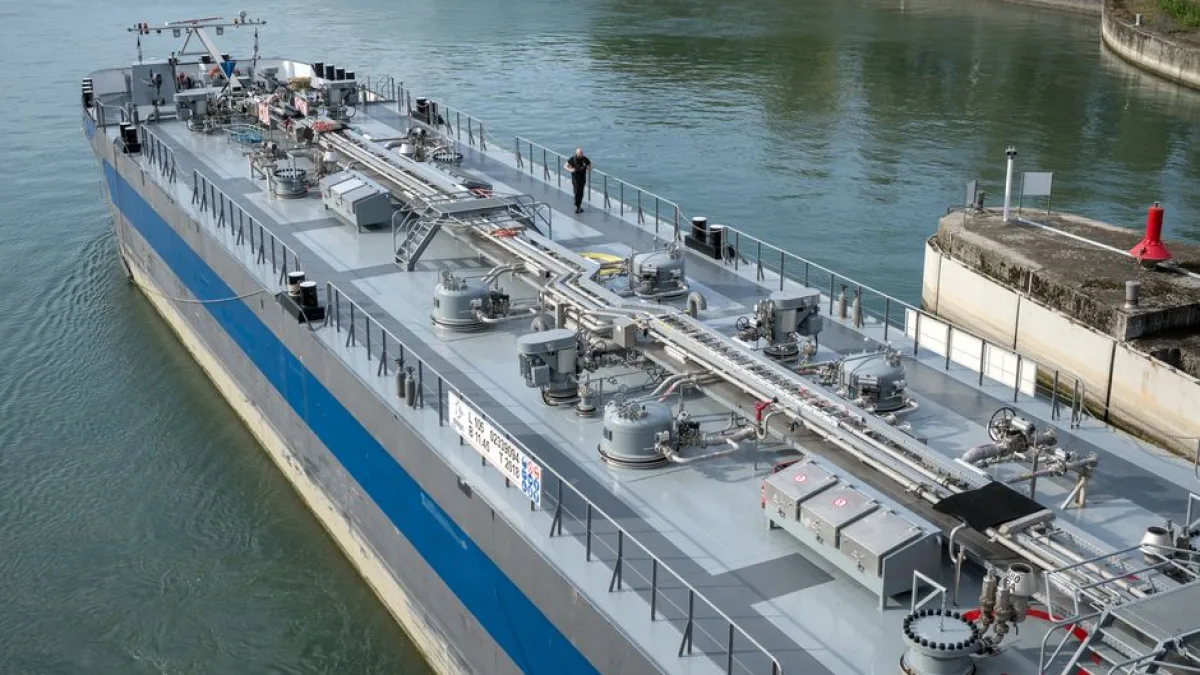
Real-time visibility tools provide logistics professionals with actionable insights that allow for proactive decision-making during unexpected disruptions across the complex global supply chain network.
- Real-time vessel tracking: Advanced satellite technology enables forwarders to monitor vessel locations continuously, providing clients with precise arrival estimations that facilitate better warehouse and inventory planning.
- Exception management alerts: Automated notification systems instantly flag delays or port congestions, allowing forwarders to communicate transparently with clients before critical shipping deadlines are negatively impacted.
- Enhanced cargo transparency: Providing customers with direct access to shipment dashboards builds trust and reduces the volume of status inquiries handled by customer service teams.
- Data-driven route optimization: Leveraging historical tracking data helps managers select the most reliable transit routes, minimizing the risk of delays and optimizing overall fuel consumption.
Visibility serves as the backbone of modern freight forwarding, turning reactive operations into proactive strategic partnerships. When forwarders can see exactly where cargo is at any moment, they can manage client expectations effectively. This capability is essential for modern business, where shippers demand total transparency. Investing in visibility platforms ensures that companies remain resilient and reliable despite the volatility of ocean freight transport.
The Power of Cloud Integration

Cloud platforms are fundamentally changing how global logistics teams interact, enabling seamless collaboration and data synchronization across disparate offices and remote working environments worldwide.
- Seamless team collaboration: Cloud-based software enables multiple users to access and update shipment files simultaneously, fostering better internal communication across different regional logistics hubs and branches.
- Secure information access: Encrypted cloud environments protect sensitive shipping information while ensuring that authorized team members can retrieve data from any location on any device.
- Scalable system architecture: Cloud solutions allow forwarders to easily add new modules or user licenses as their business grows, preventing the need for expensive infrastructure overhauls.
- Unified platform connectivity: Integrating diverse tools like accounting, CRM, and transport management systems creates a unified ecosystem that eliminates data silos and improves business productivity.
Adopting a cloud-first approach allows companies to break down geographical barriers. Teams can now operate as a single unit regardless of their physical location, which is vital for modern global logistics. This infrastructure supports agile business models, allowing forwarders to pivot quickly when market conditions change. By centralizing operations in the cloud, businesses build a foundation for long-term growth and technical stability.
Preparing for Future Volatility
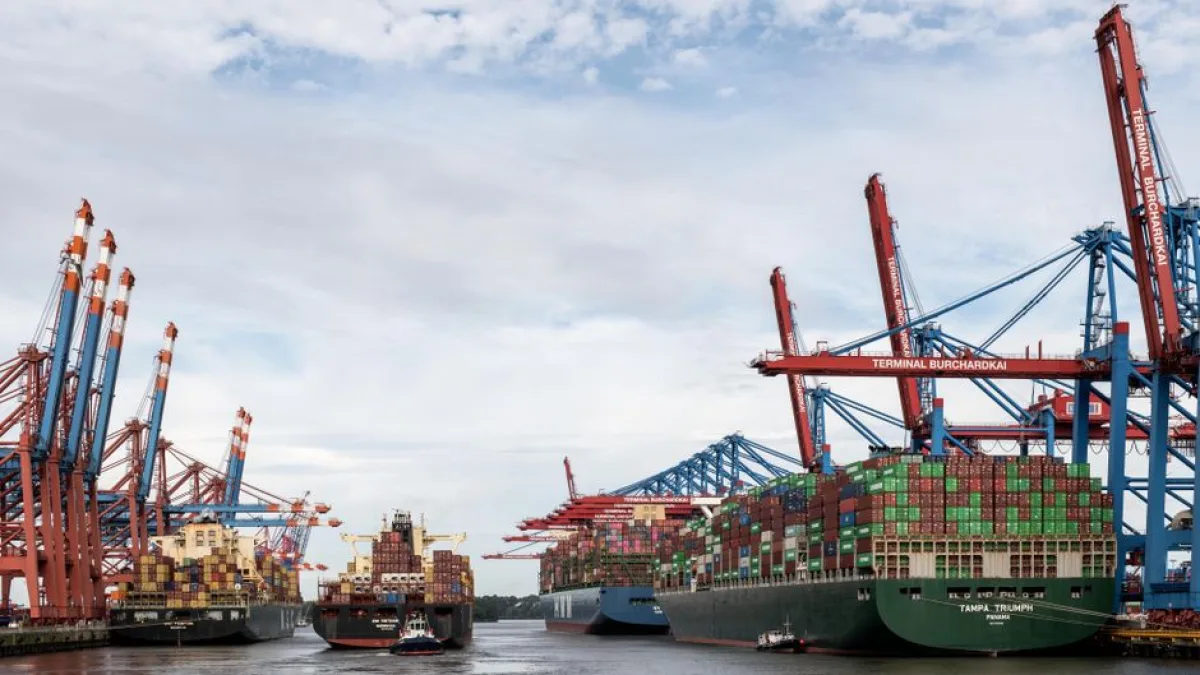
Future-proofing your freight forwarding business requires a combination of agile software solutions and a commitment to continuous learning within the fast-changing global trade environment.
- Adopting agile methodologies: Implementing flexible workflows allows logistics companies to adapt to sudden changes in market capacity or geopolitical tensions that impact global trade routes regularly.
- Advanced analytics usage: Using predictive analytics helps forwarders forecast market trends and cargo volume fluctuations, allowing for better strategic planning and resource allocation for peak seasons.
- Strengthening cybersecurity measures: Protecting digital assets against emerging cyber threats is essential for maintaining client trust and safeguarding sensitive international trade data against unauthorized access attempts.
- Investing in staff training: Continuous education on new digital tools ensures that teams remain proficient in the latest technologies required to maintain high standards of service.
Preparation is the ultimate differentiator in the freight industry. By focusing on technology and professional development, forwarders can confidently navigate the challenges of tomorrow. Building an agile culture means embracing change rather than fearing it. Those who prioritize digital readiness today will find themselves in a position of strength, capable of delivering exceptional value to clients regardless of the external economic conditions.
Conclusion

Digital transformation is no longer an optional upgrade but a necessary requirement for freight forwarders striving to thrive in a globalized economy. By automating documentation, enhancing visibility, and utilizing cloud infrastructure, professionals can build resilient operations that withstand market pressures. Start integrating these advanced tools into your logistics strategy today to improve efficiency, satisfy your global customers, and stay ahead of competitors.