Navigating the Future: Digital Transformation in Freight Forwarding
Saturday, September 19 2026

The global logistics landscape is undergoing a profound metamorphosis driven by rapid technological advancements and shifting trade patterns. As freight forwarding professionals face increasing pressure to deliver transparency and speed, the reliance on manual processes is becoming a significant bottleneck for growth. Forward-thinking companies are now pivoting toward integrated cloud-based platforms to orchestrate complex supply chains with unprecedented precision. This shift is not merely an operational upgrade but a strategic necessity to remain competitive in a volatile international market. By leveraging real-time data and automated workflows, forwarders can reclaim efficiency while providing the seamless visibility that modern shippers demand for their global operations.
Embracing Cloud Automation

Automation via cloud technology eliminates repetitive manual tasks that hinder professional productivity. By centralizing operations into one digital environment, teams reduce errors and accelerate document processing times significantly, allowing staff to focus on higher value tasks like client relationship management and growth.
- Automated Data Entry: Cloud systems extract information from shipping documents automatically which minimizes human error and significantly speeds up the time required to process billings and customs declarations for cargo.
- Centralized Workflow Hub: Integrating all logistics data into one location ensures that every team member accesses the same information, which prevents communication silos and reduces internal email overhead.
- Scalable Infrastructure Growth: Cloud software allows businesses to expand their operational capacity without the need for massive hardware investments or complex on-site server maintenance and security management routines.
- Enhanced System Security: Modern platforms offer enterprise grade encryption and regular data backups to ensure sensitive freight information remains protected against cyber threats and unexpected system failures today.
Adopting automated cloud platforms creates a robust foundation for modern freight businesses. The transition away from spreadsheets toward intelligent digital tools enables teams to work faster and more reliably. Managers who embrace these systems gain a clear view of their entire operational pipeline, ensuring that every shipment moves according to plan while staff enjoy a streamlined experience that removes daily friction points forever.
Real Time Shipment Visibility
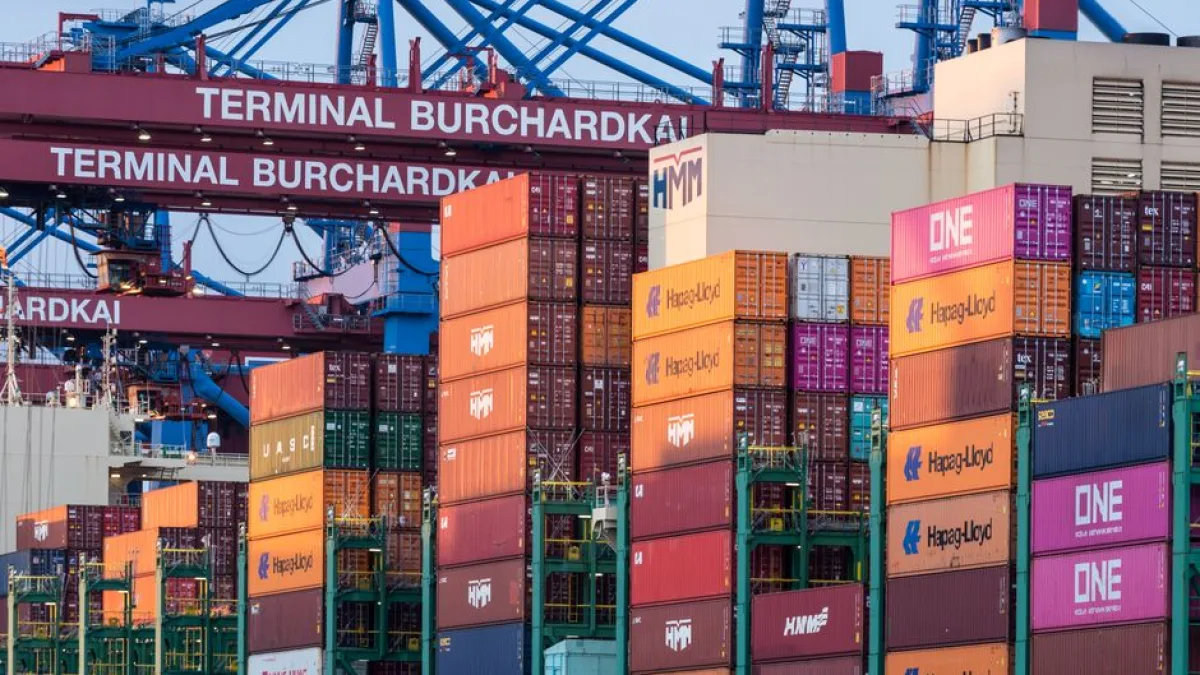
Providing immediate visibility is no longer an optional service but a standard expectation in logistics. Shippers require granular data regarding the precise location and status of their goods, forcing forwarders to integrate tracking technology that delivers updates directly to clients.
- Instant Tracking Updates: Customers receive automated alerts regarding shipment status changes which reduces the need for manual status inquiries and improves overall client satisfaction during the shipping cycle.
- Proactive Issue Resolution: Visibility tools allow teams to identify potential delays or bottlenecks early, enabling staff to intervene before small problems escalate into major supply chain disruptions.
- Data Driven Insights: Accessing granular tracking data helps businesses identify recurring route issues or carrier performance trends that can be optimized to improve future shipping costs and efficiency.
- Client Portal Access: Providing customers with a branded portal where they can monitor their own cargo status reduces the administrative burden on your internal customer service teams.
Transparency has become the primary metric by which shippers measure the quality of a forwarder. By providing comprehensive tracking through intuitive portals, businesses build trust and long term loyalty with their clients. Forwarders who prioritize visibility are better positioned to win new contracts, as they demonstrate a clear commitment to keeping their partners informed and empowered throughout the entire complex international journey.
Optimizing Customs Compliance

Managing global customs regulations requires deep expertise and extreme attention to detail. Digital compliance modules help freight forwarders stay ahead of changing international laws, ensuring that shipments move across borders without costly penalties or lengthy delays at critical points of entry.
- Regulatory Update Tracking: Software platforms automatically monitor changing trade laws and import requirements to ensure that all documentation remains fully compliant with the latest international border standards.
- Automated Compliance Checks: Built-in validation rules flag potential document errors before submissions occur, which saves time and prevents heavy fines or shipment seizures by local customs authorities.
- Standardized Document Filing: Digitizing customs paperwork ensures consistency across every file, which simplifies the audit process and provides a clear trail for all international shipping activities performed.
- Integration With Authorities: Connecting directly to government portals through your software allows for faster document submission and instant confirmation when import duties or fees are successfully paid.
Compliance management is the backbone of reliable freight forwarding services. When businesses use digital tools to enforce strict adherence to customs regulations, they protect their reputation and their clients from unnecessary risk. Investing in compliance software allows professional teams to navigate the most complex global trade environments with absolute confidence, ensuring that every shipment clears customs quickly without any unexpected hurdles or costs.
Enhancing Financial Efficiency

Financial accuracy is essential for maintaining healthy margins in the competitive freight sector. By digitizing invoicing and payment reconciliation, companies gain a clearer picture of their profitability per shipment and can make informed decisions based on accurate, real-time financial reporting data.
- Automated Invoice Creation: Generate accurate freight invoices instantly from shipment data to reduce billing cycles and ensure that your company gets paid faster by your international shipping clients.
- Profitability Analysis Tools: Real-time dashboards allow managers to track margins on every shipment, which helps in identifying which lanes or services are most profitable for the firm.
- Streamlined Expense Tracking: Centralizing vendor invoices and carrier payments makes it easy to monitor costs and prevents double billing or forgotten expenses that can erode net profits.
- Currency Management Integration: Managing multi-currency transactions becomes simple with automated conversion tools that ensure all financial reporting remains accurate even when dealing with global shipping partners today.
Financial clarity provides the competitive edge needed to thrive during difficult economic periods. By replacing manual accounting with integrated digital financial tools, freight forwarders can optimize their cash flow and reduce overhead expenses significantly. These systems provide the analytical depth required to pivot operations toward higher margin services, ensuring that the business remains agile and profitable in a fast-paced global logistics market.
Conclusion

Digital transformation is the definitive path forward for freight forwarding professionals looking to scale their businesses. By embracing cloud-based automation, real-time visibility, automated compliance, and streamlined financial management, your team can deliver superior service while improving internal efficiency. The future of logistics belongs to those who leverage these technologies to eliminate manual friction, foster client trust, and drive consistent, long-term operational success for every client.