Navigating the Future: Digital Transformation in Freight Forwarding
Wednesday, September 23 2026
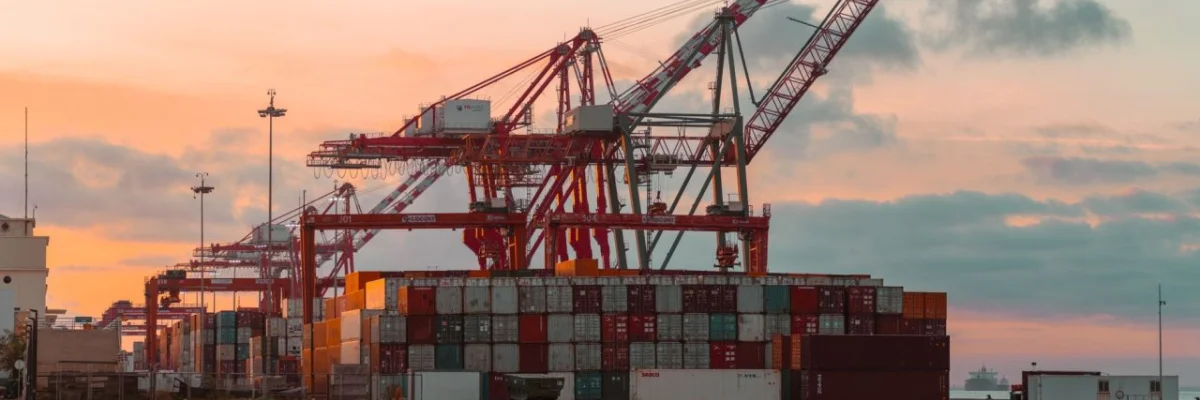
The global logistics landscape is undergoing a profound metamorphosis as freight forwarders grapple with increasing complexity and rising client expectations for transparency. Moving away from manual, paper-based processes is no longer a luxury but a fundamental necessity for survival in a highly competitive marketplace. Forward-thinking companies are embracing cloud-based platforms to orchestrate end-to-end supply chain visibility, optimize routing, and reduce operational costs. By leveraging advanced data analytics and automation, professionals in the logistics sector can now navigate volatility with unprecedented precision. This transition marks the beginning of a smarter, more resilient era for international shipping and global trade operations worldwide.
The Power of Automation

Warehouse automation stands as a cornerstone of modern logistics efficiency, drastically reducing the time required for manual data entry and repetitive administrative tasks. By integrating intelligent software systems, forwarders can minimize human errors while significantly accelerating the speed of documentation processing.
- Reduced manual error: Intelligent automation tools eliminate redundant data entry tasks, ensuring that shipment documentation remains accurate and compliant across every stage of the complex global distribution network.
- Faster document processing: Digital platforms allow for near-instant creation of bills of lading and invoices, saving precious hours that were previously lost to manual verification and administrative bottlenecks.
- Enhanced operational speed: Automating routine communications between carriers and clients reduces friction, enabling forwarders to handle a higher volume of shipments without increasing their overall headcount or costs.
- Optimized resource allocation: With automated systems managing standard workflows, staff can focus their energy on high-value tasks such as strategic problem solving and long-term client relationship development.
Adopting automated workflows empowers freight forwarders to do more with less while maintaining the highest service quality. By removing the drudgery of paperwork, these systems allow teams to pivot their attention toward proactive logistics management. This shift not only improves internal efficiency but also drives higher satisfaction among clients who demand rapid updates. Embracing technology today ensures that your logistics firm remains competitive and highly responsive.
Real-time Supply Chain Visibility
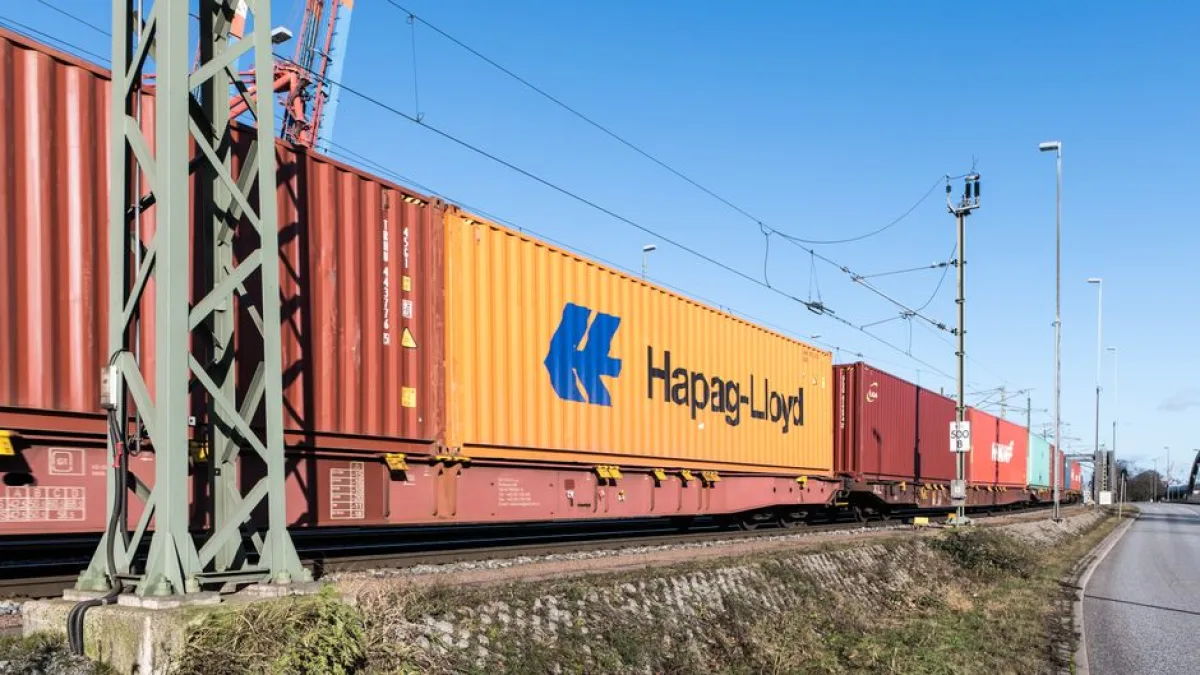
Real-time visibility tools provide a transparent window into shipment locations, allowing forwarders to anticipate delays before they impact delivery timelines. This level of clarity is critical for maintaining client trust and managing expectations in today's fast-paced shipping environment.
- Proactive shipment tracking: Advanced GPS and IoT integration provide granular updates on cargo status, allowing managers to anticipate disruptions and proactively inform stakeholders about their delivery status.
- Improved carrier performance: Monitoring carrier data in real time allows firms to hold partners accountable, ensuring that service level agreements are consistently met across every global route.
- Reduced cargo delays: Early warnings derived from real-time data enable swift rerouting decisions, effectively preventing costly bottlenecks before they spiral into major supply chain disruptions for clients.
- Enhanced client communication: Giving customers direct access to status updates reduces the volume of status inquiries, thereby freeing up support teams to address more complex service needs.
Visibility is the primary currency of the modern logistics industry, as clients demand immediate data regarding their assets in transit. When forwarders provide comprehensive, real-time insights, they transform their role from simple cargo movers into indispensable strategic partners. Investing in robust tracking infrastructure enables firms to navigate unpredictable global conditions with confidence, ensuring that transparency remains a core part of their service value proposition.
Cloud-based Collaborative Platforms

Cloud infrastructure provides a centralized hub where dispersed teams can collaborate seamlessly on logistics projects, regardless of their physical location. This connectivity fosters a culture of agility that is essential for managing international shipments across multiple time zones.
- Centralized data access: Hosting information in the cloud ensures that all team members work from a single source of truth, eliminating confusion caused by outdated files or spreadsheets.
- Seamless team collaboration: Cloud-based tools facilitate instant file sharing and communication, helping departments coordinate their activities effectively while ensuring that no critical details slip through the cracks.
- Scalable software solutions: Cloud platforms grow alongside your business, allowing you to add new users and features without the need for expensive hardware or significant technical investments.
- Enhanced data security: Professional cloud environments provide superior encryption and backup protocols, safeguarding sensitive shipment information from cyber threats while ensuring constant access for authorized company personnel.
Migrating to cloud environments is a strategic move that enables freight forwarders to break down internal silos and operate as a cohesive unit. This digital synergy ensures that every team member is aligned on project goals and shipment requirements. As the industry evolves, those who utilize these collaborative technologies will find themselves better equipped to handle international complexity and maintain a superior competitive advantage.
Data-Driven Strategic Decision Making

Data analytics transform raw shipping numbers into actionable intelligence, revealing hidden patterns that can optimize long-term operational performance. By analyzing past shipment trends, forwarders can make informed decisions that improve profitability and mitigate common logistical risks effectively.
- Performance metric analysis: Detailed reporting on lane profitability and carrier reliability provides the necessary insights to refine your business model and focus on the most lucrative trade routes.
- Predictive market forecasting: Advanced algorithms analyze global trade patterns to help you anticipate market shifts, allowing for better capacity planning and smarter pricing strategies for future shipments.
- Cost reduction strategies: Examining historical expense data reveals opportunities to optimize spending, helping companies cut unnecessary costs and enhance their overall profit margins across the board.
- Risk management optimization: Understanding common failure points allows forwarders to implement robust contingency plans, ensuring that cargo remains safe and schedules remain consistent throughout the year.
Harnessing the power of data allows forwarders to move beyond reactive habits and embrace a culture of intentional strategy. These insights provide a roadmap for sustainable growth and long-term success in an unpredictable global market. By relying on concrete data rather than intuition, professionals can make confident choices that strengthen their firm. Start leveraging your data analytics capabilities to build a smarter future.
Conclusion

Modernizing freight forwarding is a necessary journey in the digital age. By adopting automation, visibility tools, cloud collaboration, and data analytics, your firm can achieve new heights of efficiency. The technology exists to simplify the most complex shipping challenges today. Take the first step toward transforming your logistics operations by integrating these digital solutions, ensuring your business stays ahead of the industry curve.