Navigating the Future: Digital Transformation in Freight Forwarding
Thursday, September 24 2026
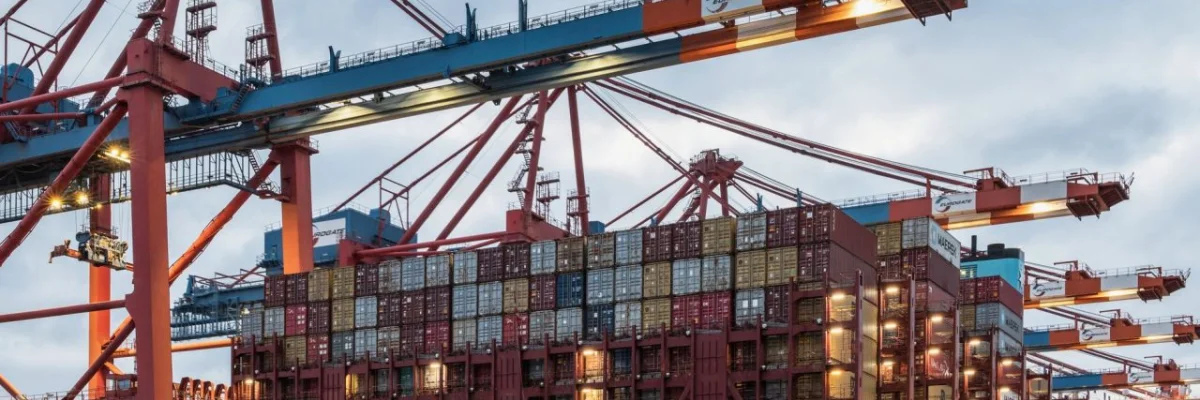
The global logistics landscape is undergoing a profound metamorphosis driven by rapid technological advancements and shifting trade patterns. For freight forwarding professionals, the ability to adapt to these changes is no longer optional but a survival imperative. As manual processes become increasingly obsolete, industry leaders are turning toward integrated cloud platforms to enhance operational transparency and supply chain agility. This shift demands a sophisticated understanding of digital tools, data analytics, and real-time visibility. By embracing modernization today, forwarders can position themselves as indispensable partners in an interconnected global economy while simultaneously improving their profit margins and overall service reliability.
Automated Operations Efficiency
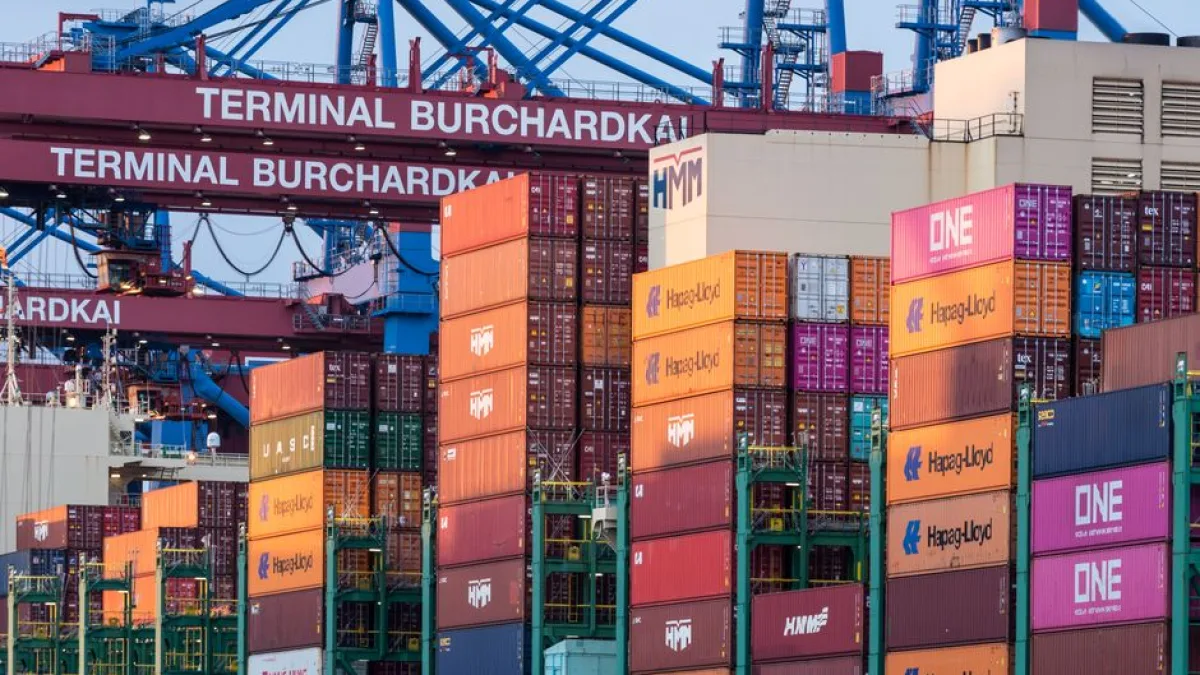
Automated systems have fundamentally altered how logistics firms manage complex workflows and documentation. By reducing manual data entry, teams can focus on strategic tasks that drive growth while minimizing the potential for human error in critical shipping declarations and manifests.
- Reduced administrative burden: Automation software eliminates repetitive tasks like invoice reconciliation, allowing your team to reclaim hundreds of hours each month for high-value client relationship management and strategic planning activities.
- Optimized data accuracy: Integrated digital platforms ensure that information flows seamlessly between systems, drastically lowering the risk of incorrect bill of lading details that cause expensive cargo delays.
- Faster document processing: Automated document generation tools help your staff produce essential shipping papers in minutes rather than hours, ensuring that vessel departures are never missed due to paperwork.
- Scalable business workflows: Modern freight software allows companies to scale operations without increasing headcount, providing a flexible framework that supports growth during seasonal peaks and unexpected market fluctuations.
Transitioning to automated operations represents a significant leap forward for any forwarding business. By removing the friction inherent in traditional paper-based methods, your team can achieve a new level of professional consistency. This newfound speed not only improves internal productivity but also enhances the overall customer experience by providing faster responses and more reliable tracking updates throughout the entire lifecycle of each shipment.
Real-Time Supply Chain Visibility
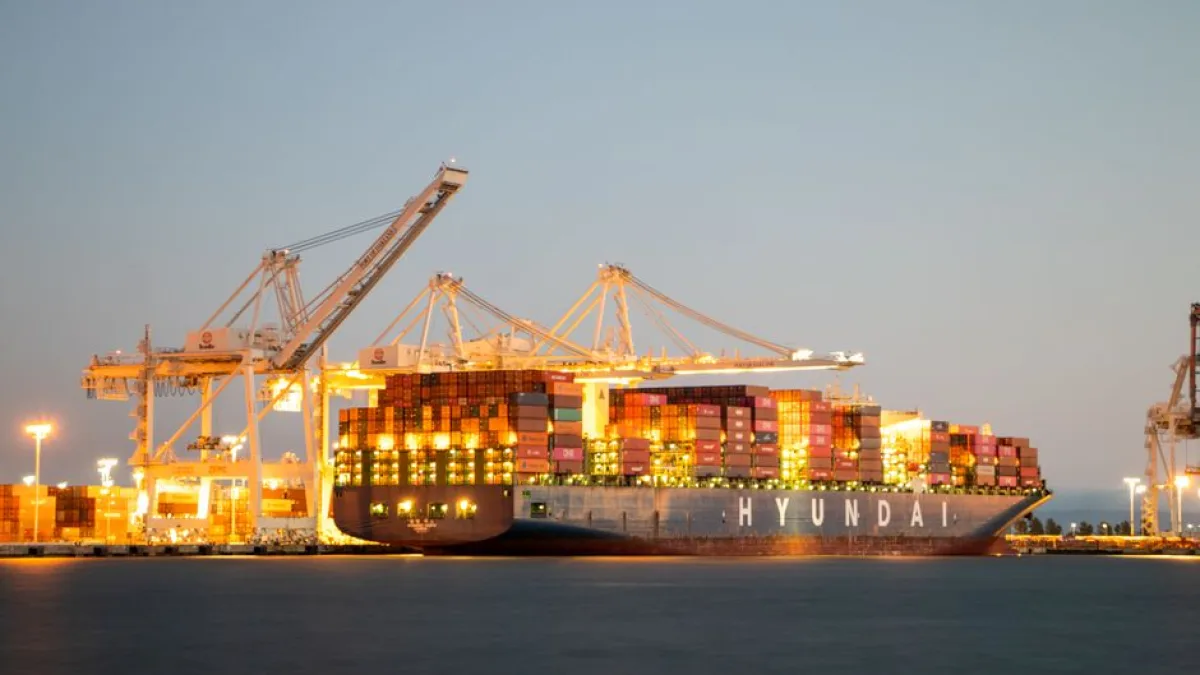
Modern clients demand instant updates regarding their cargo status at every touchpoint. Achieving this level of transparency requires robust connectivity with carriers, ports, and ground transport providers to ensure that no critical milestone goes unmonitored or reported without delay.
- Enhanced cargo tracking: Real-time visibility tools pull data directly from shipping lines and port authorities to give your clients precise location updates for their sensitive freight assets.
- Proactive exception management: Advanced analytics software alerts your team to potential disruptions before they occur, enabling you to suggest alternative routes and minimize the impact on customer timelines.
- Unified communication channels: Centralized digital dashboards act as a single source of truth, preventing communication silos and ensuring that every stakeholder views the same shipment status updates.
- Improved partner coordination: Digital integration with external agents and carriers fosters better collaboration, ensuring that handoffs are smooth and documentation is verified well before arrival at terminals.
Providing exceptional visibility is the hallmark of a high-performing freight forwarder in the digital age. When customers know exactly where their goods are, trust is established and long-term loyalty is cultivated. Utilizing a centralized platform ensures that your team remains one step ahead, transforming transparency from a simple feature into a competitive advantage that sets your firm apart from traditional legacy providers.
Data-Driven Decision Making
Harnessing the power of historical shipping data allows firms to identify trends and optimize costs effectively. Making decisions based on accurate analytics rather than intuition empowers management to allocate resources where they create the most value for the company.
- Strategic cost analysis: Detailed reporting tools allow you to compare carrier rates and performance metrics, helping you select the most economical shipping lanes for your specific needs.
- Performance benchmarking tools: Measure your team output against industry standards to identify areas for improvement and reward high-performing departments with evidence-based data points and metrics.
- Predictive market trends: Historical data analysis enables managers to anticipate seasonal spikes in demand and capacity shortages, allowing for better negotiation of space and competitive freight rates.
- Client profitability insights: Identify which accounts provide the best margins for your business, allowing you to focus your sales efforts on high-value customers that drive revenue growth.
Data is the most valuable asset in modern logistics, yet it remains underutilized by many traditional forwarding firms. By implementing software that captures and interprets operational data, you transform your company into an intelligent organization. Moving forward, the businesses that succeed will be those that effectively translate numbers into actionable strategies, ensuring that every shipment contributes positively to the bottom line and overall growth.
Securing Future Digital Growth

Cybersecurity and digital resilience are essential components of a modern freight forwarding strategy. Protecting client data while ensuring consistent uptime requires a cloud-based infrastructure that is both scalable and hardened against evolving threats in the global digital landscape.
- Enhanced cyber security: Cloud-based platforms offer advanced encryption and multi-factor authentication, ensuring that sensitive customer shipping information remains protected from malicious actors and unauthorized external access attempts.
- Reliable data backups: Automated cloud storage solutions protect your critical business information against hardware failures or local outages, ensuring that your company maintains continuous operations at all times.
- Seamless software updates: Modern platforms push automatic updates to your system, ensuring that your tools are always equipped with the latest features and compliance standards without disruption.
- Remote work capabilities: Secure cloud access allows your staff to manage shipments from any location, promoting operational continuity even when office environments are inaccessible or during travel.
Building a secure foundation is the final step in ensuring your freight forwarding business remains relevant and protected. As digital integration becomes the standard across global supply chains, your investment in high-quality software will act as a buffer against market uncertainty. Stay ahead by prioritizing infrastructure that is built for longevity and security, allowing your team to focus on core operations with confidence.
Conclusion

Modernizing your freight forwarding operations is essential for success in an increasingly complex industry. By adopting cloud-based software, you gain the efficiency, visibility, and data insights required to thrive. Evaluate your current systems today to see where digital improvements can reduce overhead and boost customer satisfaction. Partnering with a reliable platform like MakeCargo helps you navigate these changes and secure a profitable future.