Navigating the Future: Key Trends Shaping Freight Forwarding in 2025
Saturday, October 17 2026
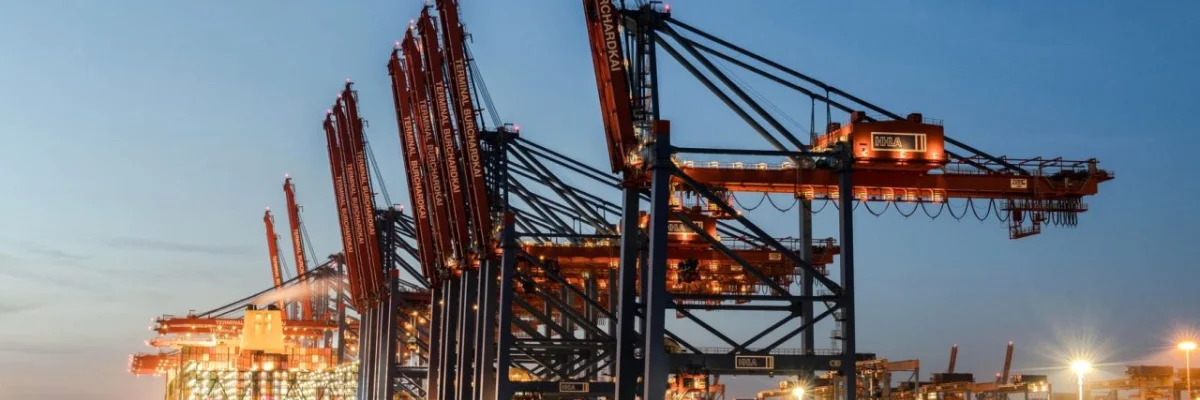
The global logistics landscape is undergoing a profound transformation driven by rapid technological integration and evolving consumer expectations. Freight forwarders are currently navigating a complex environment characterized by supply chain volatility and a push for greater transparency across all transit modes. As companies strive to maintain competitive advantages, the adoption of cloud-based platforms has moved from a luxury to a fundamental operational necessity. This article explores the critical shifts redefining the industry, providing actionable insights for professionals aiming to streamline their workflows, enhance data accuracy, and foster stronger collaborative relationships with partners across the entire international shipping network today.
Digital Transformation Strategies

Modern freight firms are increasingly shifting away from manual processes to integrated digital solutions that centralize documentation. By prioritizing data connectivity, forwarders can eliminate siloed workflows and ensure that every stakeholder involved in the transport process receives real-time updates regarding cargo status.
- Automated documentation workflows: Implementing smart software allows for the automated generation of bills of lading and invoices, which significantly reduces human error and speeds up the entire customs clearance cycle.
- Cloud based integration: Utilizing centralized cloud platforms enables team members to access critical shipping data from any global location, ensuring seamless coordination across different time zones and offices.
- Data driven decisioning: Advanced analytical tools help forwarders interpret large datasets to identify bottlenecks in the supply chain, allowing for proactive adjustments before major delays impact client cargo.
- Enhanced operational visibility: Real time tracking features provide stakeholders with immediate updates on shipment progress, improving customer trust and reducing the volume of manual status inquiries received daily.
Adopting these digital strategies is no longer optional for firms seeking long-term growth. As the industry becomes more technical, companies that invest in scalable software will likely outperform those clinging to legacy spreadsheet management. By streamlining internal communication and prioritizing accurate data flow, freight forwarders can position themselves as reliable partners who offer transparency and efficiency in an increasingly unpredictable global market environment.
Sustainable Logistics Practices
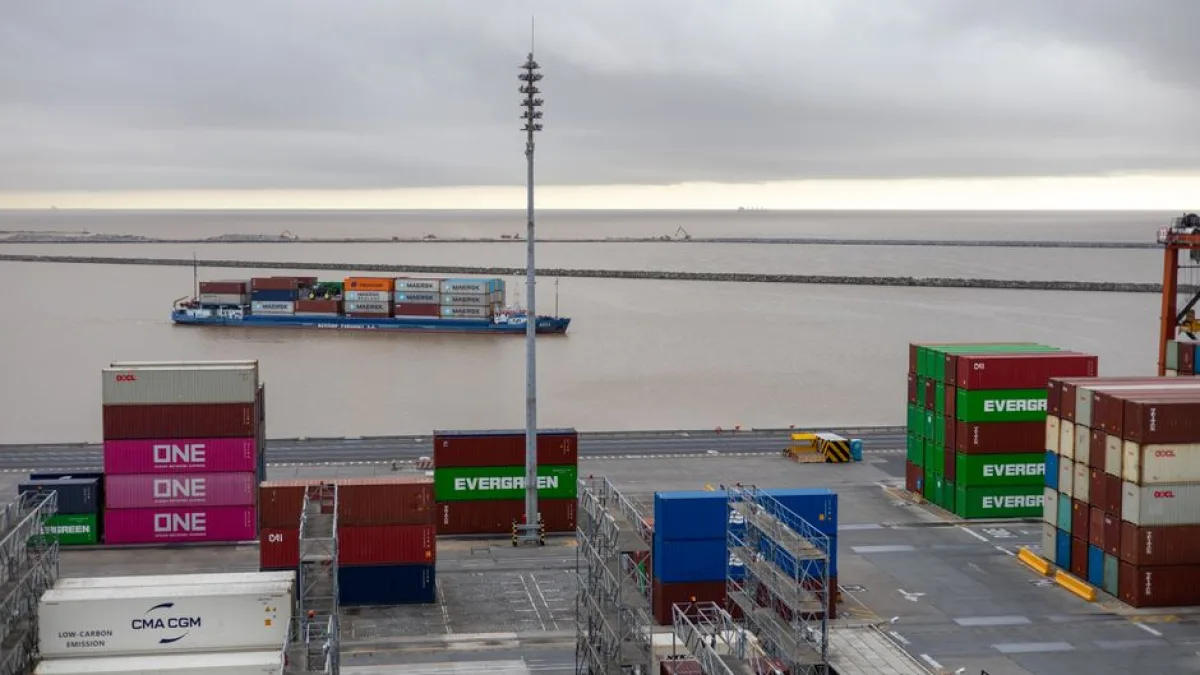
Environmental responsibility is becoming a core requirement for international freight operations as regulatory bodies impose stricter carbon emission standards. Forwarders are now integrating sustainability metrics into their service offerings to help clients track and reduce their carbon footprint effectively.
- Green routing optimization: Intelligent algorithms calculate the most fuel efficient paths for sea and air transport, directly lowering the overall carbon output per shipment for every client served.
- Carbon reporting tools: Modern platforms now feature built-in modules that calculate emissions data automatically, providing clear and verifiable reports that clients need for their own sustainability goals.
- Intermodal shift strategies: Strategic use of rail and short sea shipping instead of traditional long haul road transport helps companies minimize their environmental impact while maintaining necessary schedules.
- Sustainable partner selection: Logistics professionals are increasingly vetting their carrier networks based on environmental performance metrics to ensure that their entire supply chain aligns with global standards.
Integrating sustainability into freight operations offers a distinct competitive advantage for forwarders today. Clients are now demanding transparency regarding their ecological impact, and those firms that provide actionable environmental data will build stronger, long-term partnerships. By focusing on carbon efficiency and sustainable route planning, forwarders can successfully meet modern environmental regulations while simultaneously driving down operational costs across their global shipping networks.
Strengthening Supply Chain Resilience
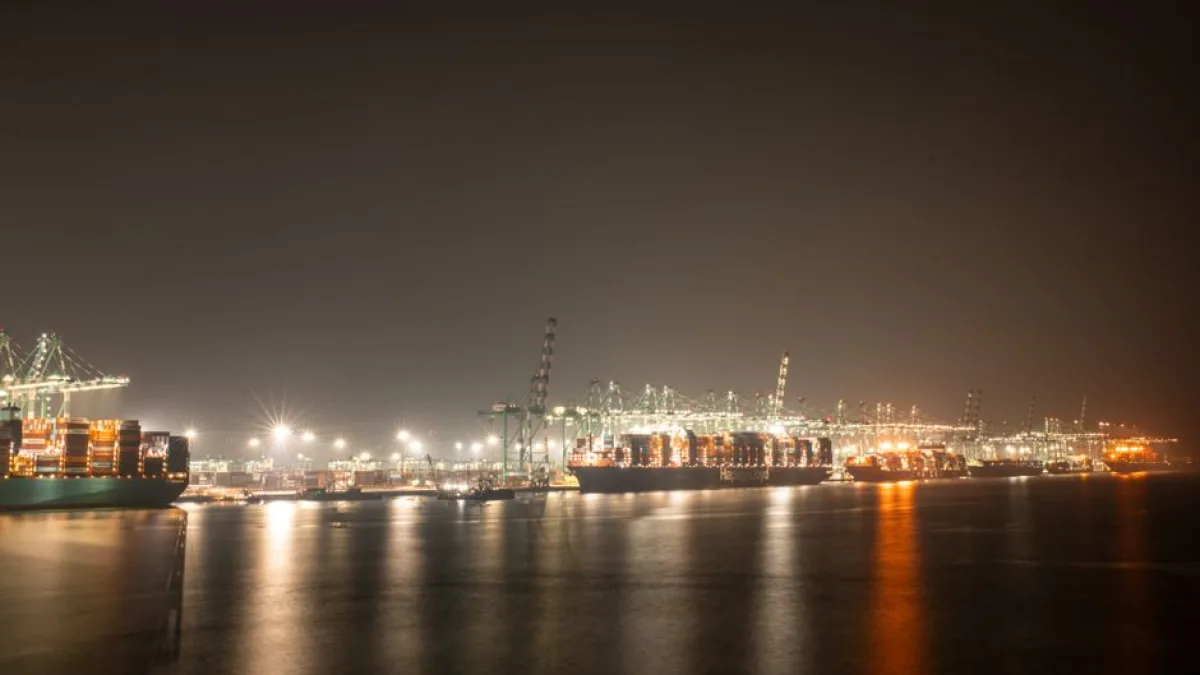
Supply chain disruptions require a shift from purely cost-based models to resilience-focused strategies. Forwarders are expanding their carrier networks and diversifying transportation options to ensure that cargo moves reliably despite unforeseen global challenges or sudden infrastructure capacity constraints.
- Diverse carrier networks: Maintaining relationships with multiple shipping lines and airlines allows forwarders to secure space during peak seasons, preventing cargo rollovers and expensive shipping delays for customers.
- Contingency planning protocols: Forwarders now develop structured risk management plans that outline alternative routing options, ensuring that business continuity is maintained even when primary supply chain routes fail.
- Enhanced inventory monitoring: Advanced software tools allow forwarders to keep a close watch on inventory levels, providing insights that help clients manage stock flows more effectively.
- Proactive risk assessment: Utilizing predictive analytics enables professionals to anticipate potential disruptions before they occur, allowing them to reroute shipments and avoid major operational bottlenecks entirely.
Building a resilient logistics operation is vital for navigating the volatility inherent in modern global trade. By prioritizing flexibility and proactive management, forwarders can protect their clients from the fallout of unexpected events while maintaining high levels of service reliability. This shift toward resilience not only secures the supply chain but also reinforces the value that freight forwarders bring to their global clients.
Leveraging Advanced Automation Tools

Automation is the cornerstone of modern freight management, specifically regarding high-volume tasks that consume valuable time. By delegating repetitive administrative duties to intelligent systems, forwarders can refocus their workforce on high-value client relationship management and strategic business development efforts instead.
- Automated rate management: Modern software automatically updates and compares carrier rates, ensuring that forwarders always select the most cost-effective shipping options for their clients without manual research.
- Smart document scanning: Optical character recognition technology extracts vital information from shipping documents, saving staff hours of manual data entry while simultaneously reducing the risk of typos.
- Automated billing cycles: Integrated financial modules streamline the invoicing process, ensuring faster payments and improving cash flow management for the forwarder and their international shipping partners today.
- Customer portal functionality: Providing self service portals for clients allows them to view shipments and download documents independently, significantly reducing the administrative burden on customer service teams.
The transition toward high-level automation is fundamental for the future viability of the freight forwarding sector. By removing the burden of manual tasks, firms can operate with a leaner team while maintaining high service quality and faster output. Embracing these advanced technological tools ensures that your company stays relevant and efficient, allowing for sustainable growth in an increasingly competitive global marketplace today.
Conclusion

The future of freight forwarding depends on the ability to integrate technology, sustainability, and resilience into one cohesive operational model. By embracing these essential trends, professionals can elevate their services and provide superior value to clients worldwide. Now is the time to audit current workflows and implement the digital tools necessary to remain competitive. Start optimizing your logistics operations with MakeCargo today for better results.