Navigating the Future of Digital Freight Forwarding
Sunday, July 26 2026
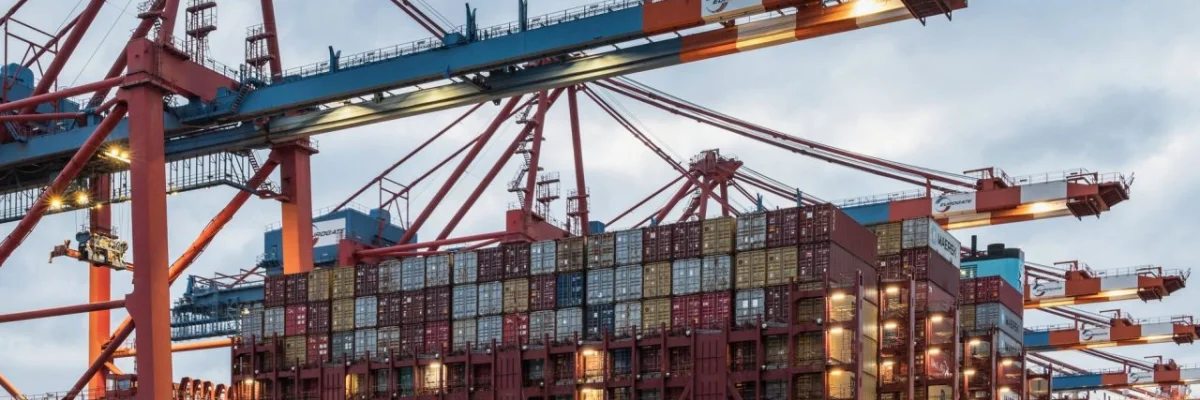
The global logistics landscape is undergoing a massive transformation driven by rapid technological integration and shifting trade dynamics. As freight forwarders face increasing pressure to deliver faster results with greater transparency, the reliance on manual processes is becoming a significant competitive disadvantage. Cloud-based platforms are now essential tools that bridge the gap between complex supply chain demands and the need for operational agility. By embracing automation and data-driven insights, logistics professionals can enhance their service capabilities while effectively managing the volatility of international shipping, ultimately ensuring that goods move efficiently across borders in an increasingly interconnected and demanding global marketplace.
Modernizing Port Operations

Modern port operations are shifting toward full digital integration to handle record volumes of cargo. By utilizing advanced software solutions, logistics hubs can now track containers in real time, drastically reducing idle times and speeding up the overall turnaround for heavy vessels.
- Automated Gate Processing: Intelligent systems now manage truck entries automatically to reduce wait times and prevent congestion while ensuring accurate data logging for every container movement within the busy yard.
- Real Time Tracking: Integrated sensors provide instant visibility into container locations which helps freight forwarders update their clients immediately and avoid any unnecessary manual status inquiries or communication delays.
- Optimized Stacking Algorithms: Smart software calculates the best placement for cargo to minimize crane movements and improve physical efficiency during the loading and unloading process for both export and import.
- Data Integration Hubs: Centralized digital platforms connect various stakeholders including truckers and customs brokers to ensure that information flows seamlessly without the typical friction found in legacy logistics communication.
The transition toward digital port management signifies a permanent move away from paper-based operations toward a more transparent future. Freight forwarders who adopt these tools will find themselves ahead of the curve as their ability to provide instant updates becomes a standard requirement for customers. Investment in these systems is no longer optional for firms that aim to thrive in competitive global markets.
The Rise of Automated Documentation

Documentation remains the most critical bottleneck in international shipping. Automation tools now allow for the electronic generation and verification of bills of lading and commercial invoices, ensuring that compliance standards are met without the need for error-prone manual data entry.
- Error Reduction Tools: Sophisticated algorithms scan documents for inconsistencies automatically to ensure that every detail matches the shipping manifest and avoids costly customs delays at the destination port of entry.
- Cloud Based Storage: Secure digital vaults keep all shipping documents organized and accessible from anywhere, removing the need for physical filing cabinets while improving the speed of audit processes.
- Electronic Signatures: Legal compliance is now easier than ever with integrated e-signature features that allow forwarders to finalize contracts with international partners in seconds rather than waiting days for mail.
- Instant Customs Compliance: Automated systems map data directly to government portals to ensure that all required regulatory declarations are submitted correctly and on time to prevent unexpected cargo holds.
Streamlining the documentation process is about more than just speed, as it focuses on accuracy and risk mitigation. By moving away from manual input, forwarding businesses reduce the likelihood of human error and improve their relationships with regulatory agencies. This shift empowers teams to focus on high-level strategic tasks rather than getting lost in the repetitive nature of processing paperwork daily.
Enhancing Client Transparency
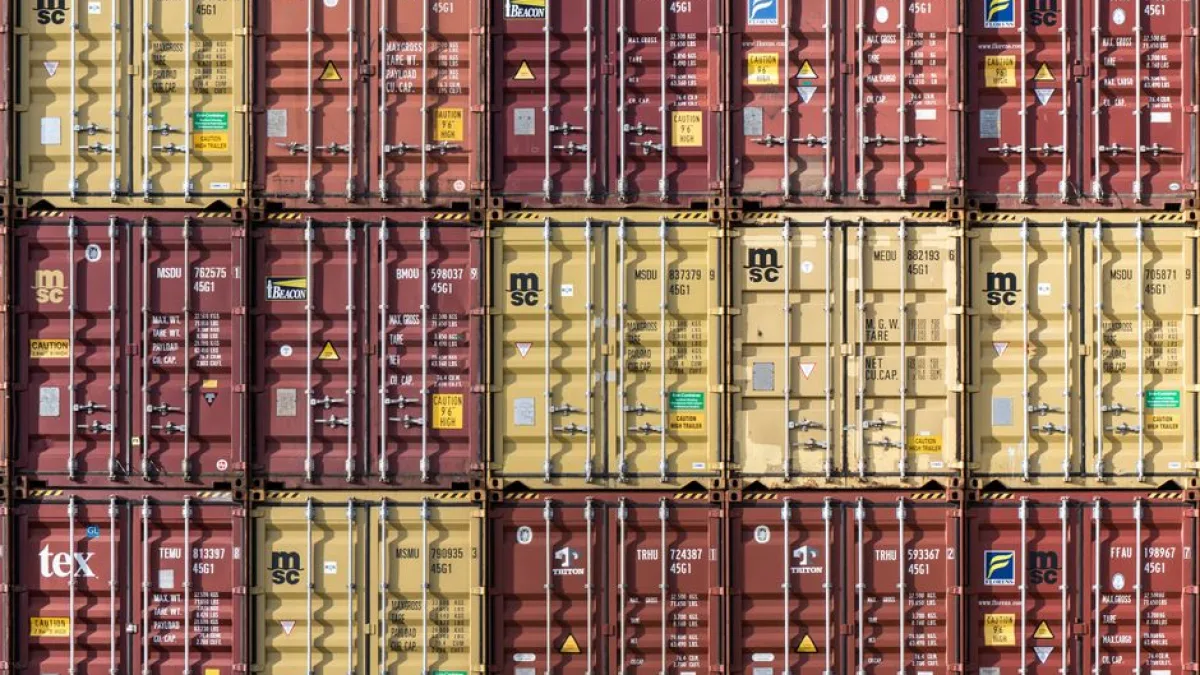
Modern customers demand complete visibility into their supply chain from start to finish. Offering a client portal that provides live tracking and status updates is now the gold standard for forwarders looking to maintain long-term client retention and satisfaction.
- Customer Tracking Portals: Dedicated web portals allow clients to view their shipment status independently at any time, reducing the need for constant phone calls and emails to support staff members.
- Automated Notification Triggers: Proactive updates sent via email or SMS inform customers exactly when a cargo milestone is reached so that they can plan their local operations with absolute precision.
- Dashboard Analytics Views: Personalized dashboards provide clear visual data on shipping performance and spend, helping clients identify trends and optimize their own supply chain strategies throughout the entire year.
- Collaborative Communication Tools: Built-in messaging features keep all conversations related to a specific shipment in one place, ensuring that history is preserved and nothing is lost in internal email threads.
Transparency builds trust, and trust is the bedrock of every successful partnership in the freight forwarding industry. By offering clients a clear window into their cargo journey, forwarders can position themselves as partners rather than just service providers. This level of service differentiates a business in a crowded market and builds a reputation for reliability that attracts more high-value shipping clients.
Predictive Analytics for Logistics

The application of predictive analytics is changing how freight forwarders handle capacity planning and route optimization. By analyzing historical data and external variables, firms can now forecast shipping trends and prepare for seasonal surges before they actually happen in the real market.
- Demand Forecasting Models: Historical data analysis allows forwarders to anticipate seasonal capacity needs and secure space in advance, which helps avoid the high costs associated with last-minute market spot rates.
- Route Optimization Engines: AI-driven software evaluates multiple shipping paths to recommend the most cost-effective and reliable routes while considering real time weather and geopolitical factors impacting the transit route.
- Market Trend Analysis: Business intelligence tools process massive datasets to show forwarders where the market is headed, allowing for smarter pricing strategies and better financial decision-making for long-term growth.
- Resource Allocation Planning: Smart systems track staff productivity and equipment usage to ensure that human and physical resources are deployed in the areas where they can provide maximum value daily.
Predictive analytics gives logistics professionals a significant edge in planning and execution. By utilizing these powerful tools, companies can transform their approach from reactive to proactive, ensuring that they stay ahead of market shifts. Embracing this level of data sophistication is essential for maintaining growth and efficiency as the industry becomes increasingly complex and dependent on actionable intelligence for survival.
Conclusion

Digital transformation is the most important step for freight forwarders aiming to succeed in today's fast-paced environment. By automating document management, increasing transparency for customers, and using predictive analytics, businesses can scale effectively and overcome operational hurdles. MakeCargo provides the tools necessary to lead this change, ensuring that your firm remains efficient, competitive, and ready for the future of global logistics.