Navigating the Future of Digital Freight Forwarding
Wednesday, August 5 2026

The global logistics landscape is undergoing a massive transformation driven by rapid technological adoption and changing market demands. For modern freight forwarders, the pressure to maintain operational efficiency while managing complex supply chain disruptions has never been higher. Transitioning from legacy manual processes to cloud-based solutions is no longer a luxury but a fundamental necessity for survival. As we examine the latest industry shifts, it becomes clear that software integration and real-time data visibility are the primary drivers of success in a highly competitive market where speed and accuracy define long-term customer loyalty and sustainable growth.
Modernizing Supply Chain Visibility
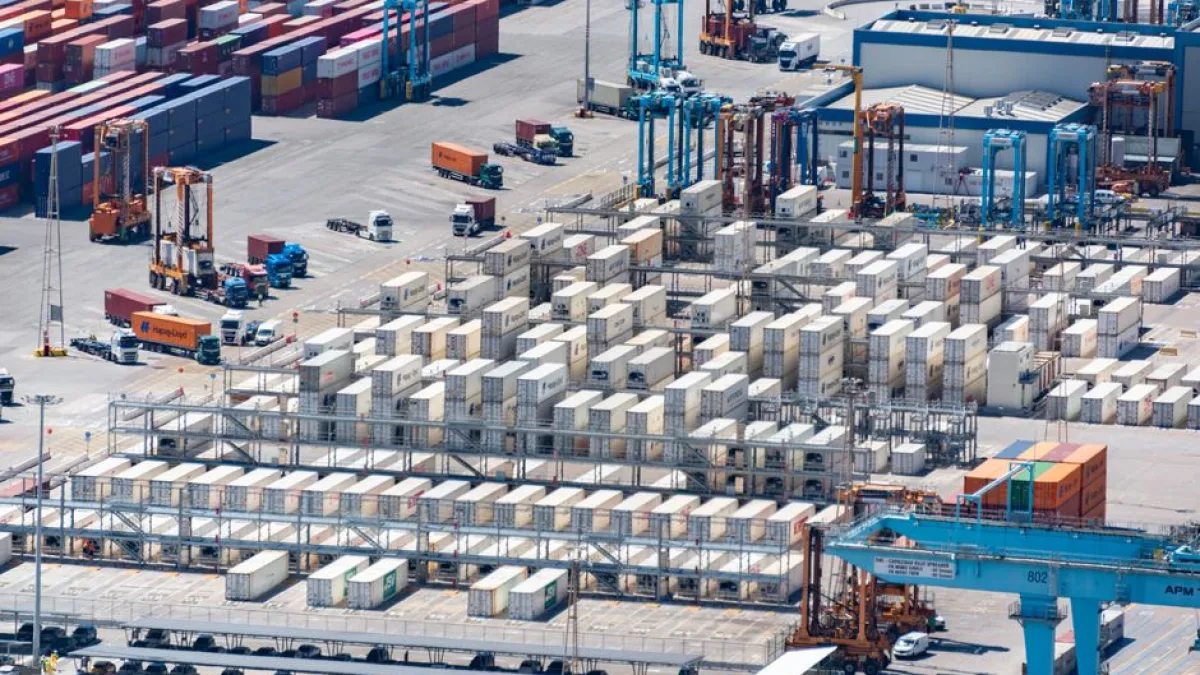
Real-time tracking capabilities are currently revolutionizing how freight forwarders interact with their global shipping partners and end clients. By leveraging automated data flows, businesses can monitor cargo movements with unprecedented precision across every stage of the transit process.
- Enhanced tracking precision: Advanced digital platforms allow companies to provide accurate status updates to clients, reducing manual inquiry volumes and improving the overall transparency of international shipping operations for everyone involved.
- Automated status notifications: Smart software systems trigger instant alerts when shipments reach specific milestones, ensuring that your team stays informed about potential bottlenecks before they escalate into serious problems.
- Data driven decisioning: Access to historical transit data helps logistics managers optimize shipping routes, allowing for better negotiation with carriers based on actual performance metrics rather than simple estimations.
- Improved client satisfaction: Providing customers with a branded tracking portal builds trust and reinforces your brand value as a professional partner in their complex global supply chain strategy.
The ability to see every single container in real-time is shifting the industry standard. Forwarders who adopt these tools can proactively manage expectations while reducing the time spent on administrative tasks. Embracing this level of visibility transforms your service from a basic commodity into a high-value asset, ultimately fostering stronger relationships with your shipping clients and creating a significant competitive advantage over traditional competitors.
Leveraging Cloud-Based Software Infrastructure

Migrating legacy systems to cloud-based infrastructure offers freight forwarders the flexibility and scalability needed to manage fluctuating shipping volumes throughout the year. Remote access capabilities ensure that your team remains productive and connected regardless of their specific physical location.
- Seamless remote collaboration: Cloud platforms empower distributed teams to share documents and updates instantly, which eliminates silos and speeds up the processing of complex international shipping documentation requirements.
- Scalable operational capacity: You can easily adjust your system resources during peak shipping seasons, ensuring that your digital infrastructure supports rapid business growth without requiring heavy hardware investments.
- Enhanced cybersecurity protocols: Modern cloud providers offer superior data protection compared to on-premise servers, keeping sensitive customer information secure while meeting international privacy standards and compliance requirements for logistics.
- Streamlined document management: Centralizing your paperwork in a digital repository reduces physical clutter and ensures that your agents always have the latest version of shipping invoices and bills.
Moving your operations to the cloud is a strategic decision that fosters long-term agility. By eliminating reliance on physical office hardware, companies can redirect capital toward client growth initiatives. This transition provides a stable foundation for innovation, allowing forwarders to integrate new tools and automation features as they become available. The long-term efficiency gains translate directly into lower overhead costs and improved profit margins.
Automating Complex Documentation Flows

Paper-intensive manual workflows often lead to costly delays and human errors in the freight forwarding industry. Automating document creation and filing processes ensures that every entry remains accurate and compliant with rapidly changing international customs regulations for global shipments.
- Error reduction strategies: Automated data extraction from booking forms minimizes the risk of typos and common entry mistakes that cause significant customs clearance delays at major port entry points.
- Regulatory compliance checks: Integrated software tools automatically validate shipping documentation against local customs requirements, ensuring your shipments remain compliant and avoid unnecessary fines from local government agencies.
- Faster billing cycles: Automating invoice generation immediately following shipment confirmation speeds up payment cycles, improving your agency cash flow and reducing the time spent on manual accounting tasks.
- Smart document storage: Tagging and archiving important customs files in a digital system makes audits easier to perform while ensuring you meet record-keeping mandates for international transport.
Automating your document workflow is a critical step toward achieving true operational excellence. By removing the burden of manual data entry, your staff can focus on high-value tasks such as customer support and strategic route planning. This shift not only accelerates your throughput capacity but also significantly boosts the reliability of your shipping services, which is essential for maintaining long-term partnerships with global clients.
Building Resilience Through Analytics

Predictive analytics provide forwarders with the foresight needed to navigate volatile markets and unpredictable global shipping conditions. Understanding performance trends allows your team to pivot quickly and maintain service levels even during major international disruptions or sudden capacity shortages.
- Predictive market modeling: Analyzing past shipping performance helps forwarders anticipate seasonal demand spikes, allowing for better allocation of carrier space and more effective management of client shipping expectations.
- Resource utilization tracking: Monitoring how your team manages different shipping lanes reveals hidden inefficiencies, enabling managers to reorganize workflows to maximize the productivity of every single agent.
- Proactive disruption management: Analytics tools highlight potential risks in your network, giving you the lead time needed to reroute shipments and avoid major delays before they occur.
- Cost analysis optimization: Detailed reports on shipping expenditures allow forwarders to identify cost-saving opportunities, improving the overall profitability of every container move while keeping rates competitive for clients.
Data analytics act as the compass for modern freight forwarding businesses. By turning raw operational numbers into actionable insights, your company can make informed decisions that minimize risk and maximize revenue potential. Maintaining this analytical approach ensures your firm stays resilient in a changing industry, providing the agility to adapt to any challenge while maintaining the high standards expected by your global customers.
Conclusion
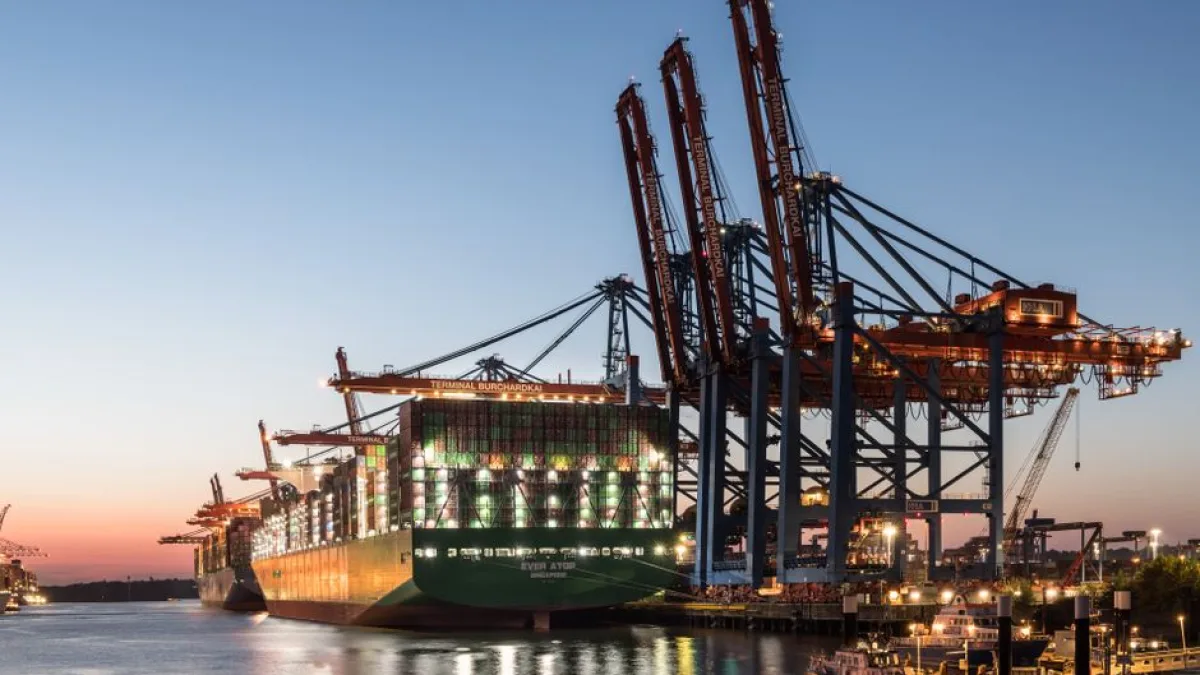
The future of freight forwarding depends entirely on the digital transformation of your existing operational workflows. By adopting cloud-based platforms, automating key documentation, and prioritizing data-driven visibility, forwarders can successfully navigate the complexities of international trade. Focus your efforts on integrating these modern solutions today to build a more resilient, profitable, and client-focused logistics business that thrives in the evolving global market environment.