Navigating the Future of Digital Freight Forwarding in 2024
Wednesday, August 12 2026

The global logistics landscape is undergoing a rapid transformation as digital integration becomes the standard for efficient operations. Freight forwarders are increasingly tasked with managing complex supply chains while maintaining transparency and speed for their clients. As cloud-based platforms like MakeCargo redefine how teams handle documentation and tracking, professionals must adapt to these technological shifts to remain competitive. This article explores the essential pillars of modern freight management, helping you stay ahead of industry demands and optimize your daily workflows for maximum profitability and improved client satisfaction in an ever-changing international market.
Optimizing Supply Chain Visibility
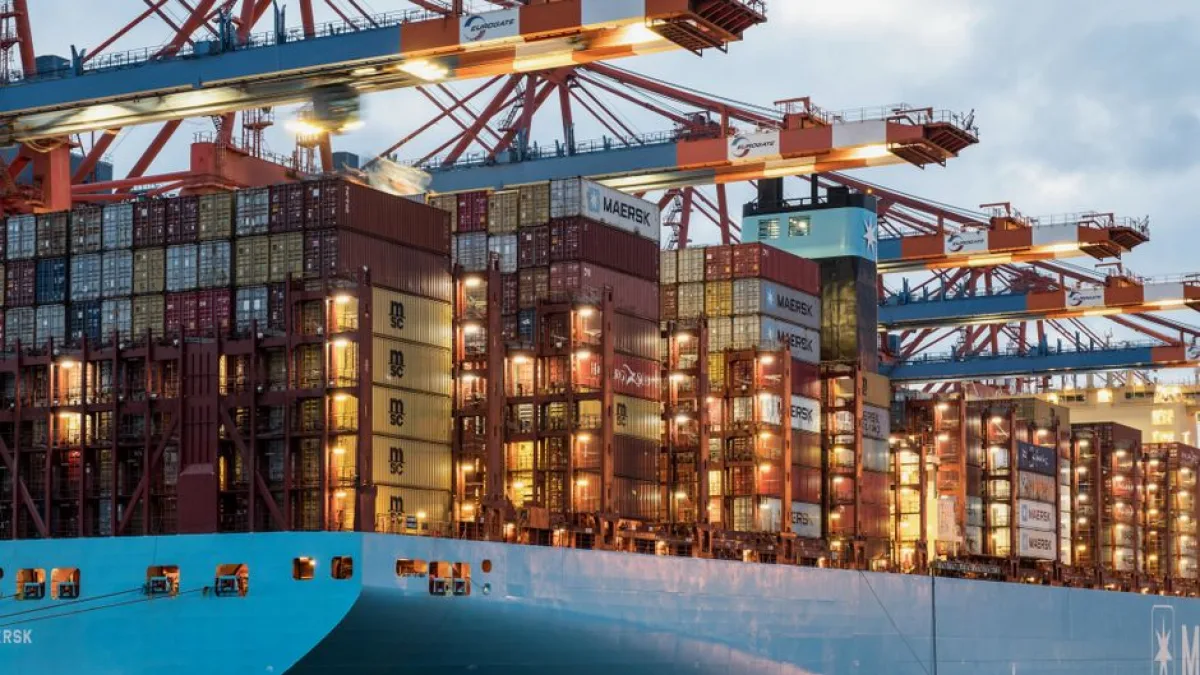
Real time tracking and data transparency have become the primary expectations for modern shippers who demand constant updates on their high value goods. Forwarders who leverage automated digital tools can provide accurate status reports while reducing the manual work required for status checks.
- Automated status updates: Implementing automated notification systems allows your team to keep clients informed without manual intervention, drastically reducing the time spent answering repetitive status requests from global partners.
- Data driven insights: Utilizing advanced analytics platforms helps you identify potential bottlenecks in the supply chain early, allowing for proactive adjustments before delays impact your delivery schedules significantly.
- Centralized document management: Storing all shipping documents in a secure cloud platform ensures that every team member has access to the latest information, preventing costly errors or miscommunications.
- Integration with carriers: Connecting your software directly with carrier APIs provides a seamless flow of information that keeps all stakeholders aligned throughout the entire shipping process from start.
By prioritizing visibility, logistics businesses create trust with their customers and improve operational reliability. When clients feel confident that their goods are being monitored accurately at every waypoint, they are more likely to return for future shipments. Modern software solutions make this high level of service attainable for forwarders of all sizes by removing the burden of manual oversight and data entry tasks.
Streamlining Documentation Workflows

The traditional reliance on paper documentation is fading as digital filing systems allow for faster processing and lower error rates. Transitioning to automated workflows ensures that your brokerage team avoids common administrative mistakes that often cause costly border delays.
- Cloud based filing: Storing critical documents in a cloud environment provides instant access for your staff, enabling faster processing times for customs declarations and essential transit paperwork requirements.
- Error reduction strategies: Digital templates and automated data validation features help prevent human mistakes, ensuring that every submission is accurate and compliant with strict international shipping regulations today.
- Faster approval cycles: Digitized workflows allow documents to be routed to the correct authorities instantly, cutting down waiting times compared to traditional physical couriers or manual processing methods.
- Secure audit trails: Maintaining a comprehensive digital history of every document version provides peace of mind during compliance audits, keeping your business fully prepared for official inspections.
Efficiency in documentation is the backbone of a successful freight forwarding operation that aims to scale quickly. By removing physical paperwork from the equation, firms can redirect their energy toward growth and customer service. Embracing digital record keeping is no longer an optional upgrade but a requirement for any firm looking to survive the rigors of modern global trade and logistics.
Building Resilient Logistics Networks
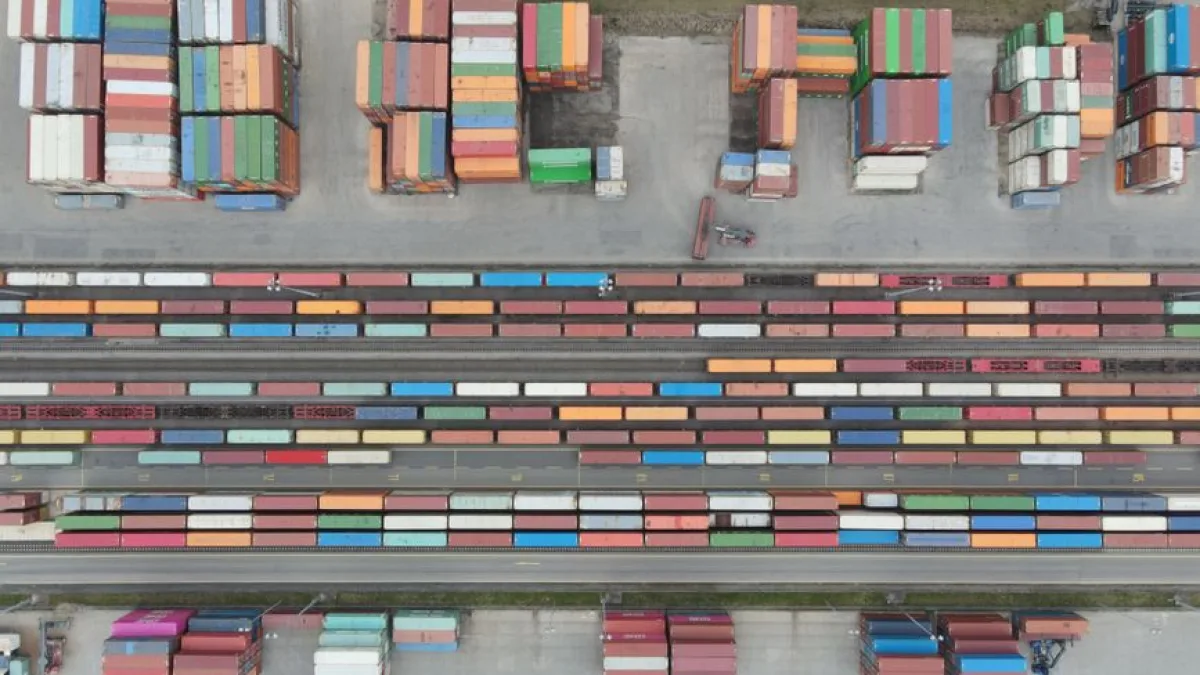
Building a robust network of partners and carriers is essential for maintaining service levels during periods of global disruption. Forwarders must focus on creating flexible connections that allow for rapid pivoting when unexpected challenges impact standard trade routes or carrier availability.
- Diversifying carrier options: Partnering with a wide range of carriers ensures that you always have backup capacity available if a primary route faces sudden operational or weather disruptions.
- Strong partner relationships: Investing time in cultivating deep relationships with local agents guarantees that you have reliable support on the ground in every key international trade region.
- Strategic route planning: Utilizing software to analyze route performance helps you choose the most reliable paths for your clients, minimizing the risk of damage or unexpected delays.
- Crisis management preparation: Developing clear protocols for handling emergencies allows your team to react calmly when supply chain shocks occur, preserving your reputation for reliability and professional service.
Resilience requires a blend of human intuition and software driven precision to navigate the complexities of global trade. When you combine strong interpersonal relationships with data insights, your agency becomes much better equipped to handle volatility without losing momentum. This proactive approach to network management ensures that your clients remain satisfied even when global conditions become difficult or unpredictable for everyone involved.
Embracing Scalable Cloud Software

The adoption of cloud-based platforms is a game changer for firms seeking to grow their operational capacity without adding massive overhead. Scalability is achieved by leveraging technology that grows alongside your business requirements, providing flexible tools for expanding teams.
- Remote team collaboration: Cloud platforms allow your team members to collaborate from anywhere in the world, ensuring that your operations continue smoothly regardless of where staff are located.
- Flexible user access: Assigning specific permissions to different roles ensures security while allowing your employees to access exactly what they need to complete their daily assigned tasks.
- Scalable subscription models: Moving to software-as-a-service pricing allows you to manage your budget effectively by paying only for the tools and capacity that you currently need today.
- Frequent feature updates: Choosing a platform that regularly improves its tools ensures you always have the latest technological advantages without needing to oversee complex internal software installations.
Adopting scalable software allows your firm to focus on winning new clients rather than managing technical infrastructure. As you look toward the future, the ability to rapidly integrate new tools will determine your success in a crowded market. By choosing partners that prioritize continuous improvement, you keep your business at the forefront of digital transformation while maintaining a lean and highly efficient operation.
Conclusion

Adapting to the digital transformation is vital for any freight forwarder looking to compete in the current global market. By focusing on visibility, efficient documentation, resilient networks, and scalable software, your team can achieve lasting success. Explore how MakeCargo can help you streamline these essential operations today to boost productivity and provide better service to your clients in the upcoming busy shipping season.