Navigating the Future of Digital Freight Forwarding
Friday, October 30 2026
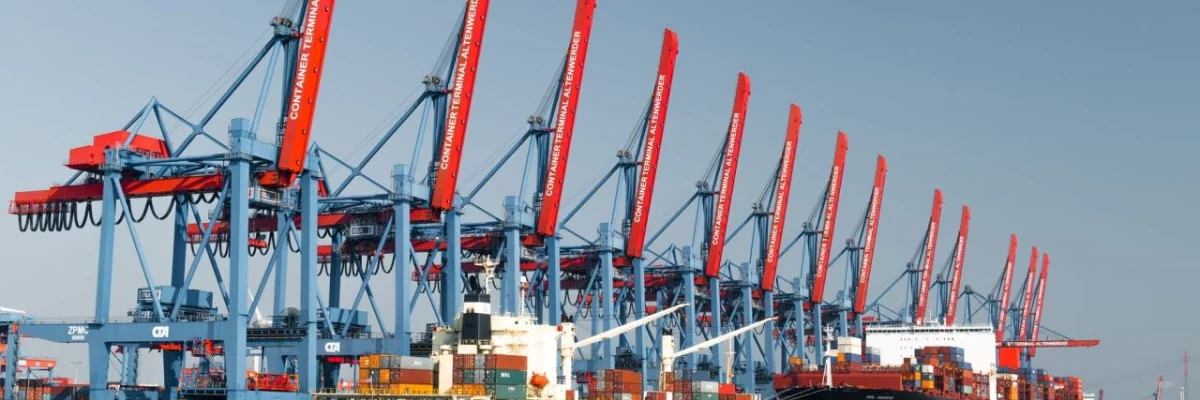
The global logistics landscape is undergoing a massive transformation driven by rapid technological integration and shifting trade dynamics. As freight forwarders face increasing pressure to provide transparency and speed, the reliance on outdated manual processes is becoming a significant liability. Modern cloud-based solutions now offer the necessary tools to streamline complex supply chain operations while reducing operational costs. By embracing digital agility, companies can pivot quickly during market fluctuations and provide superior value to their clients. This evolution is not merely a technical upgrade but a vital necessity for long-term viability in an interconnected world where real-time data access determines competitive survival.
Optimizing Ocean Freight Operations
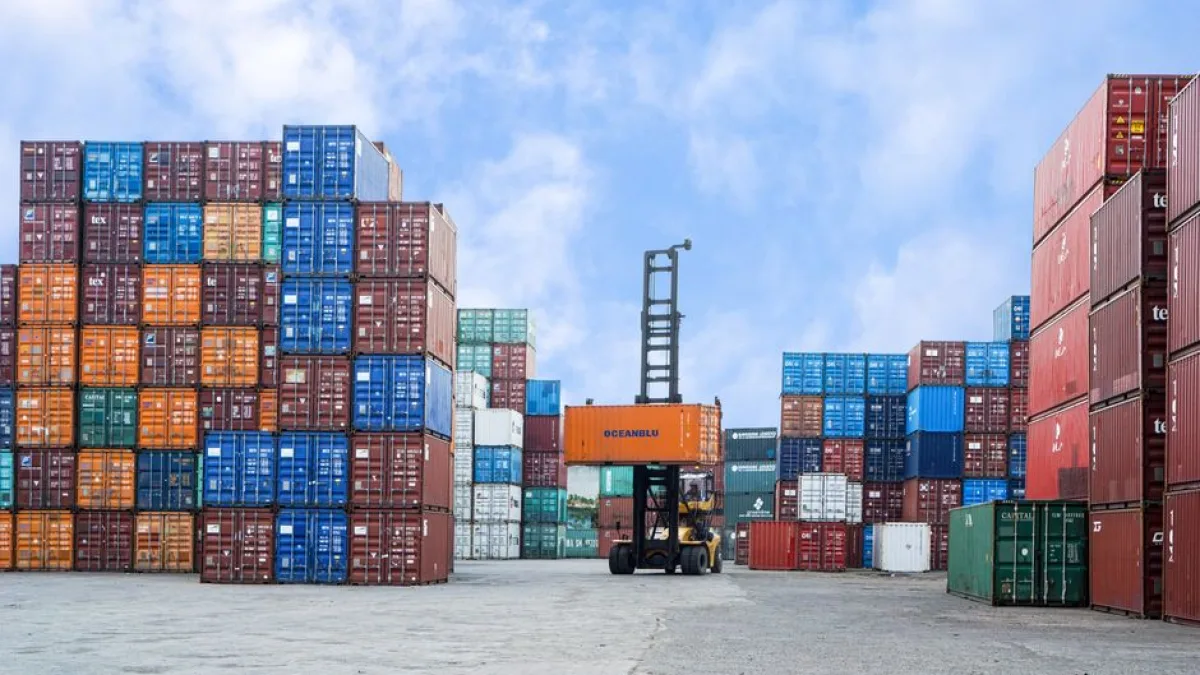
Modern ocean freight requires a seamless flow of data to manage the complexities of international vessel schedules and port operations. Digital platforms now integrate directly with carrier systems to provide forwarders with the visibility needed to optimize every shipment lifecycle effectively.
- Automated scheduling tools: Reduce manual input errors by synchronizing vessel schedules with your internal management software to ensure that every booking remains accurate throughout the entire logistics execution process.
- Real-time tracking visibility: Provide your customers with instant access to location data for their shipments, significantly reducing the volume of inbound inquiries and increasing overall client satisfaction rates.
- Digital documentation management: Centralize bills of lading and commercial invoices within a secure cloud repository to eliminate physical paperwork clutter and speed up the customs clearance process.
- Integrated carrier portals: Connect seamlessly with major shipping lines to exchange booking confirmations and status updates automatically, preventing communication silos that often lead to costly shipping delays.
Optimizing your ocean freight workflow creates a foundation for scalable growth. By centralizing your operations, you ensure that your team spends less time hunting for information and more time focusing on high-value client relationships. Modern software transforms the way your agency handles peak season surges, ensuring that global shipping complexities do not result in bottlenecked processes or missed deadlines for your valued partners.
Enhancing Air Cargo Precision
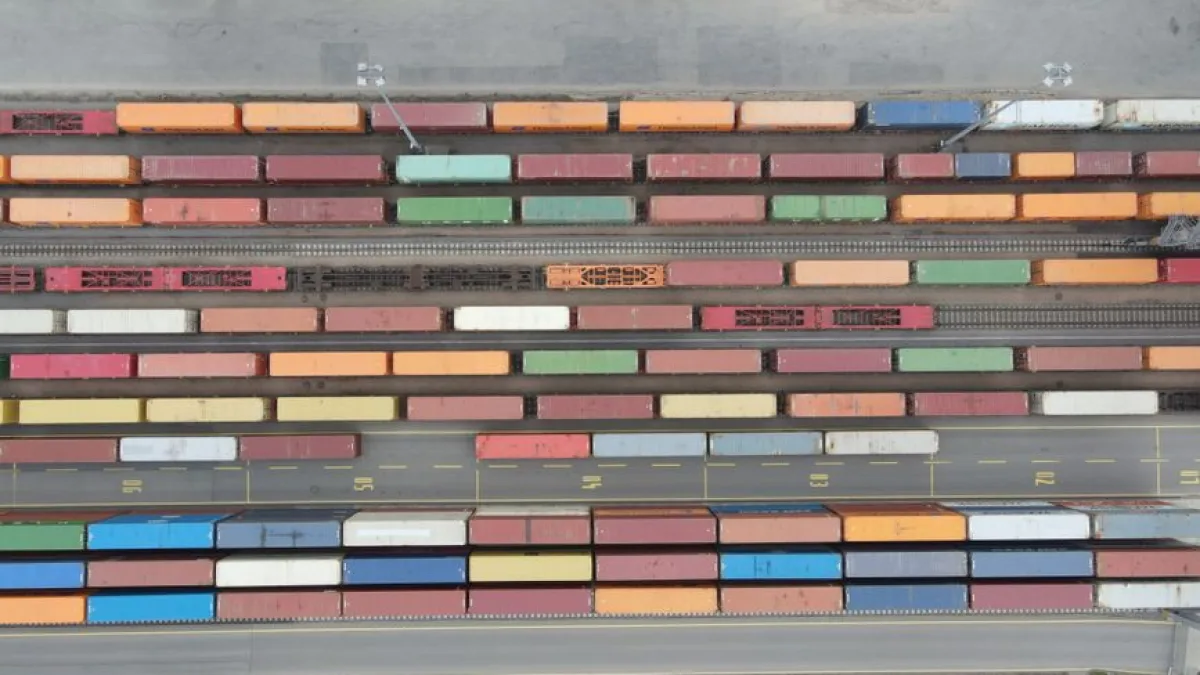
Air cargo demands extreme speed and accuracy, making digital connectivity an essential requirement for modern freight forwarders. Leveraging automated workflows allows companies to navigate the fast-paced nature of air logistics while maintaining compliance and profitability across every flight segment booked.
- Instant quoting engines: Generate accurate freight rates for air transit within seconds by utilizing live capacity data, allowing your sales team to respond faster to time-sensitive customer requests.
- Electronic airway bills: Replace traditional paper-based air waybills with digital alternatives to accelerate processing speeds at airports and ensure that data remains consistent across all international borders.
- Flight status monitoring: Keep a close watch on scheduled flight departures and arrivals to proactively identify potential disruptions and offer immediate alternative solutions to your anxious global customers.
- Customs compliance automation: Use smart software features to validate shipping data against international aviation regulations, preventing regulatory fines and significant delays during the critical final mile delivery phase.
Precision in air cargo management is the benchmark of a professional logistics partner. By adopting digital tools that facilitate real-time monitoring and automated documentation, you effectively reduce the margin for human error. This commitment to accuracy builds long-term trust with shippers who rely on your firm for urgent deliveries, ensuring your operations remain resilient and highly efficient in a competitive global market.
Streamlining Customs Clearance Processes

Customs clearance remains one of the most unpredictable stages of the shipping journey. Digital tools allow forwarders to pre-verify documentation and communicate directly with local authorities, ensuring that goods move through borders without the typical friction associated with manual regulatory compliance.
- Automated data validation: Scan and verify shipping documents automatically for missing information or format errors, ensuring that your filings are perfect before they reach the relevant customs agencies.
- Regulatory database updates: Receive instant notifications regarding changes in international trade laws and tariff codes, keeping your shipping operations fully compliant with the latest global government requirements.
- Direct authority integration: Facilitate faster clearance times by linking your freight management platform directly with government customs portals, reducing the need for redundant manual data entry tasks.
- Duty calculation transparency: Provide clients with clear estimates of total landed costs including duties and taxes, preventing surprise billing issues that often damage long-term business partnerships and trust.
Streamlining customs processes reduces the total transit time and lowers the risk of penalties. When you automate compliance, you protect your business and your clients from unexpected disruptions during the transport phase. This proactive approach transforms a typically frustrating manual bottleneck into a smooth, transparent experience that positions your company as a reliable leader in the complex field of international freight logistics.
Building Resilient Digital Partnerships

The future of freight forwarding depends on strong collaboration between software providers, carriers, and shippers. Building a robust digital ecosystem ensures that every stakeholder has access to the information they need to perform their duties successfully and maintain high operational standards.
- Unified cloud communication: Connect your team with vendors and clients on a single platform to ensure that everyone works from the same source of accurate shipping data.
- Data driven decision making: Utilize built-in analytics to monitor your agency performance metrics, allowing you to identify weaknesses and refine your service offerings based on real evidence.
- Cybersecurity best practices: Protect sensitive logistics data and proprietary client information with cloud infrastructure that prioritizes encryption and secure access controls for all internal software users.
- Scalable software integrations: Leverage APIs to connect your freight platform with accounting and CRM software, creating a comprehensive digital environment that supports your business growth and requirements.
Success in the digital era requires building a resilient ecosystem that connects all participants in the supply chain. By fostering open communication and utilizing integrated technology, you create a seamless experience for your clients. As you expand your services, these digital partnerships will allow you to adapt to new market demands while maintaining the high quality service that defines your brand in logistics.
Conclusion
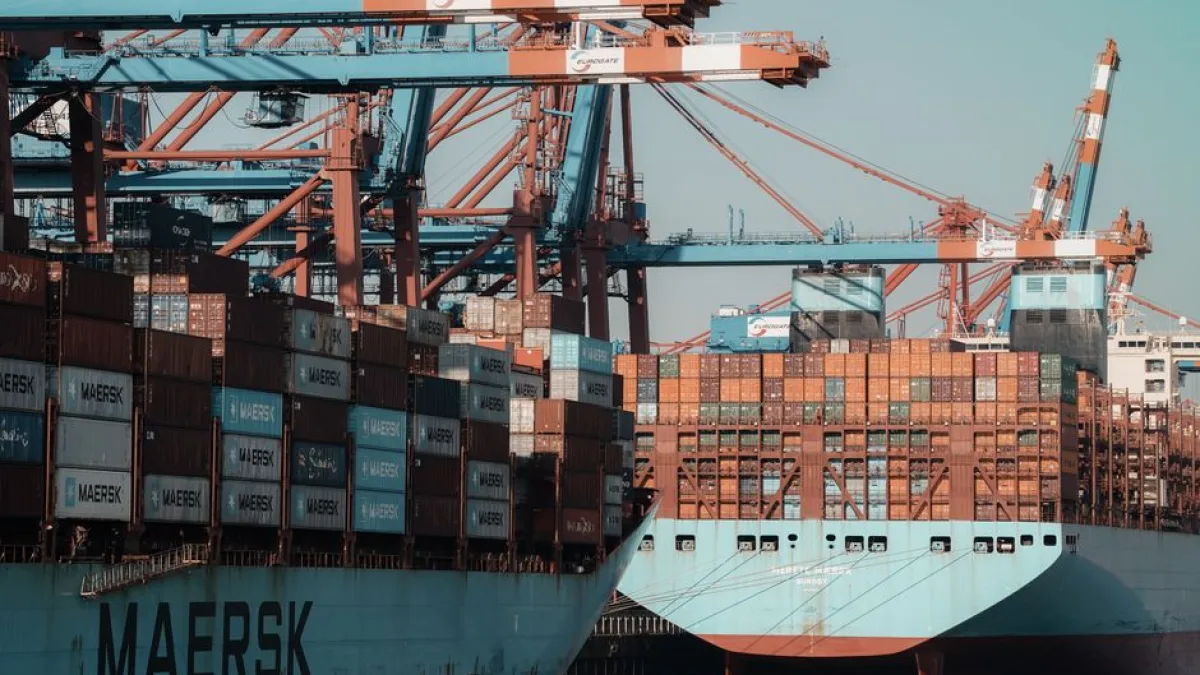
Embracing cloud-based technology is the most effective way to modernize your freight forwarding business. By digitizing ocean, air, and customs workflows, you gain the speed and transparency needed to excel today. Start your journey toward a fully connected supply chain by choosing software that scales with your ambition. Leverage MakeCargo to streamline your operations and deliver consistent excellence to every customer.