Navigating the Future of Digital Freight Forwarding Efficiency
Sunday, July 26 2026
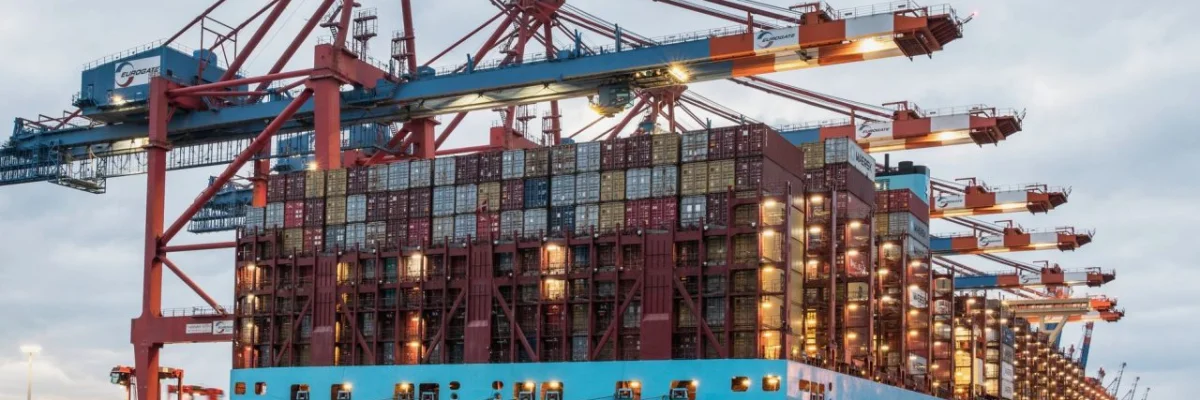
The global logistics landscape is undergoing a massive transformation driven by rapid technological integration and shifting trade dynamics. As freight forwarders face increasing pressure to provide real-time visibility and seamless communication, the reliance on legacy manual processes is becoming a significant competitive liability. Modern platforms now serve as the central nervous system for supply chains, allowing professionals to automate complex workflows and bridge the gap between fragmented data sources. By adopting cloud-based solutions, forwarders can enhance operational transparency, reduce human error, and deliver superior service levels to their clients in an increasingly volatile global market environment.
Embracing Automation in Operations

Digital transformation starts with automating repetitive tasks that consume valuable time for logistics teams. By moving away from manual spreadsheet entries and email chains, freight forwarders gain the ability to focus on high-value strategic decision-making and improved customer relationship management.
- Eliminate manual entry: Automating data capture from documents reduces the time spent on administrative tasks and significantly lowers the likelihood of costly human errors during the shipping process.
- Streamline documentation workflows: Centralized digital platforms allow teams to generate and manage essential shipping documents with a few clicks, ensuring compliance and speed across international borders.
- Optimize resource allocation: Intelligent software assigns tasks based on agent availability and specific expertise, ensuring that complex shipments receive the dedicated attention they require for success.
- Reduce operational friction: Seamless integration between internal tools and carrier networks creates a fluid environment where information moves instantly without bottlenecks or unnecessary communication delays.
Automation serves as the foundation for scalability in modern freight forwarding businesses. When teams stop managing data and start managing shipments, the capacity to handle increased volume grows exponentially without needing to add excessive headcount. This shift allows your organization to maintain lean operations while delivering consistent results for clients who demand nothing less than precision and reliability in their global supply chains.
Achieving Real-Time Cargo Visibility
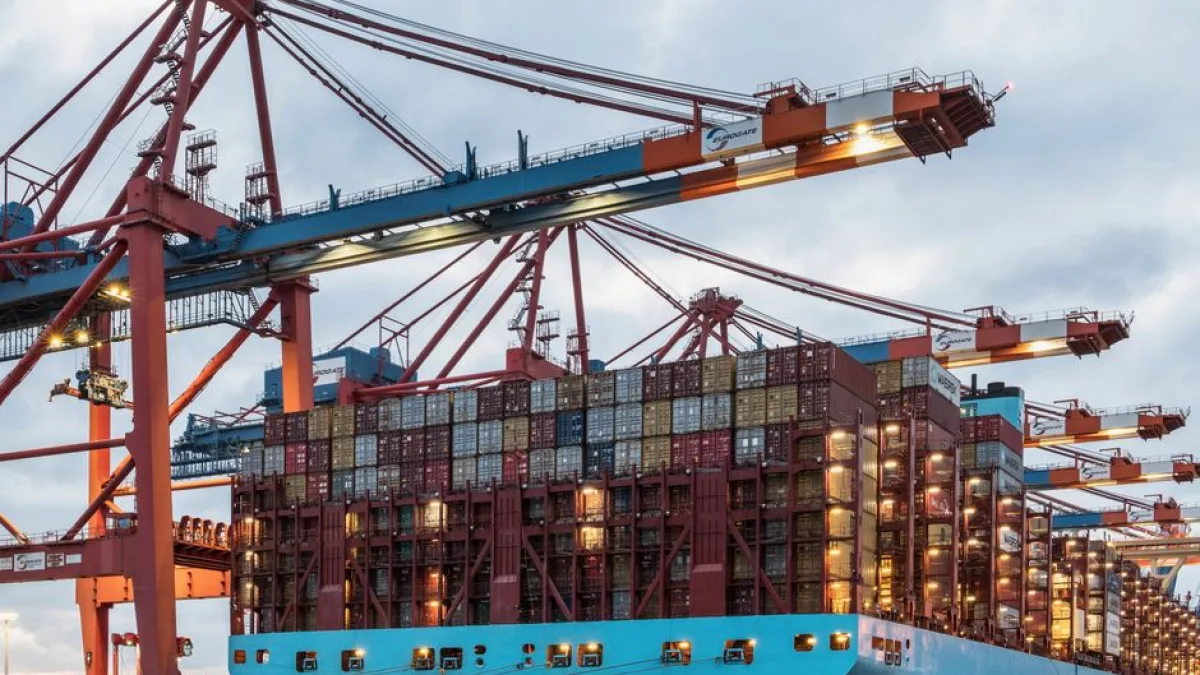
Customers today expect instant updates regarding their shipment status, making visibility a core requirement rather than a luxury. Integrating IoT and carrier APIs provides the granular data necessary to track assets across land, air, and sea during every journey.
- Live tracking updates: Integrating direct carrier feeds provides real-time status updates, ensuring that both the forwarder and the end customer are aware of any transit delays.
- Proactive exception management: Advanced notification systems alert staff to potential disruptions early, allowing for immediate corrective actions before a minor issue becomes a major problem.
- Client portal access: Providing customers with a branded self-service portal reduces the volume of status inquiries while fostering trust through direct and transparent communication channels.
- Data-driven logistics insights: Historical tracking data provides actionable intelligence that helps teams optimize future routing choices based on proven performance metrics and carrier reliability records.
Visibility is the key to building long-term customer loyalty in a competitive market. When you provide accurate information before the client even asks for it, you position your brand as a proactive partner. This level of service transparency transforms the typical shipping experience, turning standard logistics transactions into a strategic advantage that keeps your clients returning year after year for their needs.
Enhancing Financial Control Systems

Financial health depends on accurate invoicing and efficient cash flow management within your platform. Modern freight forwarding software automates the billing process to ensure that all charges are captured correctly and payments are tracked in real time.
- Instant invoice generation: Automated systems create accurate invoices based on predefined rates and actual service consumption, ensuring that billing is completed immediately upon shipment completion.
- Multi-currency support: Handling diverse international currencies is simplified through built-in exchange rate updates, preventing financial discrepancies during cross-border trade settlements with your global partners.
- Cash flow optimization: Integrated finance modules provide clear visibility into outstanding receivables, allowing your accounting team to manage collections and improve your company liquidity.
- Seamless accounting integrations: Connecting logistics software with existing ERP or accounting tools eliminates double entry, keeping your financial records consistent across the entire business ecosystem.
Controlling your financials with precision is critical for sustainable growth in the freight sector. By minimizing the time between service delivery and client payment, your firm maintains the healthy cash flow needed to invest in new technologies and talent. These financial tools protect your profit margins and provide the clear reporting required to make informed decisions about your future business strategy.
Building Resilient Supply Chains

The modern logistics environment requires resilience against unexpected global disruptions. Forwarders must build flexible networks that can pivot quickly, using data to mitigate risks associated with port congestion, labor disputes, or sudden changes in trade routes.
- Dynamic route planning: Software platforms allow users to simulate different shipping scenarios, enabling teams to select the most efficient routes based on current market conditions.
- Carrier performance monitoring: Evaluating carrier reliability through aggregated data helps you choose the best partners for specific trade lanes, reducing the risk of transit failures.
- Collaborative partner networks: Secure communication tools simplify coordination between customs brokers, warehouse staff, and carriers, creating a unified response to any logistical challenge that might arise.
- Scalable cloud infrastructure: Cloud-based systems ensure your team has secure access to critical information from anywhere, maintaining continuity even during local office closures or emergencies.
Resilience is no longer optional for companies aiming to thrive in the global trade market. By investing in agile software, your firm gains the capacity to withstand external shocks while maintaining high levels of service performance. Preparing for the unexpected through smart technology ensures that your business remains a reliable partner for your clients, regardless of how the global logistics landscape evolves next.
Conclusion

The transition to a digital-first approach is the most effective way to secure a future for your freight forwarding business. By embracing automation, visibility, financial control, and network resilience, you position your firm to outperform competitors. Now is the perfect time to evaluate your existing tools and implement the necessary upgrades to achieve lasting growth, improved efficiency, and total operational excellence.