Navigating the Future of Digital Freight Forwarding Efficiency
Saturday, August 1 2026
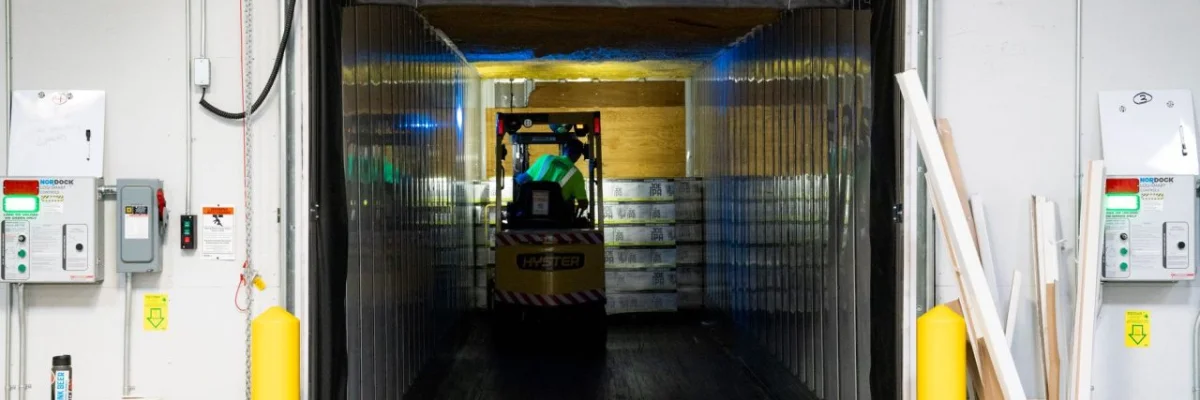
The global logistics landscape is undergoing a massive transformation driven by rapid technological advancement and changing trade demands. As freight forwarders face increasing pressure to provide transparency, speed, and cost efficiency, traditional manual processes are becoming obsolete. Modern logistics providers must embrace digital integration to remain competitive in a volatile international market. By leveraging cloud-based platforms and real-time data analytics, businesses can overcome operational silos and improve customer satisfaction. This article explores how industry leaders are adopting smart digital solutions to streamline their supply chains, reduce human error, and achieve sustainable growth in an increasingly connected world of global freight movement.
Optimizing Warehouse Operations

Modern warehousing requires high precision to manage complex inventory flows effectively. Integrating automated systems allows teams to track goods in real-time, reducing latency and human error while significantly increasing the throughput capacity required to handle high volumes during peak seasonal shipping periods.
- Inventory Tracking Accuracy: Digital warehouse management systems provide real-time updates on stock levels, ensuring that freight forwarders can optimize space and minimize the risk of costly inventory discrepancies during transit.
- Automated Sorting Processes: High-speed robotic sorters reduce the time spent processing individual shipments, allowing for faster turnaround times and improved efficiency within crowded logistics distribution centers and port hubs.
- Predictive Capacity Planning: Data analytics tools help managers forecast warehouse demand, enabling them to allocate resources effectively before surges in cargo volume impact overall supply chain delivery performance.
- Digital Documentation Sync: Eliminating physical paperwork by digitizing intake forms speeds up the receiving process and ensures that all stakeholders have instant access to critical shipment information.
By shifting to automated and data-driven warehouse models, freight forwarders gain a substantial advantage in market responsiveness. These technologies do not just speed up the physical movement of cargo; they create a reliable record of operations that builds trust with clients. As digital tools continue to evolve, the ability to manage complex storage facilities through software will define the leaders of the logistics industry.
Enhancing Real-Time Cargo Visibility
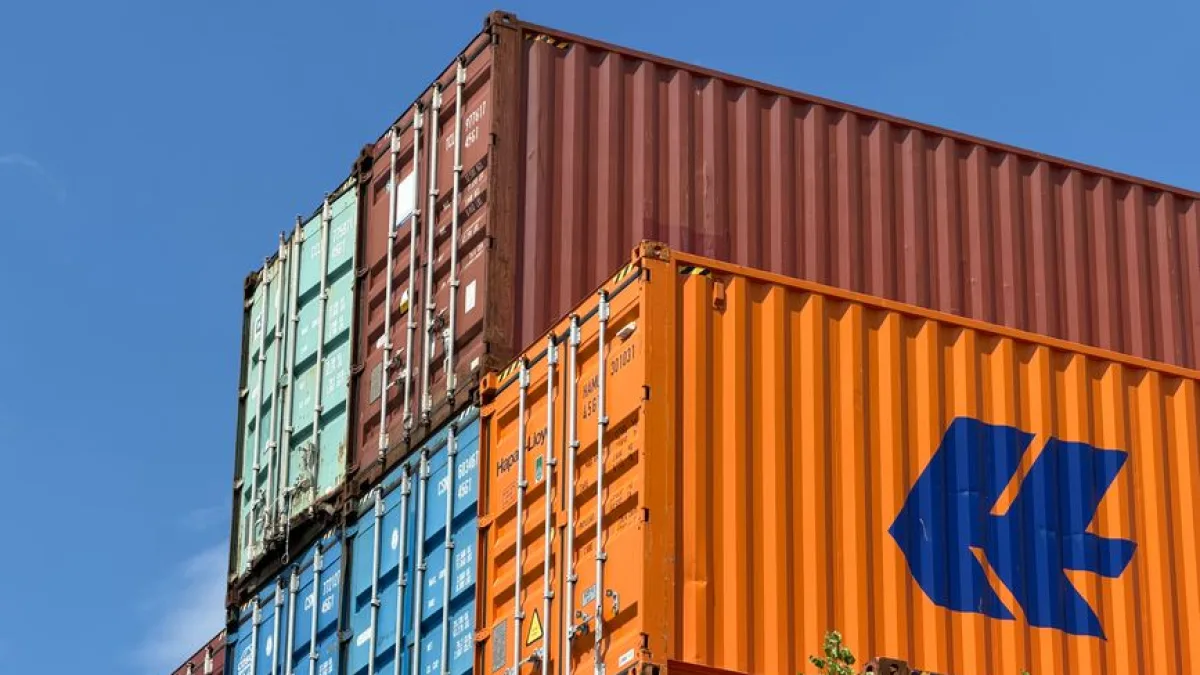
Transparency is the core of modern freight forwarding, and clients now demand constant updates on their shipments. Utilizing satellite tracking and IoT devices ensures that freight forwarders can offer precise location data, mitigating risks associated with transit delays or potential environmental hazards.
- Satellite Tracking Integration: Global positioning technology offers continuous monitoring of cargo containers, providing exact coordinates and status updates regardless of whether they are at sea or on land.
- IoT Condition Monitoring: Integrated sensors monitor temperature and humidity levels for sensitive goods, allowing for proactive interventions if conditions threaten the integrity of high-value or perishable freight.
- Automated Status Alerts: Instant notifications for stakeholders regarding shipment progress significantly reduce the volume of status inquiries, freeing up time for customer service teams to handle complexities.
- Exception Management Protocols: Proactive identification of delays allows forwarders to suggest alternative routing options to clients, turning potential shipping crises into manageable adjustments that keep supply chains moving.
Visibility serves as the bridge between simple transport services and high-value logistics consulting. By offering clients a live window into their shipments, forwarders transform their service model from a reactive process into a proactive strategic partnership. When visibility is prioritized, businesses can drastically reduce the stress associated with global transit, fostering long-term loyalty and repeat engagement from their diverse client base.
Streamlining Customs Clearance Processes

Navigating international borders involves a labyrinth of regulatory requirements that can stall even the most efficient shipping operations. Digitizing customs compliance ensures that documentation is prepared, reviewed, and submitted with maximum speed, drastically reducing the time cargo spends waiting in terminal zones.
- Automated Compliance Checking: Intelligent software scans documentation for errors before submission, preventing costly delays at customs checkpoints caused by incomplete or inaccurate filing of essential shipping paperwork.
- Centralized Document Storage: Secure cloud storage provides a single source of truth for all customs declarations, making audits and historical tracking much simpler for both forwarders and regulators.
- Regulatory Update Integration: Modern platforms automatically sync with international trade databases to apply the latest tariff and regulation changes, ensuring that all shipments remain fully compliant globally.
- Unified Interface Connectivity: Connecting directly with government agencies through digital APIs simplifies the approval loop and accelerates the clearance process for containers moving across various international jurisdictions.
Mastering the complexities of international trade compliance is a competitive necessity in the modern era. When companies adopt automated customs solutions, they replace uncertainty with predictability and speed. This digital shift minimizes the operational overhead associated with manual filings, allowing logistics professionals to focus on high-level strategic tasks rather than administrative hurdles that otherwise slow down the global movement of goods.
Leveraging Advanced Data Analytics
Data is the most valuable asset in the logistics sector, yet it remains underutilized by many traditional firms. By applying advanced analytics to historical and live shipping data, forwarders can identify bottlenecks and optimize route selection for future operations with greater financial precision.
- Route Optimization Modeling: Analyzing past transit times and cost variables helps planners select the most efficient routes, saving fuel and time while maintaining strict delivery deadlines for clients.
- Vendor Performance Analysis: Evaluating the historical performance of various carriers allows forwarders to negotiate better rates and rely on providers who consistently meet service level agreement targets.
- Trend Forecasting Tools: Predictive modeling helps logistics companies identify seasonal demand shifts, allowing them to adjust pricing strategies and capacity bookings well ahead of the industry average.
- Cost Reduction Insights: Granular data visualization reveals hidden costs across the supply chain, enabling managers to implement targeted changes that improve overall profitability and operational financial health.
Data analytics transforms raw numbers into actionable business intelligence that shapes the future of logistics companies. By turning to these tools, freight forwarders can move past simple transportation tasks and act as consultants who drive value for their clients. A commitment to data-driven decision making ensures that a firm remains resilient, profitable, and capable of adapting to the shifting demands of international trade.
Conclusion

The future of freight forwarding rests on the successful integration of smart digital technologies into daily operations. From warehouse automation to deep data analytics, the tools available today empower logistics professionals to deliver unprecedented value to their clients. By embracing these advancements now, companies can ensure their long-term viability and operational excellence in a global market that never stops evolving towards digital transformation.