Navigating the Future of Digital Freight Forwarding Efficiency
Wednesday, August 5 2026

The global logistics landscape is undergoing a massive transformation driven by rapid technological adoption and changing consumer demands. For freight forwarders, the challenge lies in balancing operational speed with the complexity of international trade regulations. As supply chains become more interconnected, reliance on legacy manual processes is no longer a viable path to growth. Industry leaders are now leveraging cloud-based platforms to enhance transparency, automate repetitive tasks, and foster stronger communication across the entire shipping lifecycle. Staying ahead requires a shift toward integrated digital tools that streamline every touchpoint of the freight forwarding experience to remain competitive today.
Modernizing Shipment Tracking Infrastructure
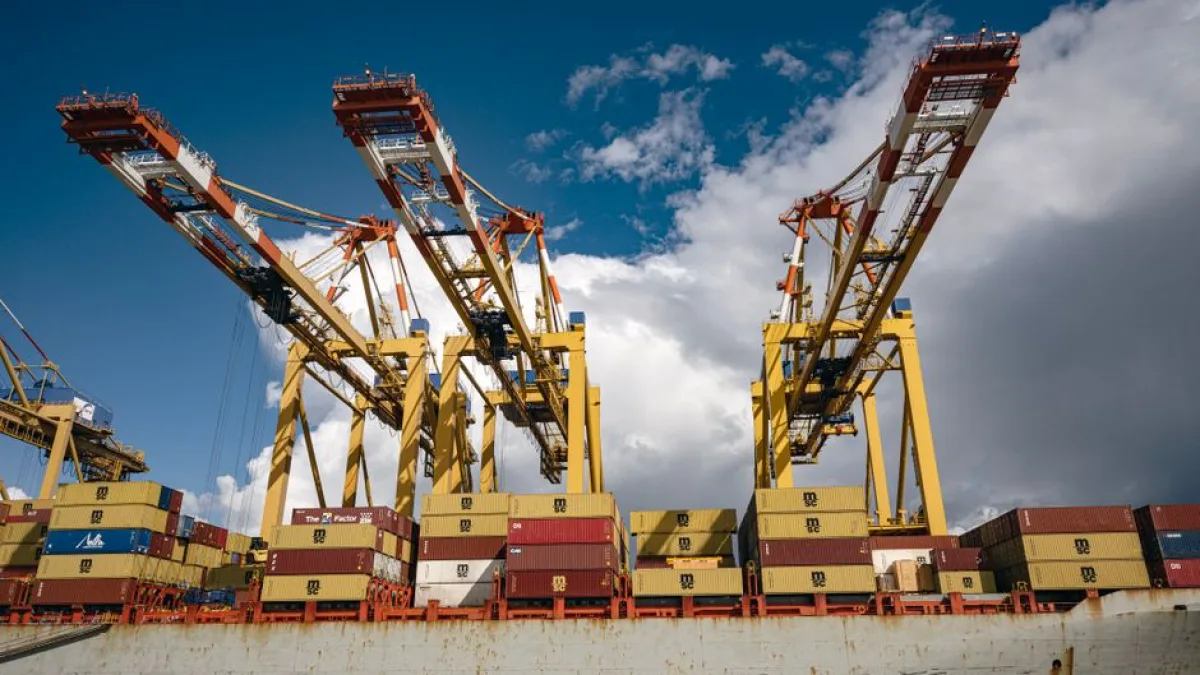
Real-time visibility serves as the backbone of contemporary freight management strategies. Forwarders must move beyond spreadsheets to provide clients with accurate status updates throughout the journey. Integrated tracking systems reduce manual inquiries while building significant trust and long-term customer loyalty.
- Automated status updates: Implementing smart tracking tools allows for automatic triggers that keep customers informed about their cargo location without requiring manual input or constant emails from your team.
- Data synchronization layers: Unified platforms ensure that all stakeholders view the same information simultaneously, effectively eliminating discrepancies and reducing the risk of errors in your documentation process.
- Predictive arrival modeling: Advanced algorithms analyze transit data to provide accurate delivery windows, allowing forwarders to manage client expectations proactively even when unexpected shipping delays occur globally.
- Client portal access: Providing customers with dedicated self-service dashboards empowers them to monitor their shipments independently, significantly reducing the administrative workload for your operations and customer support departments.
By implementing these robust tracking solutions, companies can significantly reduce the volume of incoming status requests from frustrated shippers. This transition allows internal teams to focus on high-value tasks such as exception management and strategic growth rather than repetitive manual check-ins. Ultimately, achieving total transparency acts as a powerful differentiator in a crowded market where reliable data access often dictates who secures the next contract.
Optimizing Automated Document Management

Document management remains a primary bottleneck for logistics providers handling high volumes of cross-border trade. Transitioning to automated workflows ensures that paperwork moves as fast as the physical cargo itself, minimizing clearance risks and preventing costly delays at busy customs borders.
- Smart document parsing: Utilizing artificial intelligence to read and categorize shipping documents automatically helps your team save hours of manual data entry while drastically improving the overall accuracy.
- Secure digital storage: Centralized cloud repositories protect sensitive information from loss or unauthorized access, ensuring that all vital trade documentation is audit-ready and easily retrievable at any time.
- Simplified compliance checks: Integrated software tools automatically flag missing information or regulatory errors before submissions reach customs, preventing costly hold-ups and maintaining strong relationships with international authorities.
- Integrated document workflows: Streamlining the path from booking to final delivery paperwork ensures that documents are shared instantly between carriers, agents, and shippers without needing physical copies.
Efficient document handling is the secret weapon for forwarders looking to scale their operations without ballooning overhead costs. By automating the capture and processing of bills of lading and commercial invoices, you remove human error from the equation. This creates a smoother experience for everyone involved in the supply chain while ensuring that your organization remains fully compliant with evolving international trade laws.
Improving Global Carrier Coordination

Managing relationships with various carriers requires precision and constant coordination to ensure consistent service levels. Digital platforms simplify the interaction between forwarders and carriers, allowing for seamless communication and more effective slot management during peak seasons of high global demand.
- Direct carrier integration: Connecting your platform directly with major shipping lines allows for instant rate retrieval and real-time space booking, removing the friction of manual email exchanges.
- Capacity planning tools: Utilizing digital dashboards helps teams visualize available cargo space and predict future capacity needs, ensuring that you always meet your clients shipping volume requirements.
- Performance tracking metrics: Systematic evaluation of carrier service levels through consolidated data logs helps you make informed decisions when selecting partners for specific lanes or high-priority shipments.
- Dynamic route selection: Software-driven route optimization enables your logistics team to identify the most cost-effective and timely paths for every shipment, maximizing profitability and enhancing client service quality.
Strong carrier coordination is essential for maintaining a resilient supply chain in an increasingly volatile global environment. By utilizing centralized digital tools, your team can pivot quickly when disruption occurs, finding alternative solutions without sacrificing service standards. This proactive approach to managing capacity and carrier relationships ensures that your freight forwarding business remains agile and reliable despite the unpredictable nature of international trade.
Driving Sustainable Operations Forward
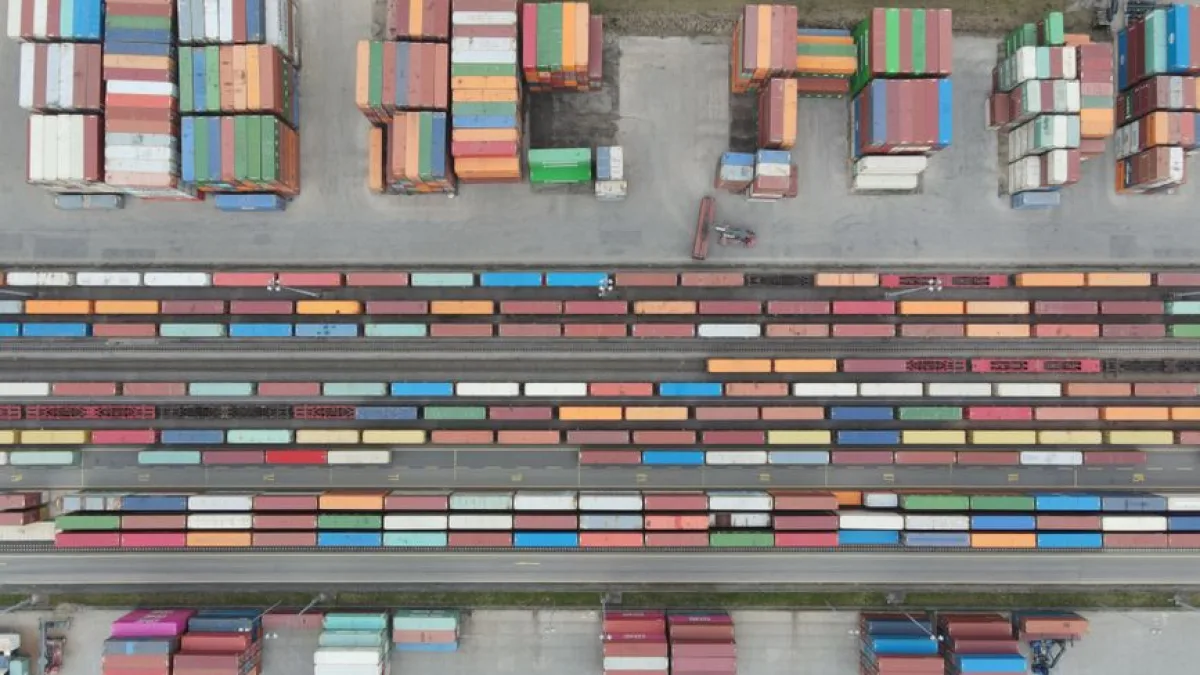
Sustainability is no longer an optional component of logistics but a core business requirement for forwarders worldwide. Clients increasingly expect transparent reporting on carbon emissions, pushing companies to integrate green strategies into their daily operations through innovative software and data-driven management decisions.
- Carbon footprint analytics: Automatic reporting tools calculate the emissions of each shipment, providing clients with the granular data they need to meet their own internal sustainability reporting requirements.
- Efficient load optimization: Maximizing the space inside each container through digital planning tools reduces the total number of trips needed, which directly lowers the environmental impact per unit.
- Eco-friendly lane planning: Utilizing route mapping software helps identify paths with lower fuel consumption or access to greener transportation alternatives, supporting a more environmentally conscious supply chain strategy.
- Digital transformation impact: Reducing paper waste and energy-intensive physical workflows through cloud-based software contributes to a smaller corporate carbon footprint, supporting broader environmental goals for your enterprise.
Adopting sustainable practices positions your freight forwarding firm as a forward-thinking leader in the eyes of modern shippers. As environmental regulations become stricter, the ability to track and optimize for carbon efficiency will become a standard operational expectation. Integrating these capabilities into your platform now prepares your organization for a future where sustainable logistics performance is just as critical as speed and cost.
Conclusion

Staying competitive in today's freight industry requires a bold commitment to digital transformation and operational excellence. By focusing on automated tracking, streamlined documentation, and enhanced carrier coordination, you build a foundation for long-term growth. Embrace these modern software solutions to reduce manual friction and deliver superior value to your global clients. Start optimizing your logistics workflows today to secure your future in the future.