Navigating the Future of Digital Freight Forwarding Efficiency
Thursday, August 6 2026
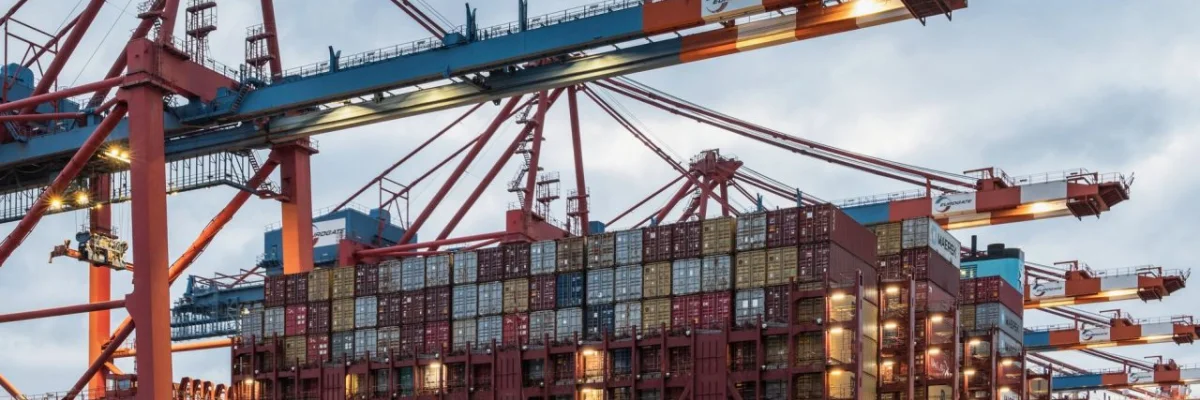
The global logistics landscape is undergoing a massive transformation driven by rapid technological adoption and changing consumer expectations. Freight forwarders are currently navigating a complex environment where traditional manual processes are being replaced by integrated software solutions. Achieving operational agility requires a deep understanding of digital tools, real-time data visibility, and automated workflows. As competition intensifies, companies that embrace cloud-based platforms gain a significant edge by reducing human errors and accelerating decision-making cycles. This evolution marks a pivotal shift for logistics professionals aiming to maintain profitability and service quality while meeting the sophisticated demands of modern global trade.
Optimizing Global Supply Chains
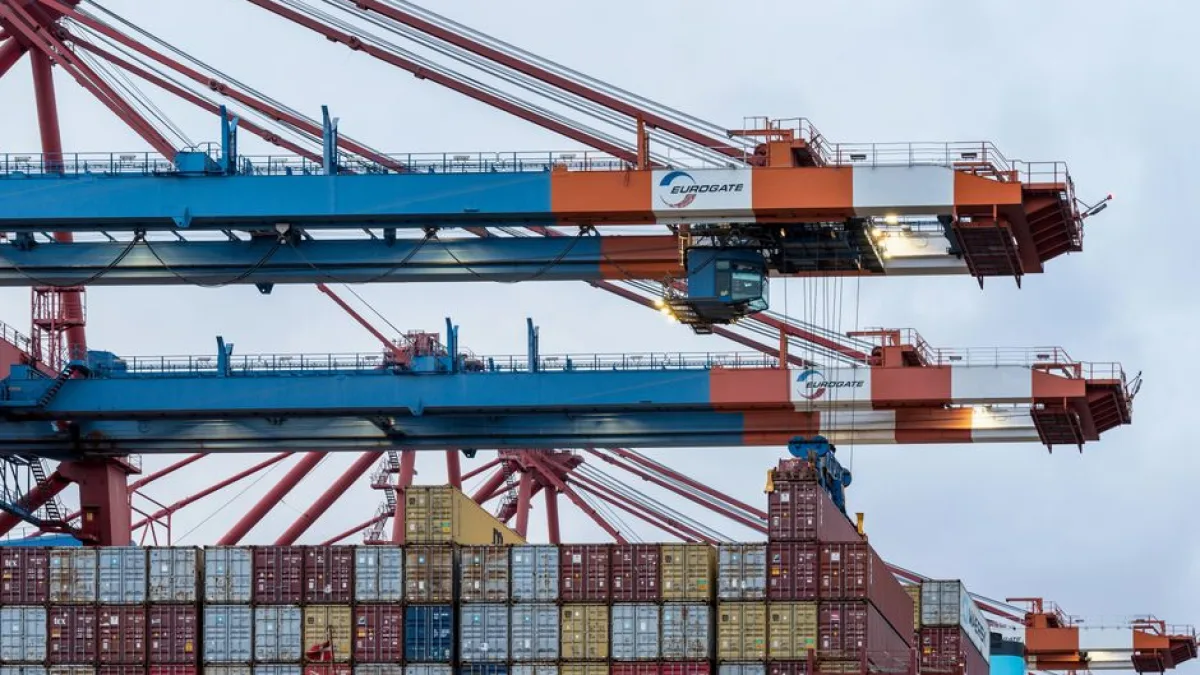
Modern supply chain management relies on the seamless movement of goods across borders while maintaining transparency. Utilizing cloud software allows firms to monitor inventory levels and transit status in real time, which minimizes costly delays for global shipping clients.
- Data accuracy improvements: Integrating automated systems ensures that documentation remains consistent across all platforms, effectively reducing manual entry errors that frequently cause customs clearance delays during international shipment transit operations.
- Real time tracking: Advanced digital platforms provide stakeholders with constant visibility into freight movement, enabling proactive communication and immediate responses to any potential disruptions in the shipping pipeline.
- Workflow automation benefits: Reducing the time spent on repetitive tasks allows your expert staff to focus on strategic client relations rather than getting bogged down in administrative paperwork.
- Cost reduction strategies: Efficient resource allocation through centralized software helps forwarders identify bottlenecks early, leading to significant savings in operational overhead and improved overall profit margins per shipment.
Successfully navigating global supply chains requires more than just physical movement of cargo from point A to point B. It demands a holistic approach where technology serves as the backbone of every process. By centralizing operations, freight forwarders can effectively scale their business, handle higher volumes of complex shipments, and provide superior service levels that foster long-term partnerships with clients across the entire world.
Enhancing Customer Communication

Communication remains the lifeblood of freight forwarding services. Providing clients with instant updates via web portals instead of endless email chains improves transparency and builds trust, ultimately leading to higher retention rates and more referrals for your firm.
- Client portal access: Providing self-service options for customers allows them to retrieve shipping documents and tracking information at their convenience without needing to contact your support team.
- Automated notifications sent: Sending proactive alerts regarding status changes keeps clients informed and satisfied, reducing the volume of inbound inquiries that typically consume your team's valuable daily time.
- Transparent status reports: Delivering clear, visual updates ensures that every stakeholder understands the shipment journey, which minimizes confusion and builds professional trust throughout the entire logistics lifecycle process.
- Efficient document sharing: Securely managing digital documents within a cloud portal eliminates the risk of sensitive information being lost in email threads while streamlining the entire billing process.
When you improve your communication channels, you effectively differentiate your brand in a crowded market. Customers value firms that are responsive, transparent, and digitally accessible at every step. By adopting a modern cloud-based portal, you transform the customer experience from a reactive, stress-filled process into a proactive, high-value partnership that keeps your clients coming back for future shipping requirements time and again.
Automating Complex Documentation

Processing shipping documents manually remains a significant hurdle for many forwarders. Automated document generation tools dramatically reduce the time required to prepare bills of lading, commercial invoices, and packing lists while ensuring total compliance with international shipping regulations.
- Error reduction techniques: Software tools automatically pull data from previous records to populate new forms, which eliminates common typos and formatting issues that typically trigger regulatory customs compliance audits.
- Compliance validation checks: Intelligent software scans your paperwork for missing information or regulatory inconsistencies, ensuring that every document meets strict international standards before it reaches port officials.
- Faster processing times: Digitizing document workflows significantly decreases the cycle time from booking to dispatch, allowing your team to process higher volumes without increasing headcount or office resources.
- Electronic signature integration: Incorporating e-signature capabilities speeds up the approval process, allowing all parties to sign documents remotely without the need for traditional physical printing or mailing services.
Manual paperwork is often the silent killer of productivity in freight forwarding. By shifting toward an automated document management system, you liberate your employees from tedious tasks and reduce the risk of human error. This transition not only speeds up your daily operations but also provides a robust audit trail that keeps your business protected in the event of any legal or logistical disputes.
Scaling Through Cloud Technology

Scalability is essential for long-term growth in the logistics industry. Moving your infrastructure to the cloud allows your team to collaborate from anywhere, providing the flexibility needed to handle sudden spikes in shipping volume without any interruption.
- Remote team collaboration: Cloud platforms enable staff members to work from different geographic locations while remaining perfectly synced on every project status, document update, and client request.
- System security protocols: Modern cloud providers offer enterprise-grade protection for your sensitive data, ensuring that your business information remains secure from cyber threats and unauthorized access attempts.
- Easy software updates: Cloud solutions are updated automatically by the vendor, meaning your team always works with the latest features and security patches without manual software installations.
- Flexible resource usage: Scaling your logistics software capabilities based on current business needs prevents you from overpaying for features you do not use during slower shipping seasons.
Scaling your logistics business is much easier when your software does not restrict your growth. With a cloud-based architecture, you can expand your service offerings, add new staff members, or enter new markets with confidence. This technology ensures that your operational capacity grows in tandem with your client list, positioning your company as a leader in the fast-paced world of international cargo management.
Conclusion
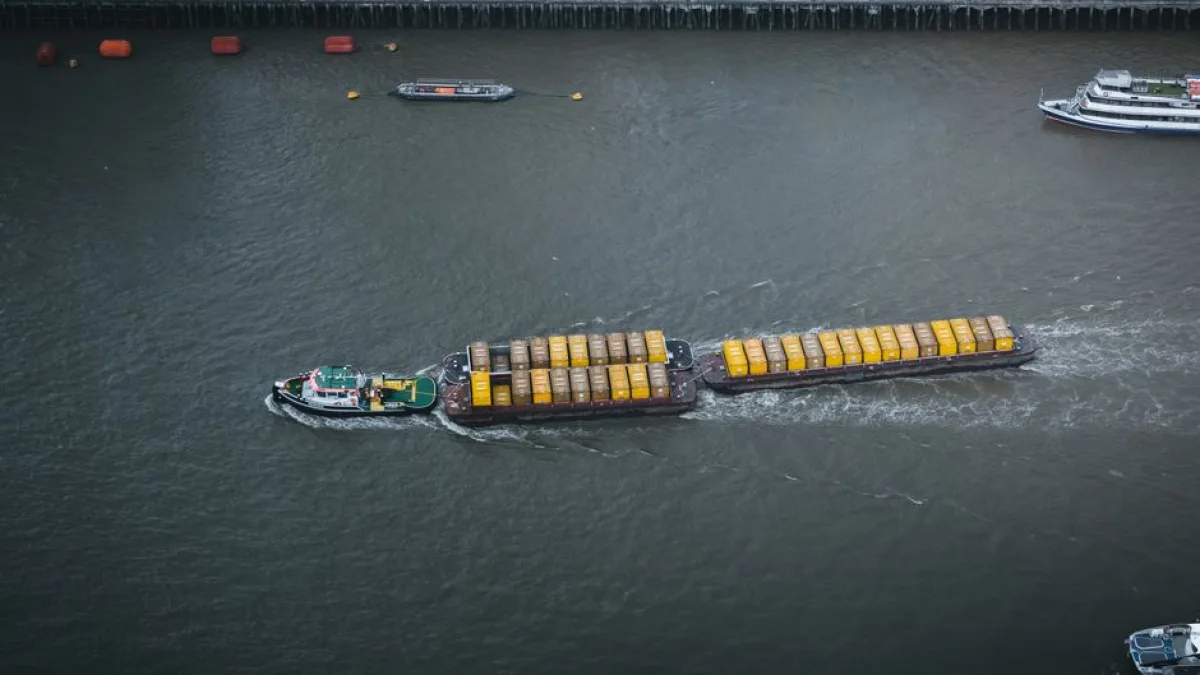
Adopting modern freight forwarding technology is the most effective way to stay competitive in an increasingly digital world. By focusing on workflow automation, transparent communication, and scalable cloud solutions, your firm will be well-positioned to handle future industry shifts. Start your digital transformation today to improve operational efficiency and provide better value to your global clients who rely on your expertise.