Navigating the Future of Digital Freight Forwarding Efficiency
Tuesday, August 11 2026
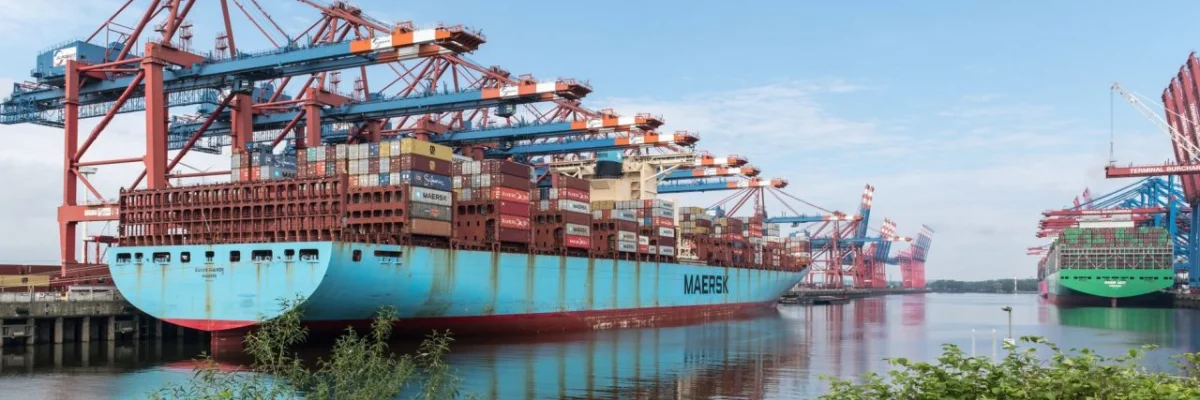
The global logistics landscape is undergoing a radical transformation as traditional freight forwarding firms shift toward comprehensive cloud based solutions to manage complex supply chains. As market volatility becomes the new standard, professionals are turning to automated systems to reduce manual error and enhance operational transparency. By leveraging real time data analytics, companies can now navigate port congestion, shifting regulatory requirements, and fluctuating fuel costs with unprecedented agility. Embracing modern technology is no longer an optional upgrade but a fundamental requirement for forwarders aiming to maintain a competitive edge in a crowded and rapidly evolving international market.
Optimizing Port Operations
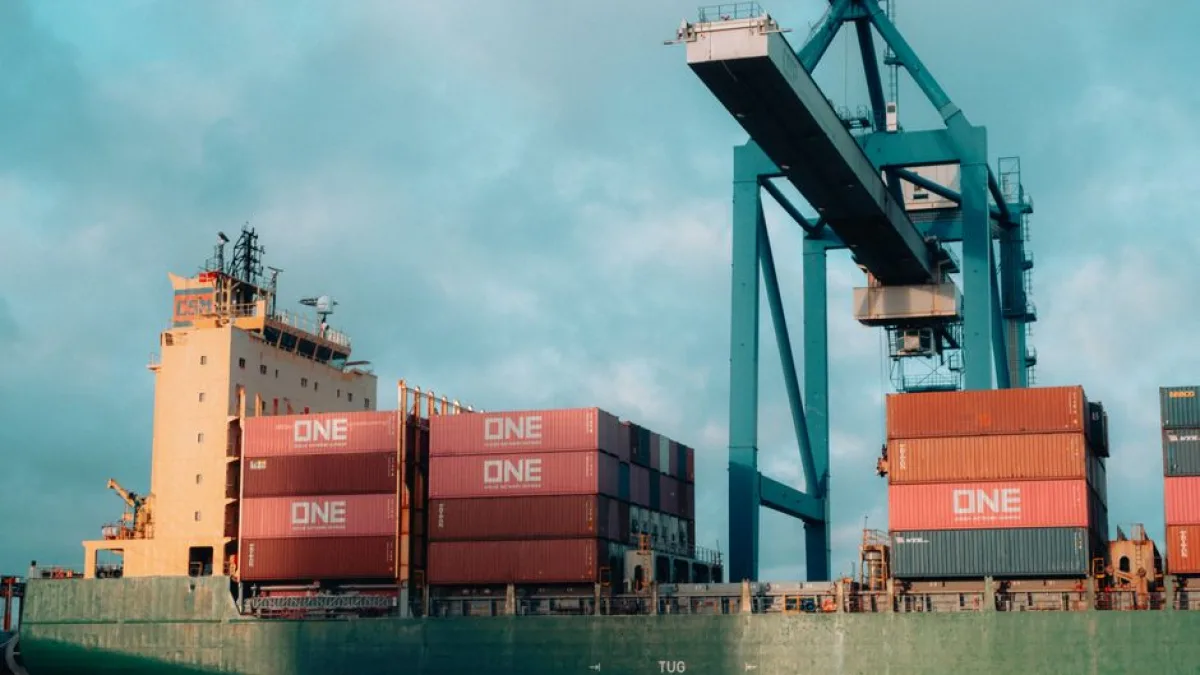
Modern port operations rely heavily on digital synchronization to move massive volumes of containers efficiently. Forwarders who integrate their software with terminal operating systems gain a clear view of cargo status, allowing them to proactively manage vessel schedules and client expectations effectively.
- Real time tracking: Advanced digital platforms provide live updates on container movements through various terminals to ensure all stakeholders remain informed about cargo arrival times and possible delays.
- Automated documentation flow: Digital integration eliminates paper intensive processes by syncing bills of lading and customs declarations directly with port authorities for faster clearance times across major trade lanes.
- Resource allocation planning: Smart data tools help firms predict peak congestion periods at major global gateways so they can adjust transport schedules and save on unnecessary storage fees.
- Integrated communication portals: Unified messaging interfaces allow teams to coordinate with drayage drivers and terminal operators instantly to prevent bottlenecks that often occur during high volume shipping seasons.
- Smart capacity forecasting: Predictive algorithms analyze historical port throughput data to help forwarders secure vessel space ahead of market surges and maintain consistent service levels for their clients.
These digital tools allow freight forwarders to bypass traditional communication silos that often lead to costly delays and misinformation. By investing in integrated logistics platforms, firms can secure a reliable flow of information between parties. This level of transparency not only optimizes daily port activities but also builds stronger trust with customers who depend on predictable timelines for their critical international shipping operations.
Leveraging Advanced Data Analytics
Data driven decision making has become the backbone of modern freight forwarding strategy. By turning raw shipment data into actionable insights, managers can identify bottlenecks in their supply chain before they escalate into major disruptions that impact their bottom line performance.
- Predictive shipment modeling: Sophisticated machine learning algorithms analyze past shipping patterns to forecast future transit times and help forwarders provide accurate ETAs to their global customers consistently.
- Cost analysis tools: Detailed financial dashboards enable logistics managers to track operational expenses per lane and identify areas where fuel or administrative costs can be trimmed.
- Performance benchmarking metrics: Analytical software provides key performance indicators that allow teams to compare current efficiency against industry standards to drive continuous operational improvements annually.
- Carrier reliability scores: Data driven ranking systems help forwarders select the best transport partners based on their historical performance regarding on time delivery and shipment safety records.
- Risk mitigation strategy: Automated alerts monitor global weather patterns and geopolitical events to suggest alternative shipping routes that minimize potential delays and financial losses for clients.
When freight forwarders utilize these advanced analytics, they shift from a reactive stance to a proactive management style. This evolution is essential for companies dealing with unpredictable global events. By understanding the underlying variables that influence transit times and shipping costs, firms can make informed choices that protect their margins and improve service reliability during challenging periods of volatility across global markets.
Strengthening Supply Chain Visibility
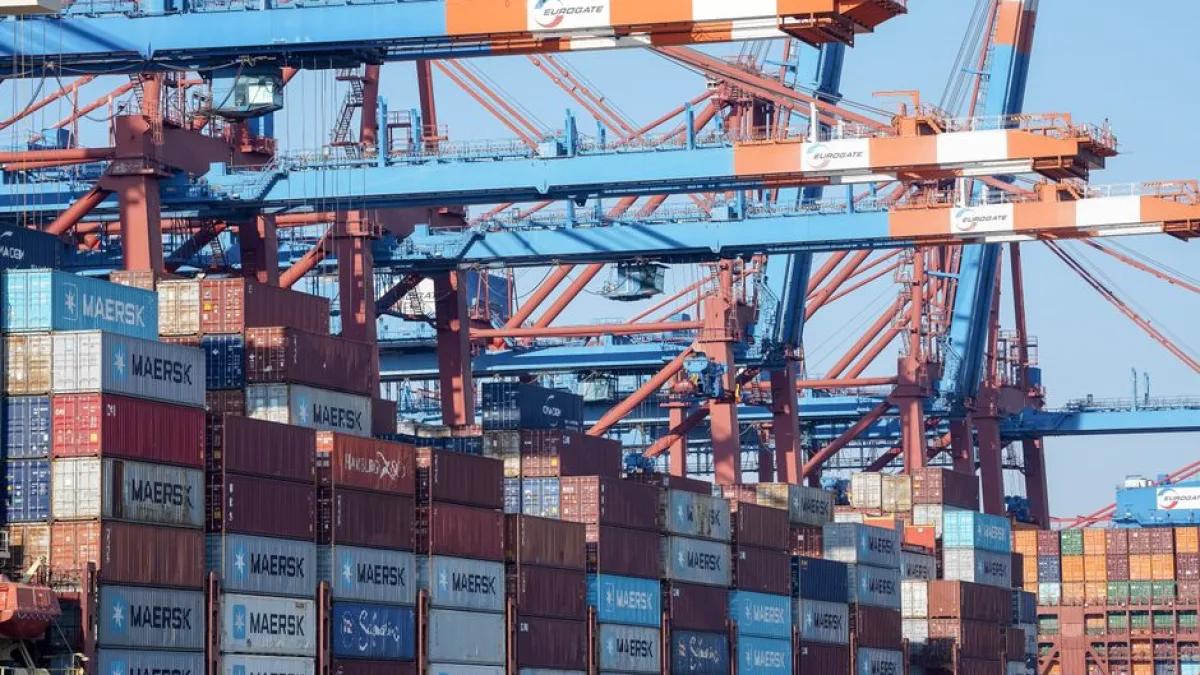
Visibility is the core requirement for modern supply chain management and customer satisfaction. Providing clients with an end to end view of their shipments helps forwarders differentiate themselves in a competitive market while reducing the burden of manual status inquiries.
- End to end tracking: Centralized digital platforms offer a single source of truth for cargo movement from origin warehouse to the final destination delivery point across borders.
- Automated client notifications: Proactive email and SMS alerts keep customers informed about milestone updates without requiring staff intervention to answer status requests from diverse clients.
- Document transparency access: Secure online portals grant clients immediate access to invoices and shipping documents to streamline their internal accounting and customs compliance verification processes daily.
- Exception management alerts: Automated systems notify staff the moment a shipment deviates from its planned path so that immediate corrective actions can be taken by operations.
- Customized report generation: Flexible reporting tools allow forwarders to export shipment data for client presentations or internal review sessions to highlight value and identify growth.
Improving visibility creates a seamless customer experience that is highly valued in the logistics industry. When clients have direct access to information regarding their goods, their reliance on phone calls and manual emails drops significantly. This shift allows the forwarding team to focus on solving complex logistical challenges rather than repeating basic status updates, ultimately increasing staff productivity and overall customer retention.
Scaling Through Cloud Infrastructure

Cloud infrastructure provides the necessary foundation for scalable freight forwarding operations. By moving away from legacy on site servers, firms gain the flexibility to expand their services across new international markets while keeping their internal systems synchronized and secure everywhere.
- Remote team collaboration: Cloud based software ensures that staff members in different time zones access the same shipment information in real time to coordinate global moves.
- High security protocols: Enterprise grade encryption protects sensitive client information and shipment data against cyber threats while meeting international data privacy compliance standards for firms.
- System scalability options: Flexible software plans allow forwarders to add new user licenses or modules as their business grows without needing complex hardware infrastructure updates.
- Seamless software updates: Automated cloud deployments ensure that all users operate on the latest version of the platform with access to new features immediately upon release.
- Disaster recovery resilience: Secure cloud backups protect business continuity by ensuring that shipment data remains accessible even in the event of local hardware failure or incidents.
Adopting cloud technology transforms the operational capacity of any freight forwarding business. It provides a stable environment that supports long term growth and global expansion. By eliminating the technical limitations associated with old software, firms can innovate faster and adapt to changing client needs. This transition is a critical step for forwarders looking to modernize their infrastructure and thrive in the future.
Conclusion

Digital transformation remains the single most important factor for success in the modern freight forwarding sector. By implementing cloud based platforms and advanced analytical tools, companies can achieve higher efficiency levels and improved customer trust. Now is the time for industry professionals to evaluate their current processes and adopt modern technologies that will support their long term scalability and operational growth requirements.