Navigating the Future of Digital Freight Forwarding Efficiency
Wednesday, August 12 2026

The global logistics landscape is undergoing a rapid transformation as digital integration becomes the standard for modern freight forwarders. Companies are no longer relying on legacy paper processes to manage complex supply chains across international borders. Instead, forward-thinking professionals are adopting cloud-based platforms to enhance visibility, improve communication, and ensure data accuracy in real time. By prioritizing technological agility, firms can now mitigate risks associated with fluctuating market conditions and capacity shortages. This shift toward digital maturity is not merely an operational upgrade but a fundamental requirement for maintaining a competitive advantage in a volatile and interconnected global marketplace.
Embracing Cloud Integration

Cloud solutions have revolutionized how freight forwarders manage their daily operations. By centralizing data, teams can access critical shipment details from any location. This transition removes silos between departments, ensuring that all stakeholders have a unified view of every shipment throughout the transit process.
- Real-time data access: Cloud-based platforms provide instant updates on shipment status, allowing logistics professionals to make proactive decisions based on accurate information rather than waiting for email confirmations or phone updates.
- Automated documentation workflows: Software integration minimizes human error by automating repetitive tasks like invoice generation and bill of lading creation, significantly reducing the administrative burden on your busy operational staff members.
- Secure information storage: Keeping sensitive shipping documents in a centralized cloud repository ensures that your business remains compliant with data security regulations while protecting client confidentiality against potential digital threats.
- Global team collaboration: Teams working across different time zones can simultaneously contribute to the same digital files, which fosters better communication and prevents the common bottlenecks associated with traditional office workflows.
Adopting these cloud tools represents a strategic commitment to operational excellence that modern shippers demand from their partners. Forwarders who successfully integrate these technologies often see a reduction in processing times and a sharp increase in customer satisfaction scores. Embracing this shift early allows your team to focus on high-value tasks rather than manual data entry, driving sustainable growth for your logistics enterprise today.
Enhancing Supply Chain Visibility
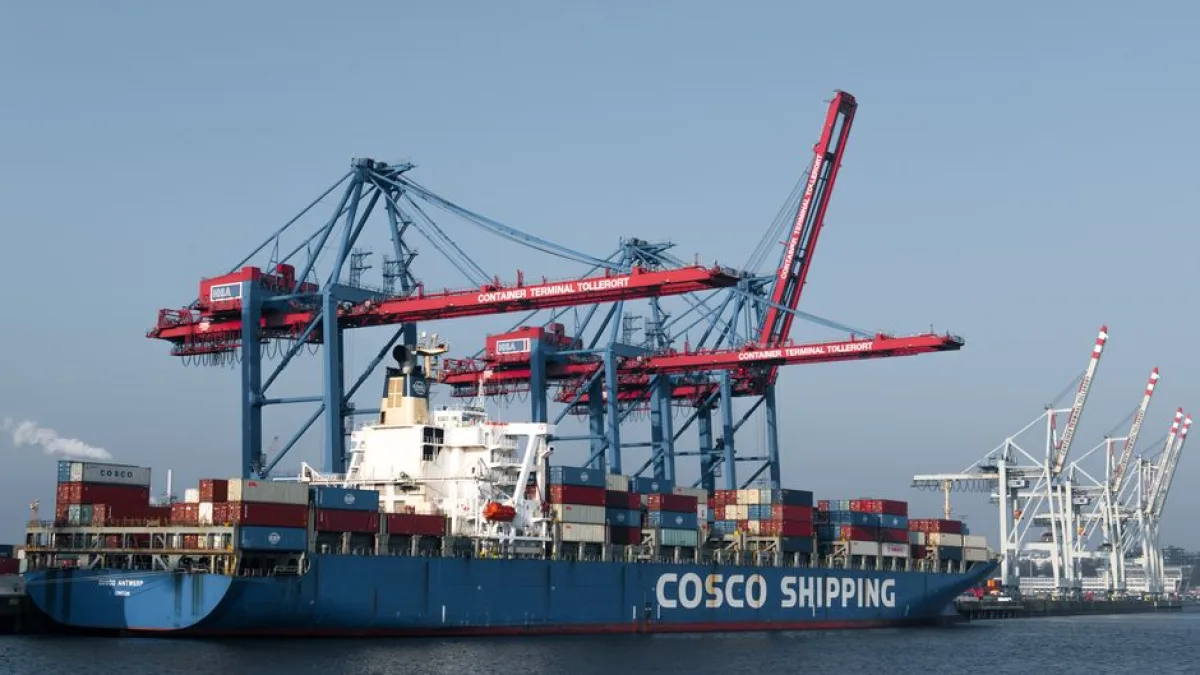
Visibility is the primary currency of the current freight industry. Clients demand complete transparency regarding the whereabouts of their goods. By utilizing advanced tracking technologies, you can provide detailed updates that build trust and long-term loyalty with your most important commercial shipping partners.
- Enhanced tracking features: Integrating satellite tracking into your platform allows customers to view exact coordinates of their cargo, reducing inquiries and providing peace of mind during complex ocean freight transits.
- Proactive delay notifications: Automated alerts keep clients informed about potential port congestion or weather delays before they become critical issues, allowing everyone to adjust their schedules and manage expectations effectively.
- Predictive analytics power: Modern software uses historical data to forecast potential risks, enabling your team to suggest alternative routes that keep goods moving even when major supply chains face disruption.
- Custom client portals: Providing a dedicated portal for shippers gives them 24/7 access to their unique dashboard, which reduces the need for manual reporting and enhances your professional service image.
True visibility goes beyond simple status updates; it provides actionable intelligence that helps businesses optimize their entire supply chain strategy. When you offer clear insight into every milestone, you shift the relationship from a vendor to a trusted strategic partner. This level of clarity is vital for retaining clients who require precision and speed in every single transaction moving across your global network.
Streamlining Financial Workflows

Financial management remains one of the most complex aspects of freight forwarding. Manual billing and auditing often lead to significant revenue leakage. Digital platforms solve these issues by ensuring that every cost is captured, verified, and invoiced correctly without the need for endless manual spreadsheet reconciliations.
- Automated invoice auditing: Software automatically verifies carrier invoices against initial quotes to ensure that no hidden charges or errors affect your profit margins during the final financial settlement of shipments.
- Currency management tools: Handling international payments is simplified through automated exchange rate updates, protecting your business from the volatility of global currency markets during long-term logistics service contracts or agreements.
- Integrated payment gateways: Accepting digital payments directly through your freight platform speeds up your accounts receivable cycle, which significantly improves cash flow and reduces the time spent on collections.
- Detailed profit analysis: Accessing real-time reports on the profitability of individual lanes or clients allows management to refine pricing strategies and focus on the most lucrative areas of business.
Optimizing your financial operations allows your company to remain profitable even when margins are tight. By removing the friction from billing and payment cycles, you free up capital that can be reinvested into other areas of growth. Effective software solutions turn your finance department into a strategic engine, providing the exact data needed to make informed decisions that ensure long-term business success.
Preparing for Future Trends
The industry will continue to evolve as artificial intelligence and machine learning become integrated into common freight software. Preparing for these innovations is necessary for firms that want to remain relevant. Staying ahead of the curve involves continuous learning and upgrading your digital infrastructure to handle upcoming challenges in trade and international transport.
- AI powered routing: Machine learning algorithms analyze thousands of variables to determine the most cost effective shipping paths, saving your company money while improving delivery times for all your clients.
- Digital transformation roadmaps: Developing a clear plan for your internal tech adoption helps your employees transition smoothly to new systems without experiencing the stress often associated with major workplace changes.
- Scalable infrastructure design: Choosing flexible software architecture ensures that your logistics platform can grow alongside your company, handling increased shipment volumes without requiring a complete overhaul of your internal digital processes.
- Sustainable shipping focus: Future platforms will increasingly prioritize carbon tracking features, helping forwarders meet new environmental regulations and satisfy the growing demand from clients for greener, more sustainable logistics options globally.
Success in the coming years depends on your ability to pivot and adapt to new technologies. By investing in the right tools today, you build a foundation that can accommodate the rapid changes in global trade. Stay proactive, encourage digital literacy within your workforce, and always look for ways to leverage data to create superior value for every customer you serve globally.
Conclusion

The journey toward digital excellence in freight forwarding is continuous and requires consistent dedication to innovation. By leveraging cloud tools, enhancing supply chain visibility, and streamlining financial processes, your firm can achieve unparalleled efficiency and growth. Start optimizing your digital strategy with MakeCargo today to ensure your team is equipped for the challenges of modern logistics. The future of global shipping starts here.