Navigating the Future of Digital Freight Forwarding Efficiency
Thursday, August 13 2026
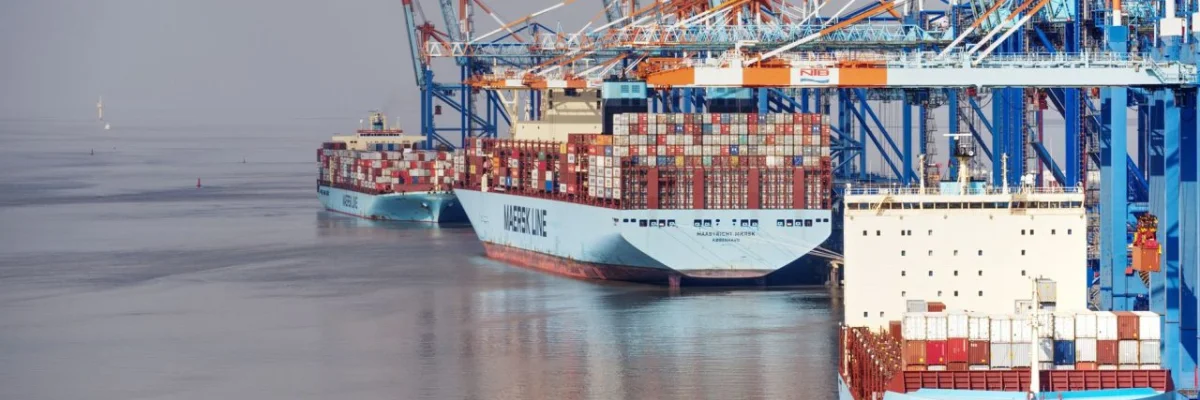
The global logistics landscape is undergoing a profound transformation driven by rapid technological integration and shifting trade dynamics. As freight forwarders grapple with increasing complexities in supply chain transparency and customer demand, the adoption of sophisticated cloud-based platforms becomes essential for survival. Modern software solutions are no longer optional tools but foundational infrastructure that empowers teams to automate routine tasks, manage cross-border compliance, and provide real-time visibility to clients. This shift is redefining operational standards and enabling forwarders to focus on high-value strategic decision-making while ensuring that every shipment moves with precision through an increasingly volatile global environment.
Optimizing Warehouse Operational Workflow

Streamlining warehouse operations through digital tracking reduces manual bottlenecks and enhances the speed of cargo processing. By implementing cloud solutions, teams gain a birds-eye view of inventory status, allowing for proactive management of space and labor resources throughout the daily facility cycles.
- Real-time inventory tracking: Accurate monitoring of stock levels ensures that warehouse personnel can quickly identify cargo locations, minimizing search time and reducing the risk of misplaced goods within large facilities.
- Automated task assignment: Intelligent software distributes daily labor duties based on individual worker efficiency and equipment availability, significantly improving the overall output and speed of your fulfillment operations.
- Enhanced dock management: Managing vehicle arrival schedules effectively prevents congestion at loading bays, allowing for a smooth flow of trucks entering and leaving the facility during peak busy hours.
- Safety compliance monitoring: Digital logs track equipment maintenance and staff safety training, ensuring that all facility operations adhere to international standards while reducing the probability of workplace accidents occurring.
Efficient warehouse management serves as the backbone of successful logistics operations. When your team utilizes digital tools to monitor physical assets, the entire supply chain becomes more responsive and resilient. By prioritizing operational transparency and automated workflows, forwarders can significantly lower overhead costs while increasing their service quality. This strategic investment in internal infrastructure leads directly to improved client trust and sustained long-term growth.
Embracing Real-time Visibility Solutions

Advanced tracking technology provides comprehensive insights into shipment progress across international waters and borders. These tools bridge the communication gap between carriers and clients, ensuring that all stakeholders remain informed about precise location data and potential transit delays.
- Live transit updates: Providing clients with instant access to shipment locations builds confidence and transparency, allowing them to make informed decisions regarding their inventory planning and downstream retail activities.
- Proactive delay alerts: Automated notification systems identify potential disruptions early, enabling teams to implement contingency plans before a minor delay escalates into a significant supply chain bottleneck situation.
- Integrated communication portals: Centralized platforms facilitate seamless interactions between agents and carriers, eliminating the reliance on disjointed email threads and reducing the risk of critical information being lost.
- Data-driven performance analytics: Evaluating carrier reliability metrics helps freight forwarders select the best partners for specific routes, ensuring that shipments are handled by the most dependable vendors available globally.
True visibility is the hallmark of a modern freight forwarding business. By offering clients a clear window into their cargo journey, forwarders can differentiate their services in a crowded market. Leveraging real-time data allows for faster problem solving and enhanced coordination across international borders. Embracing these advanced visibility solutions ensures that your operations remain agile, competitive, and fully aligned with modern client expectations for clarity.
Integrating Automated Documentation Processes

Paper-heavy administrative workflows often plague logistics operations, leading to frequent errors and significant delays. Automation software simplifies the creation of bills of lading and customs declarations, allowing teams to generate error-free documentation within seconds rather than hours of work.
- Automated document generation: Instant creation of standard shipping documents reduces manual data entry tasks, which significantly decreases the likelihood of typos or formatting errors that cause customs clearance delays.
- Cloud document storage: Secure online repositories allow authorized users to access necessary shipping files from anywhere in the world, ensuring that compliance documentation is always ready for inspections.
- Standardized compliance checks: Built-in validation rules automatically flag missing information or regulatory discrepancies, helping forwarders stay compliant with changing international trade laws without needing constant manual policy reviews.
- Digital signature integration: Implementing secure electronic signature workflows speeds up the approval process, removing the need for printing, scanning, or physical courier services to finalize essential trade shipping contracts.
Transitioning away from physical paperwork is a critical step for forwarders seeking to scale their business operations efficiently. Automated documentation not only accelerates the transit process but also reinforces accuracy across your administrative department. By digitizing these routine tasks, your staff can focus their energy on complex problem solving. Investing in smart document systems is the most effective way to optimize internal productivity today.
Leveraging Cloud Connectivity Tools

Cloud-based systems provide the connectivity necessary for remote teams to operate as a single cohesive unit. These platforms harmonize global workflows by ensuring that everyone from sales to operations has instant access to current shipment details and project updates.
- Remote team collaboration: Cloud platforms allow staff members in different time zones to work on the same shipments simultaneously, ensuring that critical updates are captured and communicated without delay.
- Scalable software infrastructure: As your forwarding volume grows, cloud solutions scale seamlessly to handle increased data loads, meaning your technology will always support your current business operational requirements.
- Robust data security: Enterprise-grade cloud encryption protects sensitive client information and shipment details from cyber threats, providing a secure environment that meets modern digital business privacy standards daily.
- Centralized reporting dashboards: Executive leadership can access high-level performance metrics from any location, enabling data-driven decisions that steer the company toward long-term profitability and improved operational success rates.
Cloud technology is the foundation of the future freight forwarding business model. By breaking down internal silos and fostering real-time collaboration, you create a more agile and responsive organization capable of handling global challenges. This connectivity is not just about convenience; it is about building a sustainable framework that supports growth, innovation, and enhanced service delivery for your global client base across all regions.
Conclusion
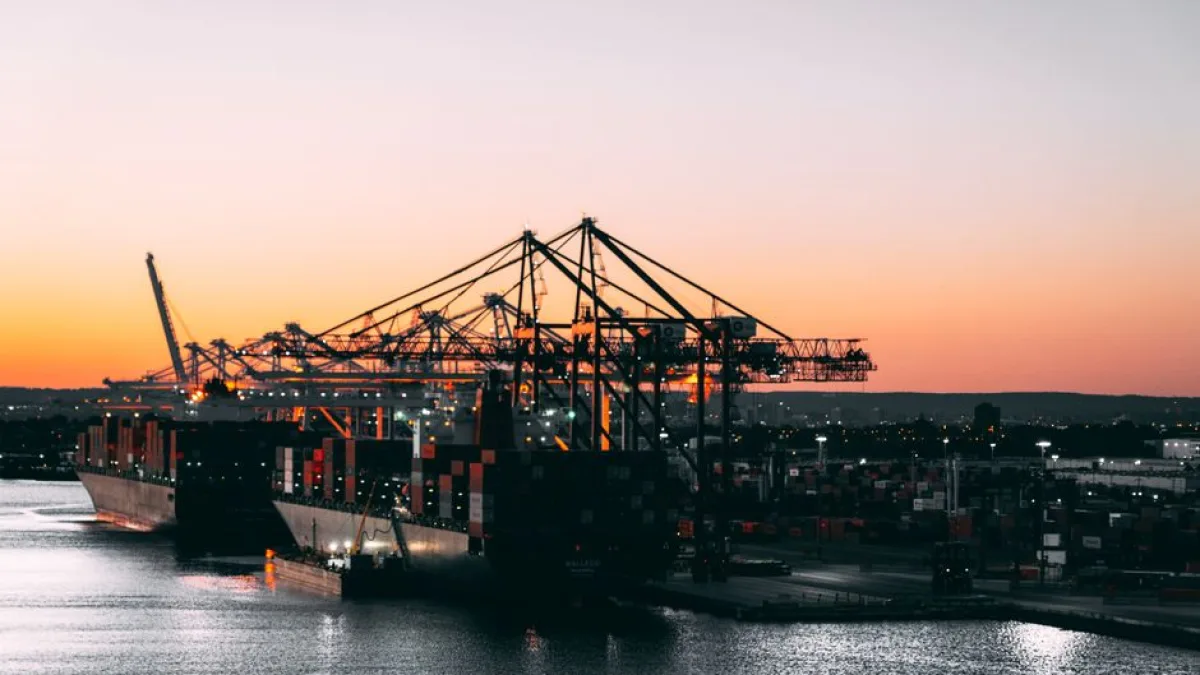
Future-proofing your freight forwarding business requires a dedicated commitment to digital transformation. By automating documentation, prioritizing real-time visibility, and leveraging cloud connectivity, firms can navigate the complexities of international trade with ease. These technological advancements are the key to building resilient supply chains and long-term customer loyalty. Start modernizing your operations today with MakeCargo and position your business for success in the evolving global landscape.