Navigating the Future of Digital Freight Forwarding Efficiency
Tuesday, August 18 2026
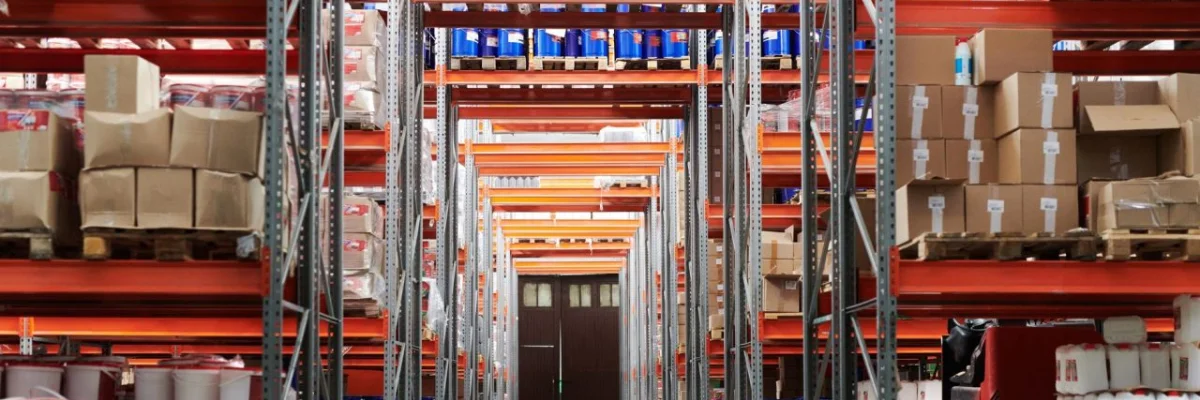
The global logistics landscape is undergoing a massive transformation driven by rapid technological adoption and changing consumer expectations. Freight forwarders are increasingly tasked with managing complex supply chains while maintaining high visibility and cost efficiency in a volatile market environment. As manual processes become obsolete, forward-thinking professionals are turning to cloud-based platforms to automate workflows, reduce errors, and enhance collaboration across international borders. Embracing these digital tools is no longer a luxury but a fundamental requirement for staying competitive in a sector where speed and transparency define the standard for operational success in the modern trade economy.
Optimizing Warehouse Operations

Modern warehouses represent the backbone of efficient freight movement by utilizing smart technology to track inventory levels in real-time. By integrating automated sorting systems and digital scanning tools, forwarders can significantly reduce processing times while minimizing human errors throughout the fulfillment cycle.
- Advanced inventory tracking: Implementing cloud-based software allows teams to monitor stock movements across multiple global locations while ensuring data accuracy for every individual shipment handled within the facility.
- Automated sorting systems: Utilizing robotics and mechanical conveyors helps warehouse staff manage higher volumes of cargo during peak seasons without sacrificing accuracy or increasing the risk of damage.
- Data driven insights: Managers can access deep analytics regarding floor space utilization and throughput speeds, which empowers them to make informed decisions that optimize every square meter available.
- Improved resource allocation: Software platforms allow supervisors to deploy human resources based on real-time task demands, ensuring that labor costs remain aligned with actual workload requirements at all times.
Optimized warehouse operations provide a solid foundation for scaling logistics services as your business expands into new markets. By focusing on precision and automation, forwarders can handle increased cargo volumes with greater confidence. This strategic approach minimizes bottlenecks that typically arise from manual tracking methods and ensures that your internal team remains focused on providing exceptional service to your diverse base of clients.
Enhancing Last Mile Delivery

The final stage of delivery remains a critical touchpoint where customer satisfaction is either won or lost through speed and accuracy. Leveraging optimized routing software helps logistics companies navigate urban environments while reducing fuel consumption and meeting tight delivery windows daily.
- Dynamic route planning: Software algorithms analyze live traffic patterns to provide drivers with the most efficient routes, thereby saving time and reducing fuel costs during busy delivery shifts.
- Real time tracking: Providing customers with live updates regarding their shipment location fosters trust and reduces the volume of support tickets related to missing or delayed cargo.
- Proof of delivery: Digital signatures and photographic evidence captured via mobile devices provide an undeniable audit trail that protects your company from disputes and improves accountability across operations.
- Exception management tools: Intelligent systems automatically alert dispatchers when a delivery is hindered, allowing for rapid problem solving and proactive communication with the end user to minimize frustration.
Mastering last mile delivery involves balancing speed against cost while keeping the customer informed at every step of the journey. By deploying modern software solutions, you can effectively streamline these operations and create a competitive edge in your local market. Such enhancements ensure that your delivery performance remains consistent, ultimately driving higher rates of customer retention and positive word of mouth referrals for your brand.
Digital Documentation Automation

Paperwork remains a significant bottleneck in international shipping due to complex customs regulations and varying documentation requirements across different jurisdictions. Automating these workflows helps forwarders ensure compliance while accelerating the speed at which cargo clears customs and reaches the final destination.
- Standardized data entry: Centralizing document creation within a unified software platform eliminates duplicate data entry and ensures that all stakeholders work from a single, verified version of truth.
- Customs compliance checks: Integrated tools automatically flag missing information or regulatory errors in shipping documents before submission, which helps prevent costly delays at border crossings and major ports.
- Cloud based storage: Storing all shipping manifests and invoices in a secure cloud environment makes retrieval easy during audits and improves overall data organization for your team.
- Electronic signatures: Replacing physical stamps and paper signatures with secure electronic alternatives speeds up the approval process, allowing for faster coordination between shippers, carriers, and consignees internationally.
Transitioning to a paperless environment is a vital step for any logistics company aiming to modernize its internal processes. By reducing the reliance on physical files, you allow your team to reclaim valuable time previously spent on administration. This shift not only improves efficiency but also aligns your business with global sustainability initiatives while creating a more resilient and agile organization ready for challenges.
Strategic Vendor Management

Building strong relationships with reliable carriers and international partners is essential for maintaining a seamless supply chain regardless of global market conditions. Effective management requires constant communication and the use of centralized platforms to evaluate performance against key performance indicators consistently.
- Performance analytics dashboard: Regularly evaluating carrier lead times and service reliability through data dashboards ensures that your team selects the most efficient partners for every unique shipment.
- Unified communication portal: Providing a single space for vendor messaging prevents critical information from getting lost in email chains, which improves clarity and coordination during complex cargo moves.
- Contract management features: Storing service agreements digitally ensures that your team always adheres to negotiated rates and service levels, preventing disputes and protecting your profit margins every month.
- Collaboration tools: Using integrated systems to share shipping schedules with vendors fosters transparency and allows for better planning, which reduces wait times and overall shipping costs throughout operations.
Strategic vendor management transforms how you interact with the broader logistics ecosystem by turning transactional relationships into long term partnerships. When your team uses software to maintain clear communication and high standards, your service reliability increases significantly. This approach mitigates risks associated with market volatility and ensures your operations remain profitable even during the most demanding periods of the global trade cycle today.
Conclusion

Digital transformation is the catalyst for growth in the modern freight forwarding sector. By implementing cloud-based software, professionals can automate manual tasks, enhance visibility, and improve overall service delivery. Embracing these technological advancements allows forwarders to move beyond basic shipping services and provide value-driven logistics solutions. Start your digital transition today to secure a more efficient and profitable future for your logistics operations.