Navigating the Future of Digital Freight Forwarding Efficiency
Friday, August 21 2026
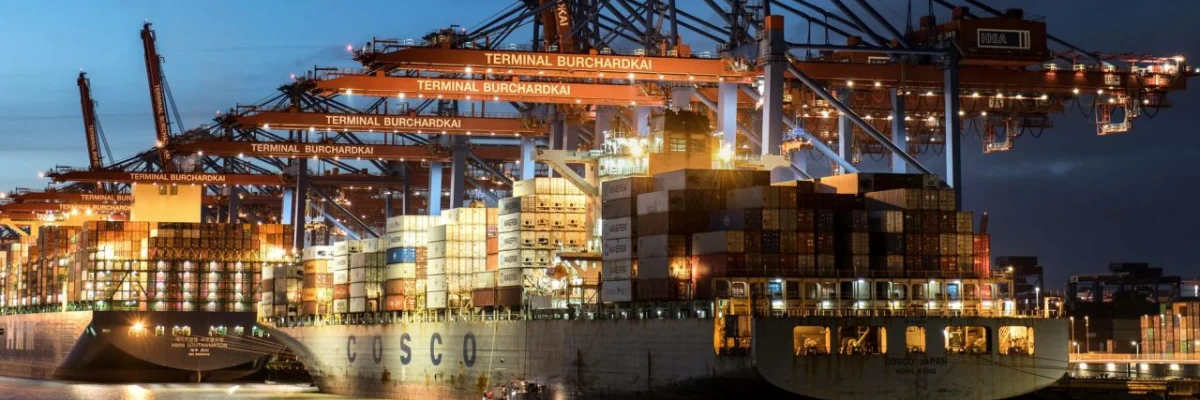
The global logistics landscape is undergoing a profound transformation driven by rapid technological integration and shifting trade dynamics. As freight forwarders face increasing pressure to provide transparent, real-time data to shippers, the adoption of cloud-based platforms has moved from an optional upgrade to a fundamental business necessity. Companies that leverage automation to manage complex documentation and cross-border workflows are finding significant competitive advantages in an otherwise volatile market. Staying ahead requires a deep understanding of current operational trends, software capabilities, and the strategic importance of digitizing end-to-end supply chain visibility to ensure long-term growth and operational resilience.
Automation in Modern Operations
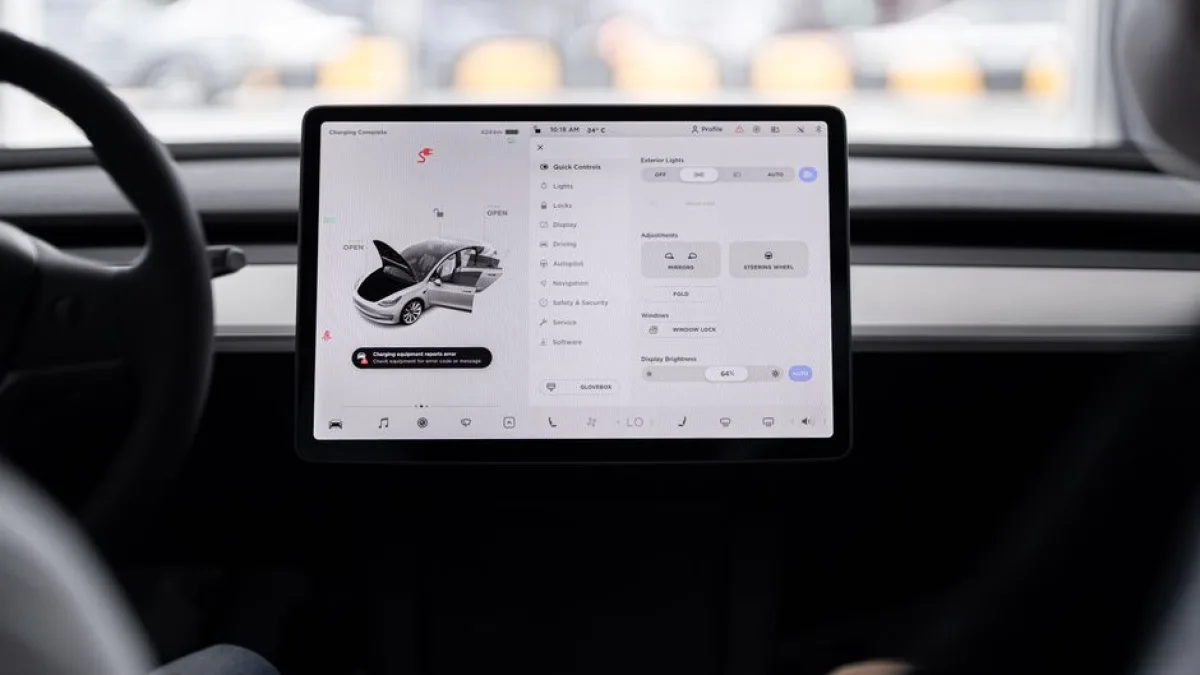
Modern digital tools are revolutionizing how forwarders handle everyday tasks, significantly reducing the manual effort required to manage documentation and booking requests. By automating repetitive administrative duties, teams can focus on high-value client relationships and strategic logistical planning for complex shipping lanes.
- Seamless Data Integration: Modern platforms connect disparate systems to ensure that critical shipment data flows automatically between carriers, customers, and internal departments without any manual entry errors or delays.
- Automated Document Processing: Intelligent software scans and categorizes shipping documents, effectively reducing the time staff members spend on data verification while improving overall accuracy for compliance and customs reporting.
- Real-time Booking Flows: Digital portals allow customers to request quotes and book shipments instantly, which streamlines the inquiry process and reduces the need for constant phone or email communication.
- Workflow Task Management: Automated triggers assign tasks to the correct team members based on shipment status changes, ensuring that no critical deadline is missed during the export process.
By implementing these automated workflows, forwarders can handle higher volumes of shipments without a corresponding increase in overhead costs. This operational shift provides the agility needed to respond to sudden market fluctuations while maintaining service standards. Embracing these technologies empowers teams to move beyond basic data entry, allowing them to focus on proactive supply chain management and delivering superior value to their global clientele base.
Enhancing Global Supply Chain Visibility

Visibility has become the most valuable commodity in international shipping today as shippers demand constant updates on their cargo locations. Providing precise, real-time tracking information builds deep trust and creates a transparent environment that distinguishes top-tier forwarders from their competitors.
- Real-time Tracking Updates: Advanced GPS technology integrated into freight platforms provides accurate location data, enabling forwarders to offer reliable ETAs and proactive delay notifications to their nervous shipping clients.
- Milestone Event Alerts: Automated systems notify stakeholders the moment a container reaches a key transit point, ensuring that everyone remains informed without manual intervention or constant status check inquiries.
- Interactive Digital Portals: Customer-facing dashboards give shippers 24/7 access to their cargo status, reducing the burden on support staff and increasing total client satisfaction across all service levels.
- Exception Management Tools: Predictive analytics identify potential disruptions before they occur, allowing forwarders to reroute cargo or adjust schedules to minimize the impact of port congestion or weather delays.
Achieving total visibility transforms the relationship between the forwarder and the shipper from a transactional one into a strategic partnership. When shippers feel confident in their ability to monitor inventory across the ocean, they become more loyal to their service providers. Investing in these visibility tools is a direct investment in customer retention and sustainable growth in the fast-paced global logistics environment.
Optimizing Customs Compliance Processes

Customs and regulatory compliance remains one of the most complex hurdles for freight forwarders operating in international markets. Utilizing cloud-based software to manage tariff classification and document filing helps avoid costly penalties and prevents shipments from getting stuck at busy border crossings.
- Automated Tariff Updates: Integrated regulatory databases automatically update HS codes and tax requirements, ensuring that forwarders always apply the correct duty rates for every specific shipment and destination.
- Pre-clearance Verification Protocols: Smart software checks all customs documentation for completeness before submission, catching common errors that would otherwise lead to inspection delays or heavy fines from authorities.
- Centralized Document Storage: Secure cloud repositories keep every customs declaration and associated document organized for easy retrieval during audits, maintaining full compliance with international maritime trade regulations consistently.
- Streamlined Duty Calculations: Digital tools instantly calculate total landed costs, including duties and taxes, providing shippers with accurate financial forecasting while simplifying the overall invoice processing for all parties.
Streamlining compliance is essential for maintaining a reputation for reliability in the freight industry. By reducing the frequency of documentation errors and inspection delays, forwarders can guarantee faster transit times for their clients. This focus on accuracy not only protects the business from financial risk but also positions the organization as a dependable partner capable of navigating complex international trade laws with ease.
Scaling Through Cloud Connectivity
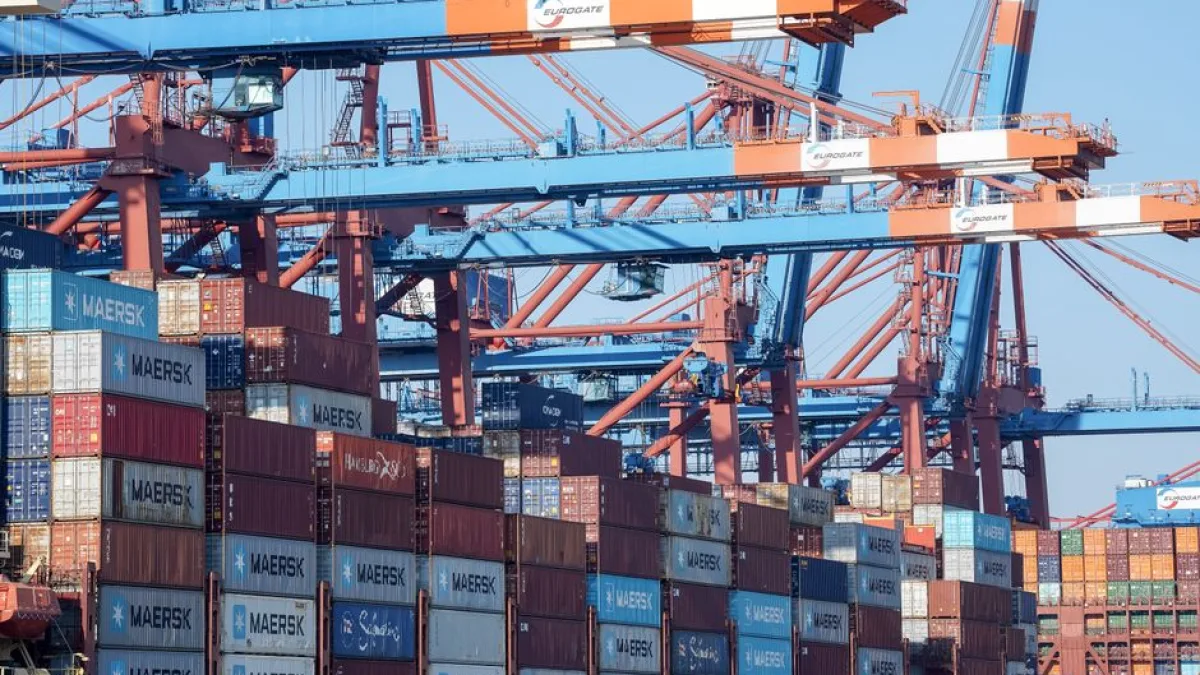
Cloud-based platforms provide the scalability necessary to expand operations across multiple regions without the burden of maintaining expensive local infrastructure. This accessibility ensures that teams can collaborate efficiently from any location, fostering a unified working environment that supports rapid business expansion and remote operations.
- Global Team Collaboration: Cloud platforms allow staff members in different time zones to update shipment statuses in real-time, creating a single source of truth for the entire organization.
- Rapid Onboarding Cycles: Standardized digital processes make it significantly easier to train new employees, allowing forwarders to scale their labor force quickly in response to seasonal shipping demand.
- Secure Data Backups: Cloud-based architecture ensures that all operational data is automatically backed up and protected against local hardware failures or cybersecurity threats, maintaining business continuity at all times.
- Modular Software Expansion: Forwarders can add new features and integrations to their software stack as they grow, ensuring their technology capabilities always align with their current business needs.
Scaling through the cloud is the most effective way to prepare for the future of freight forwarding. As companies take on more complex international projects, having a flexible and powerful digital foundation allows them to maintain high-quality service levels. By leveraging these modern technological advantages, forwarders secure their position at the forefront of the industry while preparing to meet the evolving demands of global trade.
Conclusion

Advancing the technological infrastructure of a freight forwarding business is a critical move toward long-term success. By embracing automation, visibility, and secure cloud connectivity, forwarders can overcome traditional industry challenges and improve their service offerings significantly. The right software partner is essential for modernizing these operations effectively. Take the next step in optimizing your logistics workflows by exploring modern cloud platforms today.