Navigating the Future of Digital Freight Forwarding Efficiency
Thursday, August 27 2026
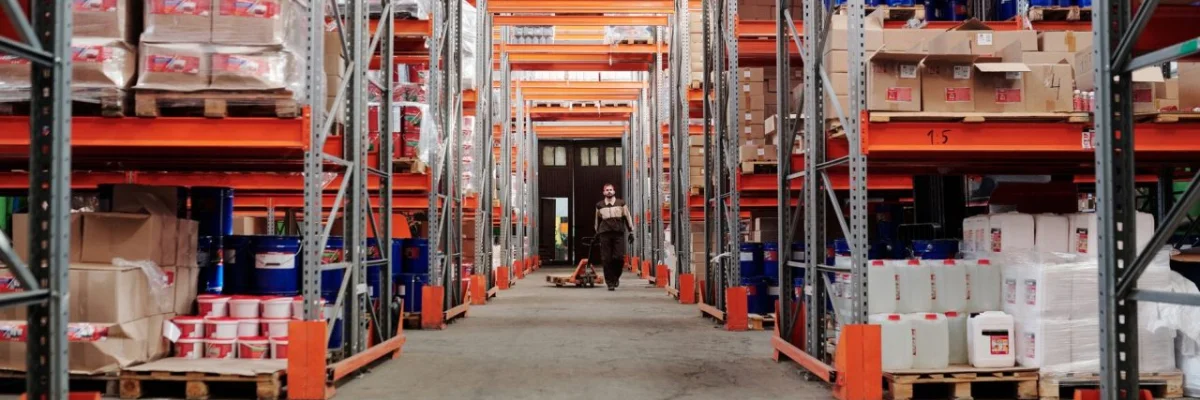
The global logistics landscape is undergoing a profound transformation driven by rapid technological adoption and changing consumer expectations. Freight forwarders are increasingly moving away from legacy manual processes toward integrated digital platforms that offer real-time visibility and automated workflows. As market volatility continues to challenge traditional supply chains, professionals must adapt by leveraging data-driven insights to maintain competitive advantages. This shift towards cloud-based solutions is not merely a trend but a fundamental necessity for companies aiming to scale operations while minimizing overhead costs and reducing the risks associated with human error in documentation management.
Optimizing Global Supply Chain Visibility
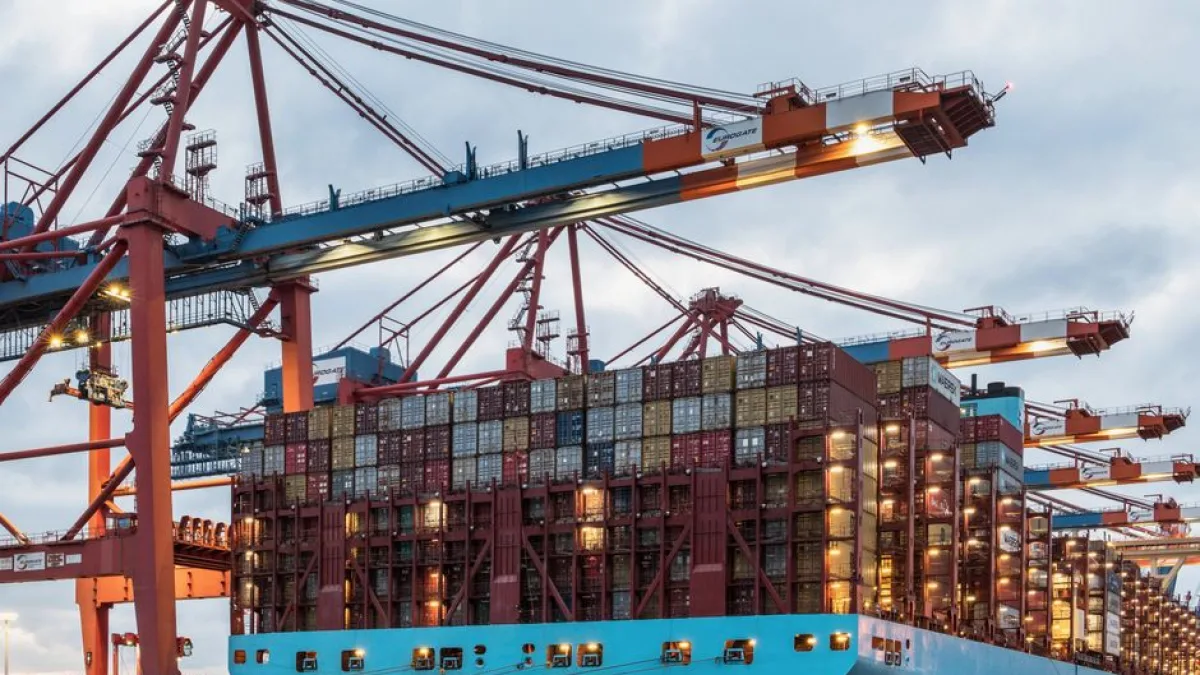
Real-time tracking provides the essential transparency required to manage complex shipments across international borders. By utilizing cloud technology, forwarders can monitor container locations precisely, allowing for proactive communication with clients and stakeholders whenever unexpected disruptions occur within the busy port environment.
- Advanced GPS tracking: Implementing satellite monitoring systems allows teams to pinpoint the exact location of cargo throughout the entire transit process, significantly reducing uncertainty for customers waiting on their shipments.
- Automated milestone updates: Digital platforms trigger automatic notifications when shipments reach key ports, eliminating the need for manual status checks and reducing the administrative burden on your operations team.
- Risk management protocols: Accessing live data streams enables managers to identify potential bottlenecks early, allowing for quick rerouting strategies that prevent costly delays in the delivery of critical freight.
- Stakeholder communication hubs: Centralized platforms provide a single source of truth for all parties involved, ensuring that every participant remains informed regarding delivery schedules and operational change requests.
Adopting these visibility tools transforms how teams manage their daily operations. By centralizing information, staff members can focus on solving high-value logistical problems rather than spending hours chasing status updates across various disconnected systems. This transition creates a leaner, more responsive organization capable of navigating market unpredictability with confidence. Ultimately, investing in better visibility is the most effective way to improve long-term client retention and operational performance.
Streamlining Complex Customs Documentation

Managing customs compliance remains a major hurdle for logistics firms dealing with strict international trade regulations. Modern software solutions simplify this process by digitizing paperwork, ensuring that all necessary declarations are filed accurately and on time to avoid costly shipping fines.
- Automated compliance checks: Intelligent software scans every document for errors against current international regulations, preventing issues before they arise and ensuring that shipments move through customs without unnecessary delays.
- Electronic data integration: Seamlessly connecting your platform with government portals allows for the instant transmission of required forms, which drastically speeds up the clearance process for international cargo.
- Centralized document storage: Keeping all relevant trade documents in a secure cloud repository makes auditing simple and ensures that your team always has access to the latest files.
- Standardized data entry: Utilizing templates for recurring shipments reduces the chance of manual errors while increasing the speed of creating bills of lading and commercial invoices for clients.
Precision in documentation is the backbone of efficient freight forwarding operations in today's globalized economy. By minimizing the time spent on repetitive data entry, your staff can shift their attention toward more strategic tasks. Digital systems provide the reliability required to maintain compliance across diverse jurisdictions, protecting your reputation while keeping the global supply chain moving forward without any significant interruptions or regulatory obstacles.
Leveraging Data for Strategic Decision Making

Data analytics now play a critical role in forecasting market trends and improving profit margins. Freight forwarders who utilize cloud platforms can generate detailed reports that highlight shipping patterns, carrier performance, and cost variances, providing the foundation for more intelligent business strategy decisions.
- Performance metric analysis: Reviewing carrier reliability data helps forwarders select the best partners for specific routes, ensuring that service quality remains high while keeping transportation costs strictly within project budgets.
- Financial forecasting models: Accessing historical shipping data allows managers to predict seasonal volume fluctuations, enabling better planning for resource allocation and carrier capacity during peak trading periods.
- Cost reduction strategies: Detailed breakdown reports identify hidden expenses in the shipping process, giving companies the actionable insights needed to renegotiate contracts and improve overall bottom-line profitability.
- Client trend identification: Monitoring how shipping needs change over time helps firms anticipate future service requirements, allowing for the proactive development of new offerings that meet customer demands.
Harnessing the power of your internal data is essential for maintaining a competitive edge in a crowded market. By moving past gut-feeling decisions toward evidence-based strategies, companies can optimize their route planning and carrier selection processes effectively. Continuous improvement stems from understanding the metrics that drive success, and modern software makes gathering these critical insights easier than ever for busy logistics professionals everywhere.
Enhancing Operational Efficiency Through Integration
Integrating various software tools into a single ecosystem creates a seamless workflow that connects sales, operations, and accounting departments. This holistic approach eliminates data silos, ensuring that everyone in the organization is working from the same information set to achieve common corporate goals.
- Seamless API connectivity: Linking your freight software with accounting and CRM platforms ensures that invoice creation and client data management occur automatically without the need for manual re-entry.
- Team collaboration tools: Built-in messaging and task assignment features keep all departments aligned on project progress, fostering a culture of transparency and shared accountability within your organization.
- Workflow automation triggers: Setting up conditional workflows helps handle repetitive tasks like invoice generation or automated email updates, freeing up human workers to solve complex logistics problems daily.
- Scalable cloud architecture: Cloud solutions allow your team to access essential shipping data from any location, supporting remote work environments while ensuring high availability of critical infrastructure.
Connectivity is the driving force behind modern logistics efficiency and long-term organizational success. When software systems work together harmoniously, the resulting reduction in manual labor leads to faster processing times and happier customers. By prioritizing integration, forwarders build a robust foundation that can handle increased shipment volumes without requiring a proportional increase in administrative staff, ultimately driving sustainable growth and operational excellence across the enterprise.
Conclusion
Successfully adapting to the digital shift requires a commitment to adopting modern technology that simplifies complex logistics workflows. By focusing on visibility, documentation, analytics, and software integration, forwarders can position themselves as leaders in a fast-paced market. Start your digital transformation today to ensure your company remains agile, efficient, and profitable amidst the constant changes defining the global freight forwarding industry for the future.