Navigating the Future of Digital Freight Forwarding Efficiency
Thursday, August 27 2026
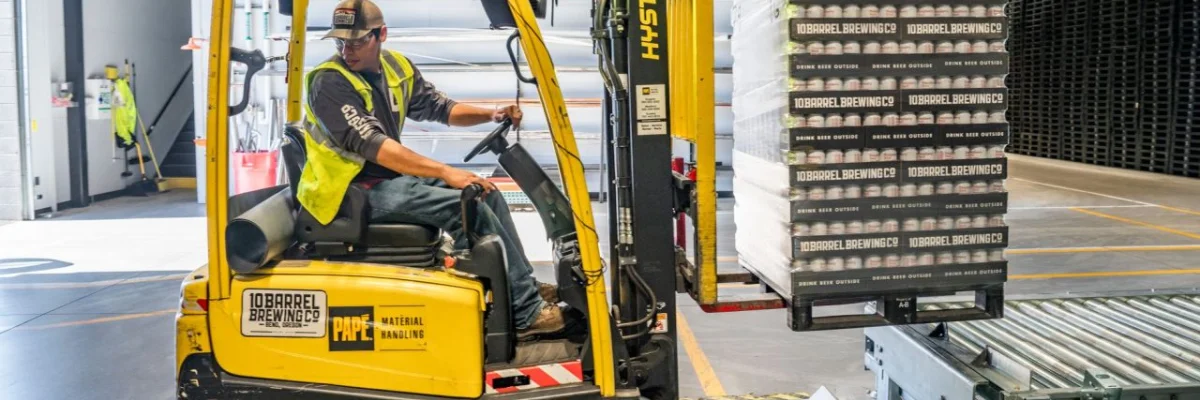
The global logistics landscape is undergoing a massive transformation driven by rapid technological adoption and changing consumer expectations. Freight forwarders are currently at a pivotal crossroads where traditional manual processes are being replaced by integrated cloud solutions to manage complex supply chains. As margins tighten and shipment visibility becomes a primary requirement for shippers, digital agility is no longer just a competitive advantage but a fundamental necessity for survival. This article examines how forwarders can leverage modern software tools to optimize their operations, reduce overhead costs, and deliver superior service in an increasingly unpredictable international trade environment.
Optimizing Warehouse Operations

Modern warehouses act as the nervous system for global trade flows, requiring precision and speed. By integrating automated software solutions, freight forwarders can effectively track inventory movements, reduce handling errors, and improve the overall throughput of goods moving through diverse regional storage facilities.
- Real-time inventory tracking: Implementing cloud-based inventory systems allows teams to monitor stock levels across multiple locations simultaneously, ensuring that warehouse personnel can respond immediately to shifting client demands and cargo volumes.
- Automated sorting processes: Advanced sorting technologies minimize human error during the picking and packing stage, leading to higher accuracy rates and significantly faster turnaround times for high-volume shipment distribution cycles.
- Space optimization software: Intelligent algorithms analyze warehouse layouts to determine the most efficient storage strategies, which maximizes vertical capacity and reduces the total footprint required for storing diverse cargo types.
- Integrated communication tools: Connecting warehouse management systems with logistics platforms ensures that staff receive instant notifications regarding incoming shipments, enabling smoother transitions from arrival to final cross-docking or distribution tasks.
Efficient warehouse management serves as the backbone of successful supply chain operations for freight forwarders. By embracing digital integration, businesses can drastically lower operational costs while boosting their internal productivity levels. When inventory data flows seamlessly into logistics software, teams avoid costly bottlenecks that frequently disrupt global distribution. Prioritizing these technological upgrades today prepares firms for the inevitable scaling requirements of tomorrow's expanding trade markets.
Digital Customs Compliance

Customs procedures represent the most complex regulatory hurdle in international freight forwarding. Leveraging software for automated documentation ensures compliance with evolving trade laws while reducing the significant risk of delays, heavy penalties, or lengthy cargo holds at borders.
- Automated duty calculation: Built-in software features automatically calculate applicable duties and taxes based on specific HS codes, which helps forwarders avoid costly billing errors and prevents unexpected fiscal surprises.
- Electronic document submission: Modern platforms facilitate the direct digital transfer of essential paperwork to government customs portals, accelerating the clearance process and reducing reliance on slow physical paper trails.
- Regulatory database updates: Staying compliant is easier when software providers push regular updates regarding international trade policy changes, ensuring that all submissions adhere to the latest legal requirements worldwide.
- Risk management alerts: Proactive monitoring tools flag potential compliance issues before they become critical problems, allowing customs brokers to address documentation discrepancies well before cargo reaches a port.
Navigating customs regulations requires a proactive approach that prioritizes precision over speed. Digital tools now offer the structural reliability needed to manage complex border documentation without constant manual oversight. By reducing human error and staying ahead of regulatory updates, forwarders protect their clients from unnecessary delays. These technological investments create a reliable framework for international expansion, ultimately building trust through consistent, professional service delivery.
Visibility for Global Shippers
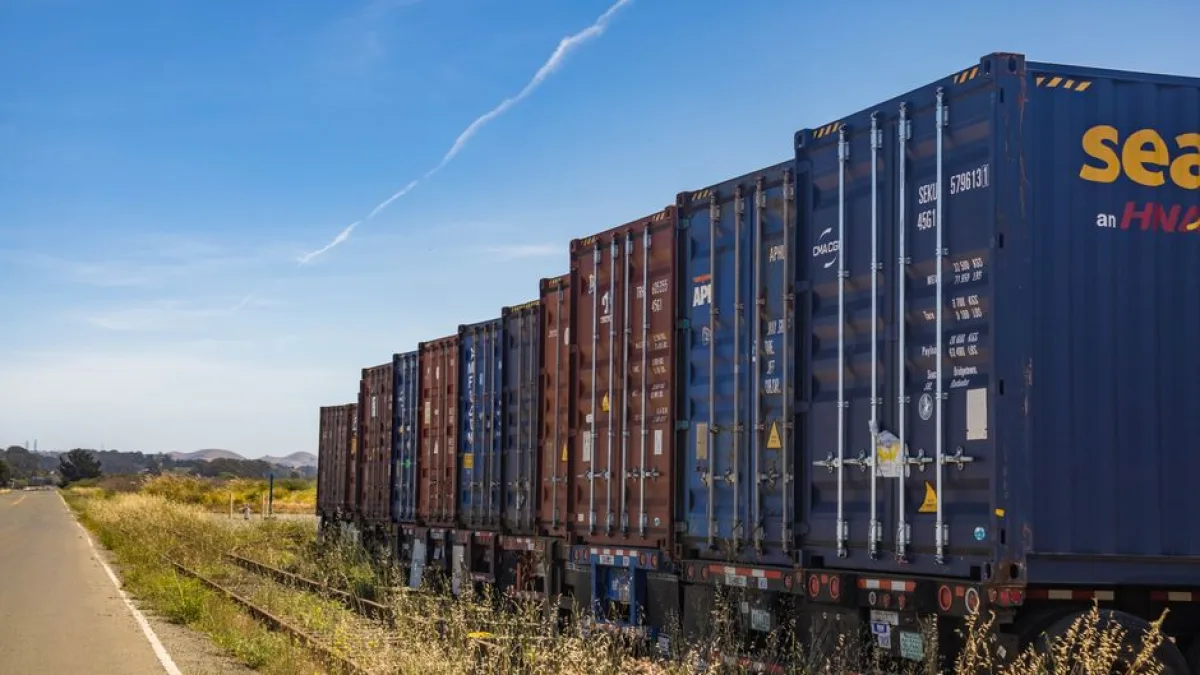
Transparency has become the most sought-after feature for modern shippers who demand constant updates. Providing a granular view of shipment status through cloud portals transforms client relationships by offering clarity during every single stage of the transportation journey.
- Live tracking portals: Providing customers with secure access to live shipment locations empowers them to track their cargo from origin to destination without needing to contact support teams.
- Automated status updates: Configurable email and text notifications keep stakeholders informed about milestone changes, which reduces the volume of repetitive inquiry calls reaching your dedicated customer service staff.
- Predictive delay warnings: Machine learning modules analyze weather and port congestion data to notify shippers about potential risks, allowing for contingency planning before a delay impacts a timeline.
- Document access portals: Giving clients instant access to invoices and bills of lading through an online dashboard creates a professional experience that enhances overall brand loyalty and satisfaction.
Real-time visibility is the primary metric by which modern shippers measure the value of their freight forwarders. By utilizing integrated software that automatically pushes data to clients, firms can differentiate themselves in a crowded marketplace. This level of transparency not only improves client trust but also empowers forwarders to spend less time on status updates and more time solving complex logistics challenges.
Automating Financial Processes

Manual billing is a slow process that often leads to significant revenue leakage in freight forwarding. Digitizing the financial workflow creates a streamlined path from quoting to invoicing, ensuring that cash flow remains consistent and accurate across all active accounts.
- Instant quote generation: Providing customers with instant, automated quotes based on current market rates increases conversion speed and captures leads before they move on to competitors' platforms.
- Streamlined invoice matching: Automated systems reconcile vendor invoices against original quotes to ensure that costs remain within expected margins, which protects the firm from accidental overbilling or revenue loss.
- Currency conversion modules: Handling payments in multiple currencies becomes much simpler with automated exchange rate calculations, reducing the risk of profit erosion due to fluctuating global market values.
- Digital payment integration: Offering seamless online payment options allows clients to settle invoices instantly, which improves the firm's cash cycle and reduces the effort required for debt collection.
Financial automation is the final piece of the digital puzzle for modern freight forwarders. By removing manual entry tasks from the billing cycle, companies can focus their human resources on high-value strategy and relationship management. These streamlined processes ensure that the business remains financially resilient while providing clients with a professional and reliable experience that encourages long-term partnerships and sustainable company growth.
Conclusion

Adopting integrated software is no longer optional for firms aiming to lead in the competitive freight forwarding sector. By digitizing warehouse operations, customs compliance, client visibility, and financial workflows, your company gains the agility required to thrive in a global market. Evaluate your current systems today to see where MakeCargo can help you streamline operations, improve service delivery, and boost your overall profit margins.