Navigating the Future of Digital Freight Forwarding Efficiency
Sunday, August 30 2026
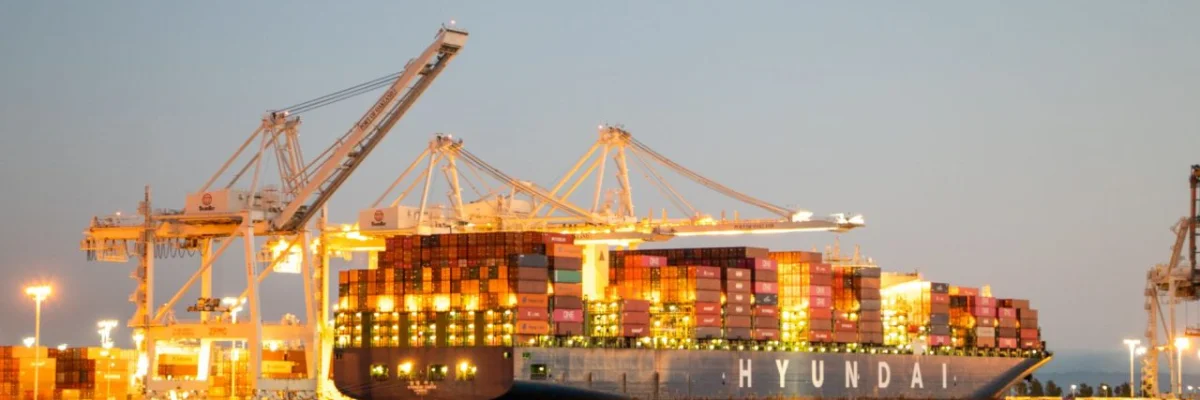
The global logistics landscape is undergoing a massive transformation driven by rapid technological adoption and changing consumer expectations. Freight forwarders are currently facing pressure to modernize operations while managing complex supply chain disruptions and volatile shipping rates. By leveraging cloud-based platforms and real-time data analytics, businesses can move beyond traditional manual workflows to achieve unprecedented levels of agility. This shift is not just about keeping pace with competitors but about creating a resilient foundation for long-term growth in a digital-first economy where transparency, speed, and accuracy define the ultimate success of international trade operations.
Optimizing Modern Port Operations
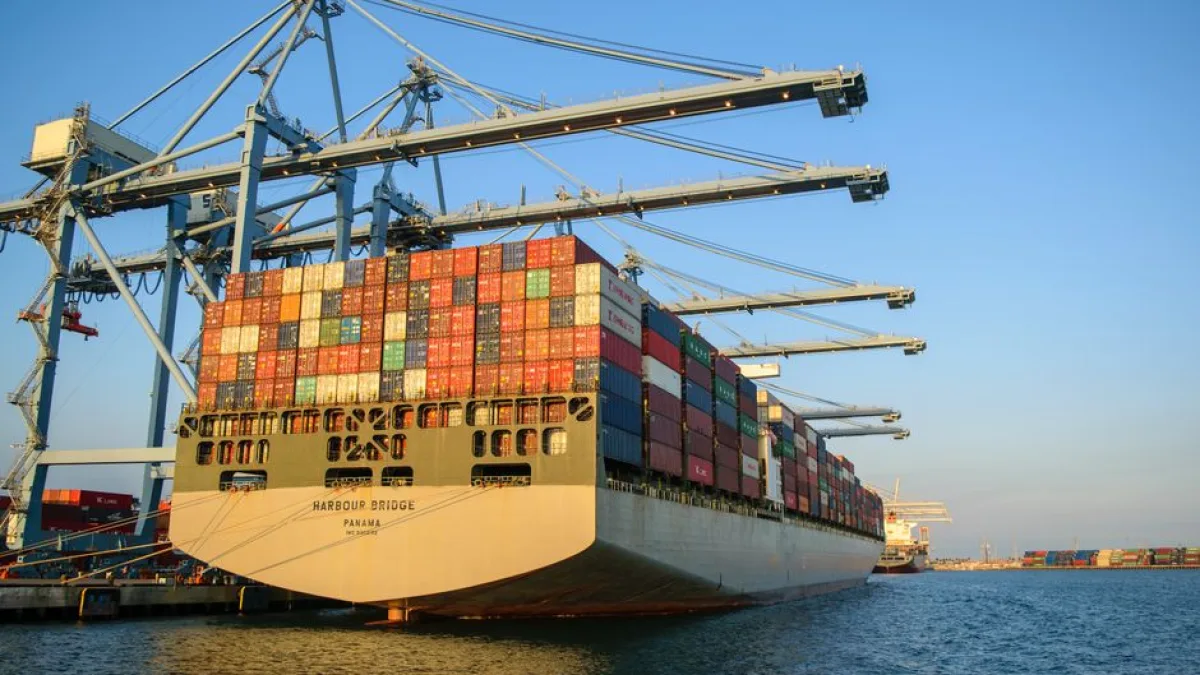
Port terminals are rapidly integrating automated systems to manage the surge in container traffic effectively. As efficiency becomes the primary metric for terminal success, forwarders must synchronize their digital tracking systems with port data feeds to ensure seamless handoffs and reduced dwell times.
- Real-time vessel tracking: Advanced satellite technology allows forwarders to monitor vessel locations precisely, providing clients with proactive updates regarding potential arrival delays or schedule adjustments that impact downstream supply chain planning activities.
- Automated gate processing: Integrated software solutions communicate directly with port terminal operating systems to automate gate entry, significantly reducing truck turnaround times and improving the flow of goods through congestion zones.
- Digital documentation exchange: Eliminating paper-based processes by digitizing bills of lading and customs declarations ensures that port authorities receive accurate data immediately, preventing costly bottlenecks during the customs clearance process.
- Predictive congestion monitoring: Data-driven platforms analyze historical traffic patterns to forecast terminal congestion, allowing freight forwarders to reroute shipments and avoid peak hours for faster pickup and delivery of critical cargo.
By prioritizing the adoption of integrated port management tools, companies can drastically lower their operational overhead. This strategic investment in technology allows teams to focus on high-value tasks rather than manual data entry. As ports continue to evolve into smart hubs, digital connectivity becomes the bridge that secures a competitive advantage, ensuring that shipments move through the system with minimal friction and maximum reliability for customers.
Enhancing Supply Chain Transparency
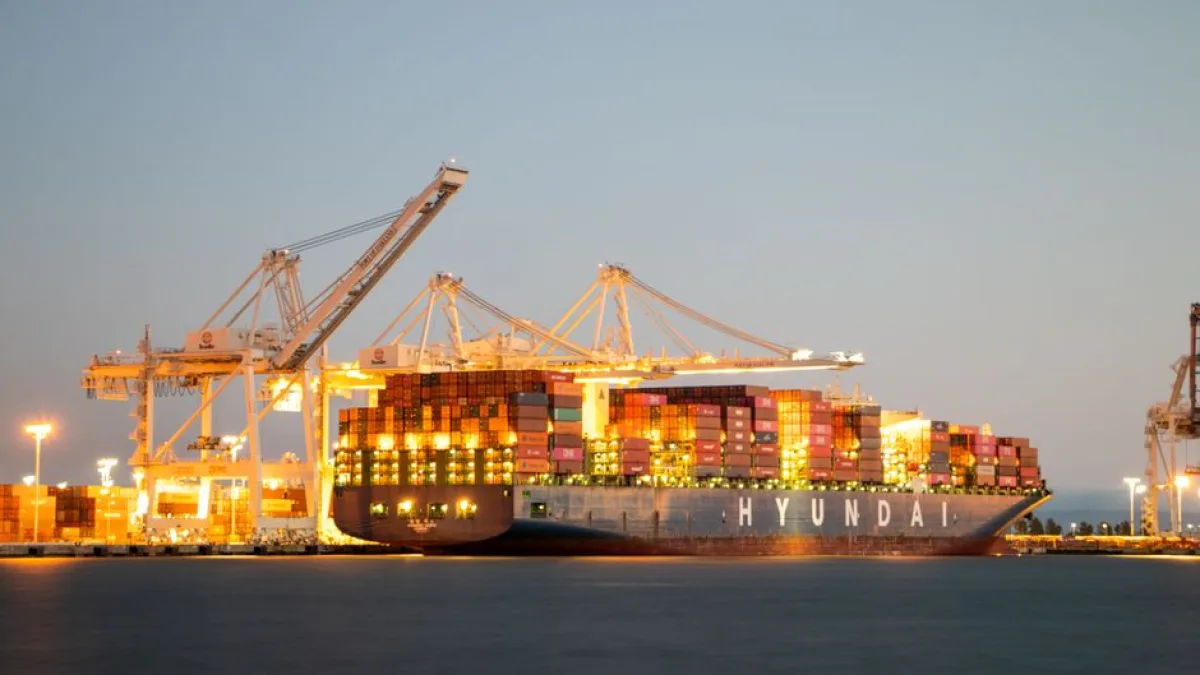
Transparency serves as the cornerstone of customer trust in the modern freight industry. Providing clients with a clear view of their cargo location throughout the journey is no longer a premium feature but a basic expectation for all logistics service providers.
- End-to-end visibility: Cloud platforms aggregate multi-modal tracking data into a single dashboard, enabling stakeholders to monitor every stage of a shipment from the warehouse floor to the final destination point.
- Proactive anomaly alerts: Smart systems automatically detect shipment deviations or potential risks, sending instant notifications to logistics managers so they can implement corrective actions before problems escalate into major delays.
- Client portal access: Providing customers with 24/7 access to their own shipment data reduces the volume of status inquiry emails, allowing your support staff to focus on strategic client relationship management.
- Data-driven performance reports: Automated reporting tools generate comprehensive analytics regarding transit times and carrier reliability, helping companies make informed decisions based on hard data instead of relying on outdated manual estimations.
Transparent communication builds lasting partnerships in an industry often plagued by uncertainty and hidden costs. By empowering clients with granular visibility, forwarders establish themselves as reliable partners who prioritize accountability. This shift toward complete transparency not only improves customer satisfaction scores but also drives internal operational efficiency, as teams spend less time searching for information and more time optimizing overall logistics strategies for their clients.
Leveraging Automated Customs Clearance

Customs compliance remains one of the most complex aspects of international freight forwarding, requiring constant attention to changing regulations and document requirements. Automating these workflows minimizes the risk of human error and helps companies avoid expensive penalties or unexpected cargo holds.
- Automated duty calculation: Built-in tariff databases allow software to calculate duties and taxes instantly, ensuring that all financial projections for shipments remain accurate throughout the entire transit and clearance process.
- Standardized data entry: Software templates force consistent formatting for all shipping documents, which helps customs authorities process declarations faster and reduces the likelihood of rejections due to minor clerical errors.
- Compliance tracking updates: Digital systems provide real-time alerts regarding changes in international trade laws, ensuring that forwarders stay compliant with global regulations regardless of the jurisdictions involved in the transit path.
- Cloud document storage: Centralized digital repositories make it easy to retrieve essential customs documents during audits, protecting the company from compliance risks and streamlining the entire record-keeping process for legal teams.
Automated customs processes are essential for scaling operations without increasing headcount proportionally. By offloading repetitive filing tasks to intelligent software, forwarders can handle higher volumes of international trade with greater precision and speed. This focus on compliance-first technology shields the company from regulatory hurdles and provides the necessary speed to clear goods through borders efficiently, keeping global supply chains moving without unnecessary interruptions or delays.
Strategic Growth Through Digital Tools

Long-term growth in the freight sector depends on how effectively a company utilizes software to manage its expansion. Scaling a business requires robust tools that can handle increased cargo volumes while maintaining the high service levels that modern customers demand consistently.
- Seamless system integration: Modern logistics platforms offer open APIs that connect with existing accounting or CRM systems, creating a unified ecosystem that eliminates data silos and improves overall organizational agility.
- Scalable cloud infrastructure: Cloud-based software grows alongside your business, allowing you to add users and manage increasing volumes without needing heavy hardware investments or complex on-site server management infrastructure.
- Enhanced financial forecasting: Integrated dashboards track profit margins per shipment, providing leadership teams with the insight required to identify profitable trade lanes and optimize pricing strategies for future business development.
- Resource allocation optimization: Advanced planning tools help managers distribute workloads effectively across teams, ensuring that staff members remain productive while maintaining the high quality of service required for complex cargo.
Strategic growth is achieved by replacing intuition with actionable intelligence. When freight forwarders utilize integrated digital tools, they gain the ability to scale their operations confidently in a dynamic market. By focusing on data-driven decision making and streamlined workflows, firms can navigate future industry challenges with agility. Investing in these digital foundations ensures your business remains competitive, scalable, and fully prepared for changing global trade conditions.
Conclusion
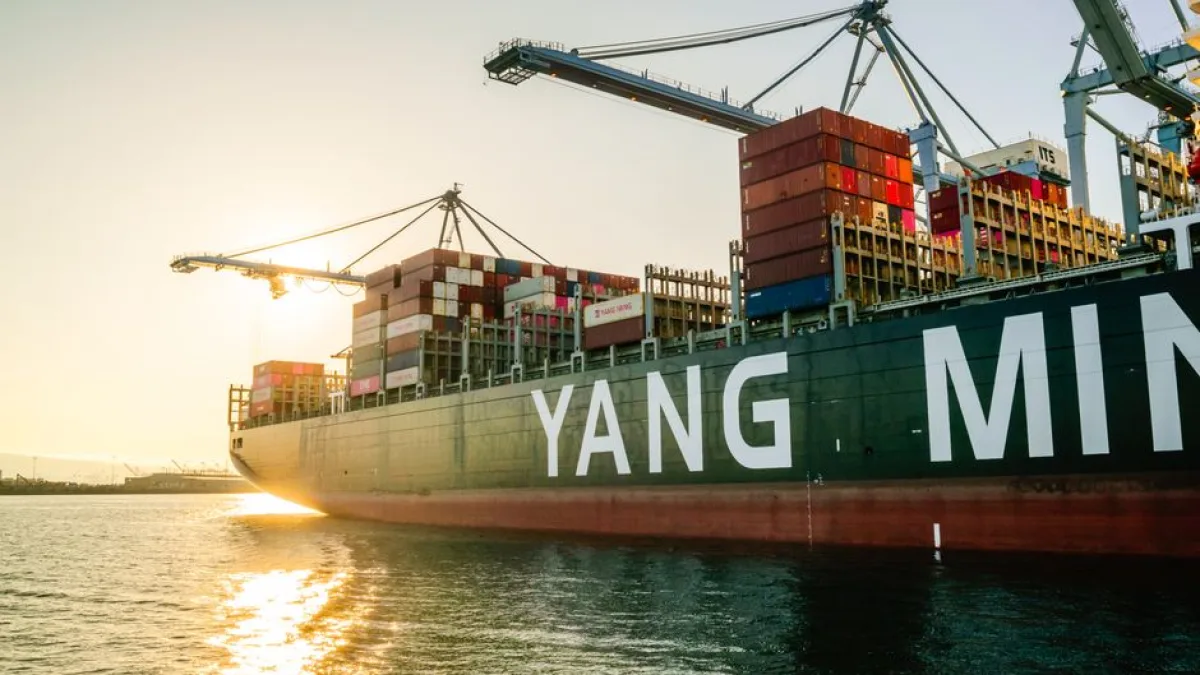
Modernizing your freight forwarding business is a continuous process that requires a commitment to digital excellence. By embracing automation, visibility, and data-driven insights, professionals can overcome traditional hurdles and foster long-term resilience. Start exploring cloud-based solutions today to streamline your operations and deliver superior service to your global client base, ensuring your company thrives in the evolving and highly competitive world of international logistics.