Navigating the Future of Digital Freight Forwarding Efficiency
Tuesday, September 1 2026

The global logistics landscape is undergoing a rapid transformation as digital adoption becomes the primary differentiator for successful freight forwarders. Companies are no longer competing solely on shipping rates, but on the visibility, transparency, and speed they provide to their clients. As manual processes give way to automated workflows, forwarders who leverage cloud-based platforms are finding themselves better equipped to handle volatile market demands. This article explores how modern software integration is reshaping operations and providing a significant competitive advantage in an increasingly complex international supply chain environment where real-time accuracy determines long-term business sustainability and client trust.
Optimizing Supply Chain Visibility
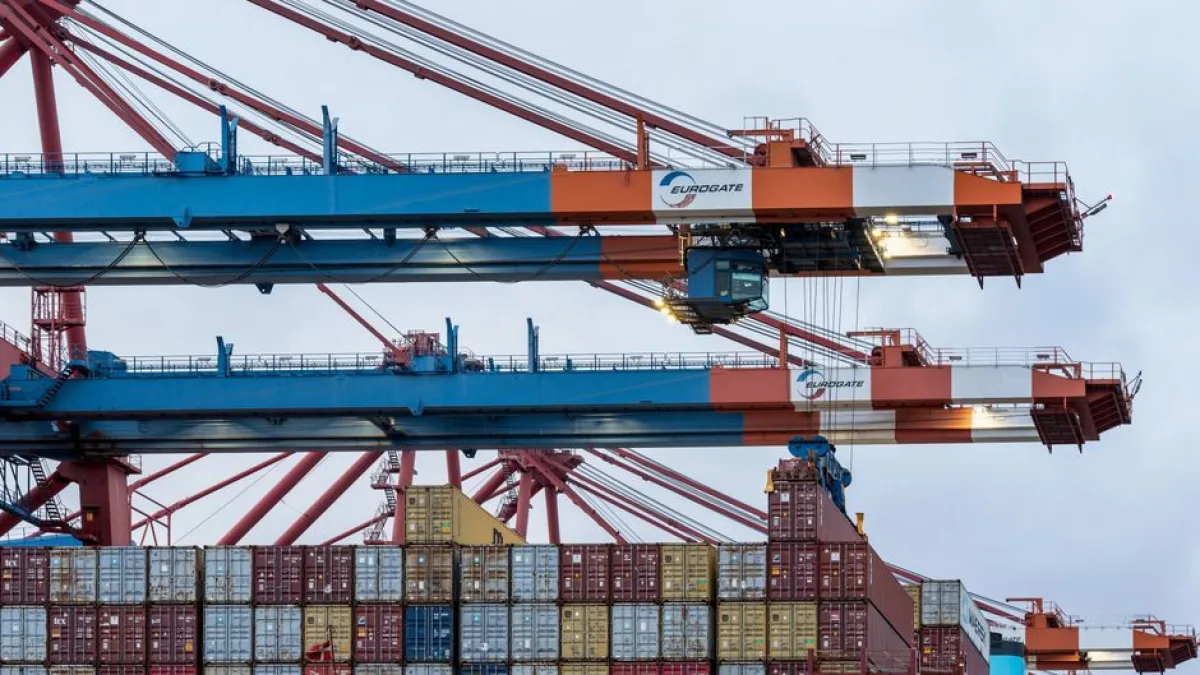
Real-time tracking provides a comprehensive view of cargo movement across diverse global networks. By integrating live data streams into your core operations, you remove the guesswork and provide stakeholders with the reliable information they need to manage their inventory and shipping timelines effectively.
- Automated Tracking Updates: Advanced software solutions pull data directly from carriers to notify your team and clients of status changes, reducing manual data entry and preventing critical information gaps.
- Predictive Arrival Alerts: Predictive analytics allow freight forwarders to anticipate delays before they happen, enabling proactive communication and alternative planning to maintain tight shipment schedules for your customers.
- Client Portal Access: Providing a secure web portal gives your clients autonomy to check their shipment progress, significantly reducing the volume of routine status inquiries directed at staff.
- Unified Data Dashboards: Centralizing fragmented data points into a single dashboard helps managers identify bottlenecks and optimize internal processes for improved resource allocation and overall operational throughput.
Achieving total visibility transforms your business model from a reactive service provider into a strategic supply chain partner. When you offer consistent, accurate insights, you foster deeper client loyalty and differentiate your brand in a crowded market. This structural shift towards transparency is not merely a technological upgrade but a fundamental requirement for maintaining a high service standard in modern global trade logistics today.
Streamlining Documentation Workflows

Paperwork remains a significant hurdle in global logistics, often causing delays at ports and customs. Digitizing your documentation process with secure cloud platforms ensures that every bill of lading, invoice, and clearance form is accessible, accurate, and ready for immediate electronic submission.
- Electronic Document Storage: Moving files to a secure cloud server eliminates the risk of physical document loss and ensures that all team members access the most current versions.
- Standardized Template Creation: Creating reusable templates for recurring shipping documents saves your team hours of repetitive work while ensuring consistency across all client accounts and international requirements.
- Integrated Signature Capture: Secure electronic signature features expedite the approval process for essential legal documents, removing the need for printing, scanning, or mailing physical copies to distant partners.
- Automated Compliance Checking: Intelligent software can flag missing information or regulatory errors in your paperwork, ensuring that every shipment complies with destination requirements before leaving the warehouse dock.
Implementing digital workflows removes the friction that often hinders the movement of international freight. By reducing manual data entry errors and accelerating processing times, you create a more agile organization capable of handling larger shipment volumes with your existing staff. Embracing this shift improves your bottom line by lowering administrative costs while simultaneously speeding up the overall fulfillment cycle for every individual customer.
Integrating Freight Management Software

Integration is the backbone of a successful digital strategy for modern logistics firms. Connecting your freight software with accounting, CRM, and carrier platforms creates a unified ecosystem that eliminates data silos and ensures that everyone operates from a single source of truth.
- Accounting System Sync: Automated synchronization between your forwarding platform and accounting software ensures that invoices are generated accurately, minimizing payment delays and improving your overall cash flow management.
- API Carrier Connections: Building direct API links with international carriers allows for seamless data exchange, providing you with real-time rate quotes and booking capabilities inside your dashboard.
- Customer Relationship Management: Linking your logistics software to a CRM enables your sales team to view shipment histories and preferences, leading to highly personalized services and better retention.
- Scalable System Infrastructure: Cloud-based platforms offer the flexibility to add new modules or users as your business grows, ensuring that your technical setup remains relevant for years.
When systems talk to each other effectively, the entire business runs smoother and faster. You save valuable time by not having to switch between multiple applications to complete a single task. This integrated approach allows your team to focus on solving complex logistical challenges instead of managing software limitations, ultimately creating a more robust and responsive service for all your global clients.
Enhancing Customer Communication

Communication defines the quality of your client experience. In an industry where problems can arise unexpectedly, the ability to maintain clear, consistent, and proactive contact with your customers is what turns a one-time shipment into a long-term, high-value business partnership.
- Automated Notification Systems: Setting up triggered notifications for major milestones ensures that clients stay informed without requiring your staff to write manual status emails for every step.
- Secure Messaging Channels: Utilizing encrypted messaging within your platform protects sensitive shipment data and provides a clear, searchable history of all conversations between your firm and clients.
- Real-time Problem Resolution: When issues arise, having instant access to all shipment records allows your team to provide immediate, accurate answers that calm concerns and maintain confidence.
- Feedback Loop Integration: Implementing simple survey tools after shipment completion helps you gather client sentiment, allowing for continuous service improvements based on direct feedback from your users.
Effective communication builds the trust that acts as the foundation for your logistics brand. By using technology to provide better service, you make your company an indispensable partner in the success of your clients. This professional approach to client relations not only simplifies your internal management but also creates a competitive edge that keeps your forwarding business growing in the long term.
Conclusion

Digital transformation is the engine driving the next decade of freight forwarding excellence. By focusing on visibility, automation, and system integration, your company can overcome common operational hurdles and deliver superior value to your global clients. Start auditing your current workflows today to identify where technology can bridge the gaps. Elevate your logistics operations now by choosing a comprehensive, cloud-based platform for MakeCargo.