Navigating the Future of Digital Freight Forwarding Efficiency
Thursday, September 3 2026
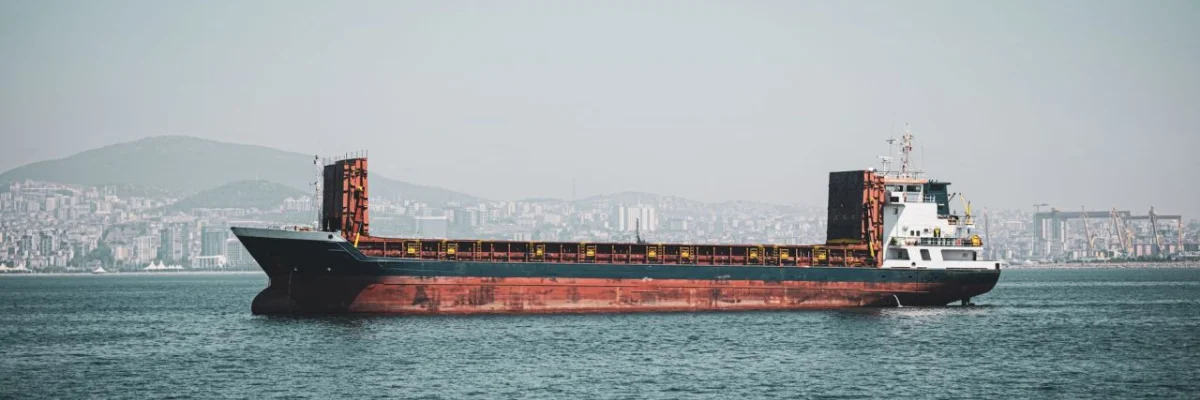
The global logistics landscape is undergoing a profound transformation driven by rapid technological integration and shifting trade dynamics. Freight forwarders today face the dual pressure of increasing shipment complexity and rising customer expectations for real-time visibility. Embracing cloud-based platforms is no longer a strategic advantage but a fundamental requirement for survival in a competitive market. By centralizing operations and automating routine tasks, forwarders can reclaim valuable time to focus on high-value client relationships. As we look toward the coming fiscal year, professionals must adapt to these digital currents to ensure operational resilience and long-term business sustainability in a crowded industry.
Modernizing Port Operations
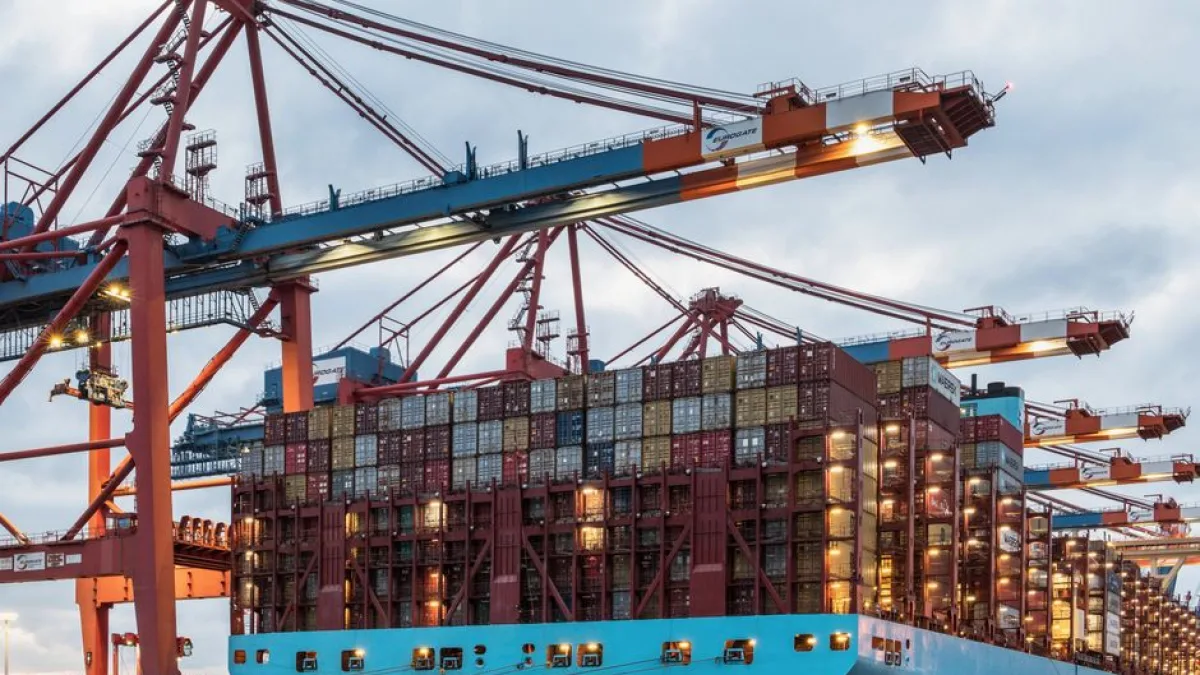
Port logistics have evolved into the beating heart of international supply chains. Modern software solutions now allow operators to track inventory arrivals with pinpoint accuracy, significantly reducing dwell times and ensuring that terminal productivity remains at its peak despite rising global trade volumes.
- Automated Gate Processing: Implementing digital gate management systems accelerates vehicle throughput by validating documents instantly, which minimizes congestion and reduces the manual administrative burden currently placed on your dock office staff.
- Real-time Terminal Updates: Integrating live data feeds from major port authorities enables your team to anticipate delays before they impact delivery schedules, ensuring proactive communication with your key shipping clients.
- Enhanced Yard Visibility: Advanced software tools provide a comprehensive view of container placement, allowing operators to locate specific units quickly and optimize the overall movement of cargo within terminal grounds.
- Digital Documentation Flows: Transitioning from paper-heavy processes to cloud-based systems removes human error, ensuring that critical compliance files are always accessible, accurate, and ready for rapid customs inspections at ports.
Optimizing port interactions is essential for maintaining a competitive edge in today's fast-paced shipping environment. By leveraging smart technology to manage the flow of goods at key transit points, forwarders can ensure that their logistics network remains agile and responsive. These digital improvements directly translate to faster turnaround times, satisfied end customers, and a more streamlined approach to managing complex global supply chain logistics every day.
Data Driven Logistics Decisions

Data is the currency of modern freight forwarding. Companies that effectively harness analytical insights gain a significant advantage in market forecasting and capacity management, allowing leaders to make informed, strategic choices that drive profitability while mitigating potential financial risks across operations.
- Predictive Capacity Planning: Utilizing historical shipment data allows logistics managers to forecast demand spikes accurately, ensuring that freight space is secured well in advance to avoid last-minute market fluctuations.
- Performance Metric Tracking: Monitoring key performance indicators in real-time provides actionable insights into carrier reliability, helping your firm identify high-performing partners that support your overall service quality goals.
- Cost Analysis Automation: Automatically calculating profit margins on every shipment lane enables management to identify underperforming routes and adjust pricing strategies to maintain healthy margins throughout the year.
- Client Behavior Analysis: Understanding customer shipping patterns through detailed data dashboards allows forwarders to offer personalized service packages that directly meet the specific needs of diverse business clients.
Transforming raw data into meaningful strategy is what separates top-tier forwarders from the rest of the pack. When your team relies on accurate metrics rather than intuition, decision making becomes faster and more precise. Continued investment in advanced analytics platforms ensures that your business stays ahead of market shifts, providing the structural stability needed to thrive while navigating the complexities of modern trade.
Cloud Based Collaboration Tools

Effective communication is the cornerstone of successful logistics coordination. Cloud-based platforms connect dispersed teams, carriers, and clients in a unified ecosystem, breaking down traditional information silos that often hinder rapid problem solving and cause unnecessary delays throughout the global supply chain process.
- Unified Client Portals: Providing customers with secure access to their shipment status updates minimizes the need for manual status inquiries and improves transparency for all project stakeholders involved.
- Instant Team Messaging: Integrating communication tools directly within your freight management software ensures that critical information remains linked to specific shipments, preventing data loss during the handover process.
- Vendor Integration Hubs: Seamlessly connecting with external carriers through cloud APIs facilitates rapid information exchange, ensuring that status updates and documentation are shared instantly across all connected platforms.
- Centralized Document Storage: Keeping all relevant shipping records in a secure cloud environment makes information retrieval simple for auditors and staff, regardless of their current physical office location.
Harnessing cloud connectivity improves the agility of your entire logistics network. When internal teams and external partners operate from a single, reliable source of truth, the risk of miscommunication drops significantly. Embracing these collaborative tools allows forwarders to operate as a cohesive unit, delivering consistent service levels while reducing the administrative overhead typically associated with manual coordination and complex document tracking across teams.
Sustainable Freight Management
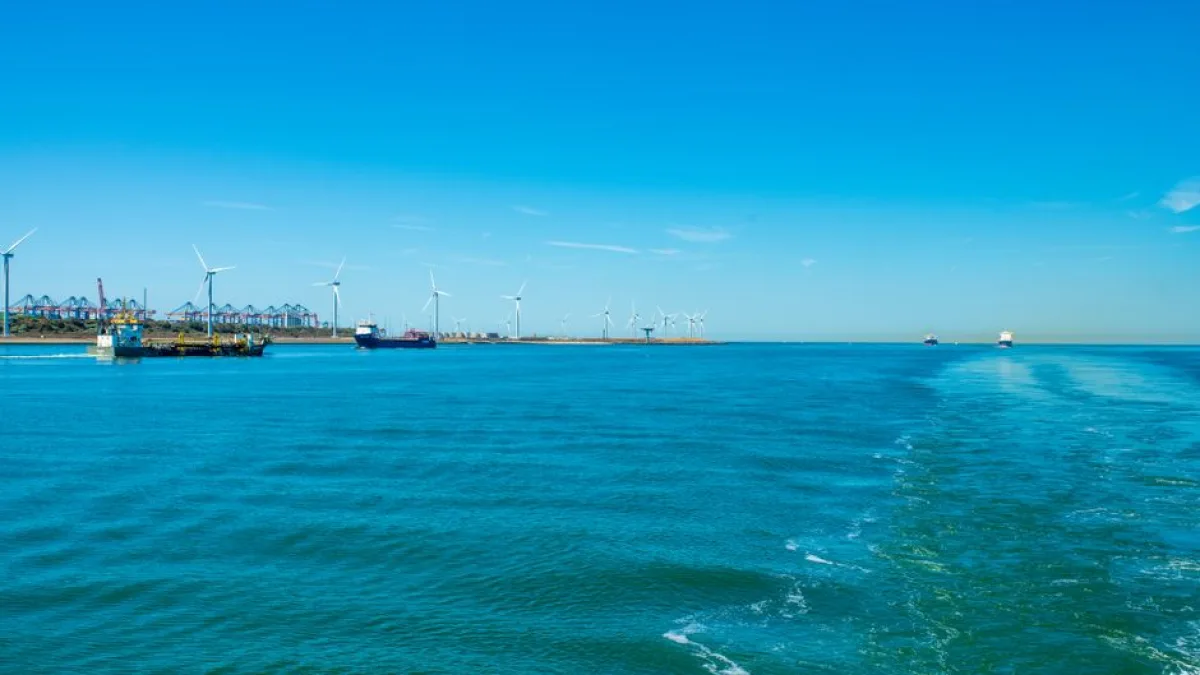
Environmental responsibility is becoming a core pillar of modern logistics strategy. As shipping regulations tighten, forwarders who prioritize sustainability by optimizing routes and consolidating shipments effectively contribute to lower carbon footprints while appealing to a growing segment of eco-conscious global business customers worldwide.
- Route Optimization Engines: Smart algorithms calculate the most fuel-efficient transit paths, which reduces overall greenhouse gas emissions while simultaneously lowering fuel consumption costs for your entire fleet of carriers.
- Load Consolidation Tactics: Utilizing advanced software to maximize container utilization helps reduce the number of partially filled shipments, ensuring that space is used efficiently across all international transit lanes.
- Carbon Emission Reporting: Providing clients with detailed environmental impact reports builds trust and positions your company as a leader in sustainable logistics, fostering long-term partnerships with green-minded corporations.
- Carrier Sustainability Audits: Evaluating the environmental records of your transport partners helps you curate a network that aligns with international carbon reduction standards and your own corporate ethics.
Sustainability is no longer a secondary concern; it is a vital component of future growth. By integrating green practices into daily freight operations, forwarders demonstrate commitment to the planet and operational excellence. This transition improves brand reputation and prepares firms for upcoming regulatory shifts. Choosing sustainable methods today creates a resilient and responsible business model that appeals to the modern global logistics marketplace.
Conclusion

Modernizing your freight forwarding operations is essential for long-term success. By embracing technology and data, you can navigate industry challenges with confidence and efficiency. Implementing these changes today ensures your firm stays competitive in a rapidly evolving market. Stay focused on innovation and your team will surely thrive while meeting the complex demands of global trade for years to come in this sector.