Navigating the Future of Digital Freight Forwarding Efficiency
Sunday, September 6 2026

The global logistics landscape is undergoing a massive transformation driven by rapid technological adoption and changing consumer expectations. As freight forwarders face increasing pressure to provide transparency, agility, and cost-efficiency, the reliance on legacy manual systems has become a significant bottleneck. Modern cloud-based platforms now enable logistics professionals to centralize operations, automate repetitive tasks, and gain actionable insights from real-time data streams. By embracing digital integration, forwarders can better navigate volatile market conditions while improving customer satisfaction levels. This shift represents more than just an upgrade; it is a fundamental necessity for staying competitive in a rapidly evolving international trade environment.
The Evolution of Logistics Operations

Digital transformation serves as the backbone of modern freight operations, replacing fragmented spreadsheets with unified cloud systems. These platforms enable teams to manage complex supply chains with unprecedented visibility, ensuring that every shipment is tracked accurately from origin to final destination.
- Centralized data management: Consolidating all shipment details into a single cloud repository eliminates silos, allowing team members to access critical information quickly and reduce errors caused by manual data entry.
- Automated documentation workflows: Leveraging intelligent document processing tools speeds up customs clearance and billing procedures, significantly reducing the time required to prepare complex international shipping paperwork for every single cargo.
- Real time tracking: Integrating live carrier feeds provides customers with accurate updates on their goods, fostering trust and reducing the volume of status inquiries handled by your customer support.
- Scalable cloud infrastructure: Adopting flexible software solutions allows your business to scale operations during peak seasons without the need for additional hardware investments or complex on-site server maintenance tasks.
Modernizing your logistics framework creates a foundation for long-term operational success and team productivity. By automating mundane administrative burdens, your staff can focus on high-value client relationships and complex logistics problem solving. This shift toward total digital visibility ensures that your agency remains resilient against market disruptions while maintaining the speed and reliability that modern global supply chain partners demand from professional freight forwarders.
Optimizing Global Supply Chain Visibility
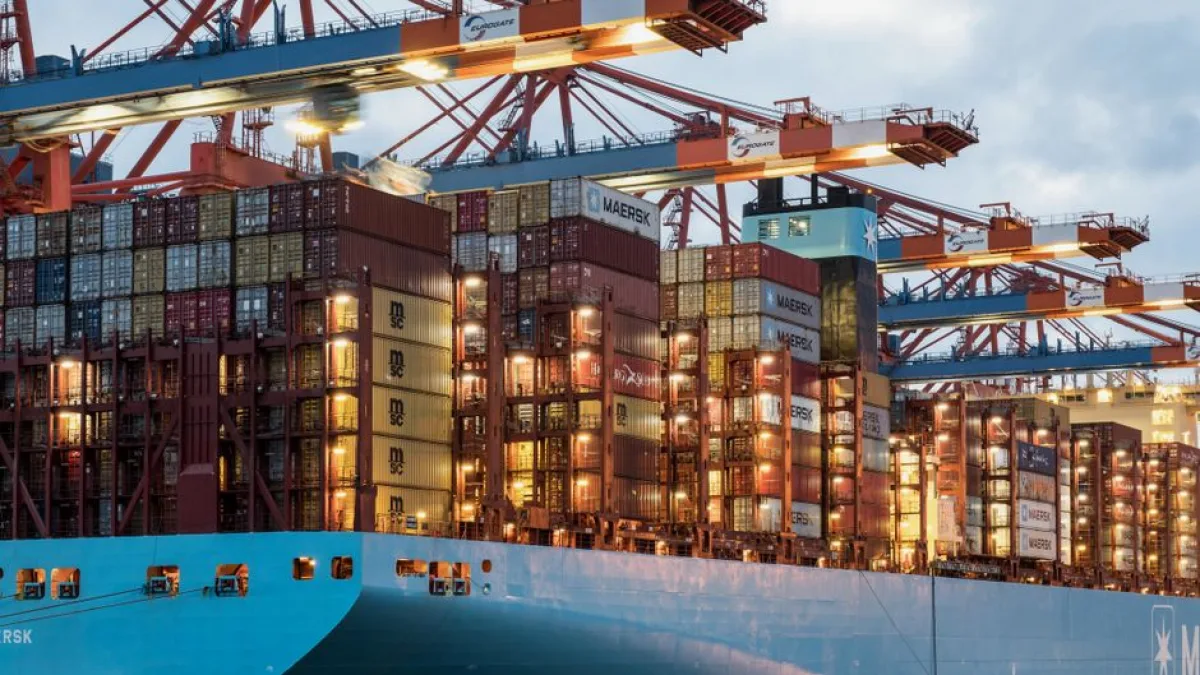
Maintaining oversight across international borders requires robust digital tools that provide deep visibility into every segment of the journey. Achieving this level of transparency is essential for managing delays and proactively communicating with clients during unforeseen supply chain disruptions.
- Predictive delay analytics: Utilizing advanced algorithms helps forwarders identify potential port congestion or carrier delays before they happen, allowing for proactive adjustments to avoid costly storage fees or delivery issues.
- Multi-modal tracking integration: Synchronizing data across air, sea, and land transport modes provides a single source of truth, ensuring that shipments are monitored seamlessly regardless of the chosen transit route.
- Smart alert systems: Automated notifications keep your operations team informed of milestone completions, enabling faster reaction times when cargo reaches critical transshipment hubs or undergoes unexpected customs holds.
- Customizable reporting dashboards: Developing tailored views for your clients enhances the user experience by delivering exactly the metrics they need to track performance and optimize their own inventory levels.
Enhanced visibility tools empower freight forwarders to provide proactive service rather than reactive updates. By positioning your firm as a transparent partner that anticipates challenges rather than just reporting them, you build immense value for your clients. This strategic approach to supply chain oversight not only minimizes risk but also elevates your brand as a reliable leader in the highly competitive global logistics industry.
Enhancing Customer Experience Through Automation

Client expectations are shifting toward a consumerized experience where instant status updates and seamless digital interactions are mandatory. Forwarders must leverage automation to meet these demands while keeping overhead costs low and service quality consistently high for all active accounts.
- Customer self-service portals: Providing a dedicated space for clients to view documents and track status reduces administrative email volume while giving customers control over their personal supply chain.
- Automated billing processes: Integrating accounting software with your shipping platform ensures that invoices are generated and sent immediately after milestone completion, improving cash flow and reducing payment cycle times.
- Standardized communication templates: Creating consistent response patterns for common inquiries ensures that every client receives professional information regardless of which team member handles the specific shipment request file.
- Customizable client notifications: Allowing customers to choose their preferred alert frequency and method improves satisfaction by delivering relevant information without cluttering their inbox with non-essential shipment status updates.
Investing in automation creates a friction-free experience that keeps your clients satisfied and loyal over the long term. By removing manual hurdles from the customer journey, you free up your team to focus on strategic growth and complex logistics challenges. This commitment to an effortless digital experience is a major differentiator that helps you win new business and retain high-value accounts permanently.
Strategic Growth in Logistics Technology

Scaling a logistics business requires a strategic approach to software adoption that aligns with your specific operational goals. Choosing the right technological partner ensures that your firm can adapt to new industry trends while maintaining a focus on core service delivery excellence.
- Data driven decision making: Analyzing historical shipping data reveals patterns that help you optimize carrier selection, negotiate better freight rates, and maximize profitability on frequently utilized international trade shipping lanes.
- API first integration strategy: Connecting your freight software with internal CRM or ERP systems creates a cohesive ecosystem that eliminates redundant work and improves overall business intelligence accuracy.
- Continuous security updates: Maintaining high levels of digital security is essential for protecting sensitive client data, making cloud providers with regular encryption upgrades the safest choice for forwarders.
- Ongoing staff training: Encouraging team members to master new software features increases overall efficiency and ensures that your agency captures the full value of your existing technology investment.
Focusing on long-term strategy allows forwarders to move beyond daily fire-fighting and toward sustainable business expansion. As your digital infrastructure matures, the data insights gained will guide your investments in new routes and specialized logistics services. By prioritizing technology that evolves alongside your company, you secure a dominant position in the industry and provide superior service levels that drive consistent revenue growth.
Conclusion

Adapting to the modern digital era is no longer optional for freight forwarders who want to survive in a competitive market. By implementing cloud-based software, businesses can automate workflows, increase visibility, and deliver a superior customer experience. Start your digital transformation today to ensure that your agency remains at the forefront of the logistics industry while providing reliable and efficient service to global clients.