Navigating the Future of Digital Freight Forwarding Efficiency
Thursday, September 10 2026
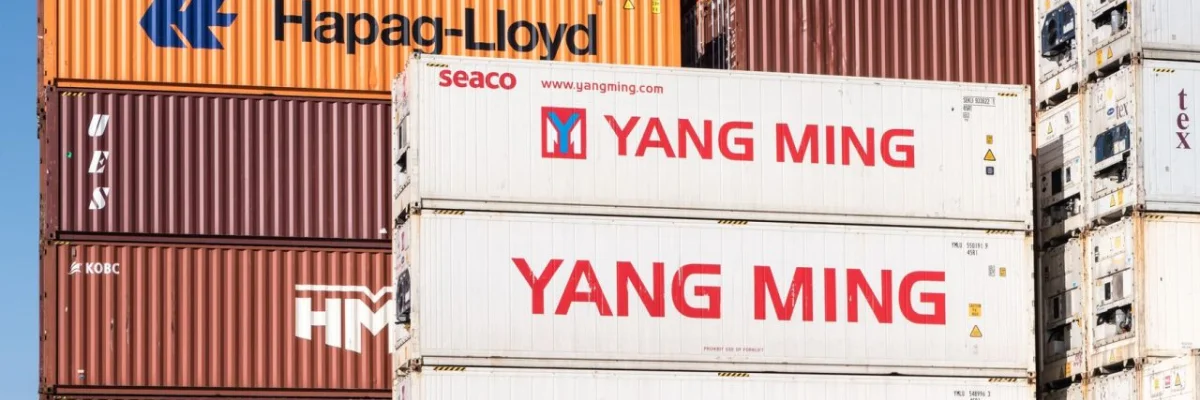
The global logistics landscape is undergoing a massive transformation driven by rapid technological adoption and changing consumer expectations. As freight forwarders face increasing pressure to provide real-time visibility and seamless communication, the reliance on legacy manual processes is becoming a significant competitive disadvantage. Professionals who integrate cloud-based platforms into their daily workflows are finding themselves better equipped to handle volatile market conditions and complex regulatory environments. This article explores how modern digital tools empower forwarders to optimize operations, reduce overhead costs, and elevate the overall customer experience while maintaining agility in a fast-paced and interconnected international shipping market.
Optimizing Warehouse Operations

Efficient warehouse management is the backbone of successful freight forwarding and requires precise inventory tracking. By digitizing storage workflows, teams can eliminate errors and ensure that goods move through the facility with optimal speed and accuracy for final distribution.
- Inventory Accuracy Improvement: Automated scanning technologies reduce human error by syncing physical stock levels with your cloud database in real time for perfect record keeping and inventory management.
- Workflow Process Automation: Removing manual entry requirements allows warehouse staff to focus on physical handling tasks while the software handles complex documentation and status updates automatically.
- Space Utilization Metrics: Advanced algorithms calculate the most efficient layout for your facility to ensure that high-volume cargo remains accessible and ready for rapid departure at all times.
- Real Time Reporting: Managers gain instant insights into storage capacity and throughput metrics, enabling data-driven decisions that prevent bottlenecks and ensure smooth supply chain execution for clients.
Transforming warehouse operations through digital integration allows your team to move beyond reactive logistics and into a proactive management strategy. By centralizing data, forwarders gain a clear view of their entire storage ecosystem, which reduces idle time and minimizes costly errors. This structural shift not only increases overall throughput but also provides the reliability that modern clients demand from their trusted logistics service providers.
Enhancing Digital Supply Chain Visibility
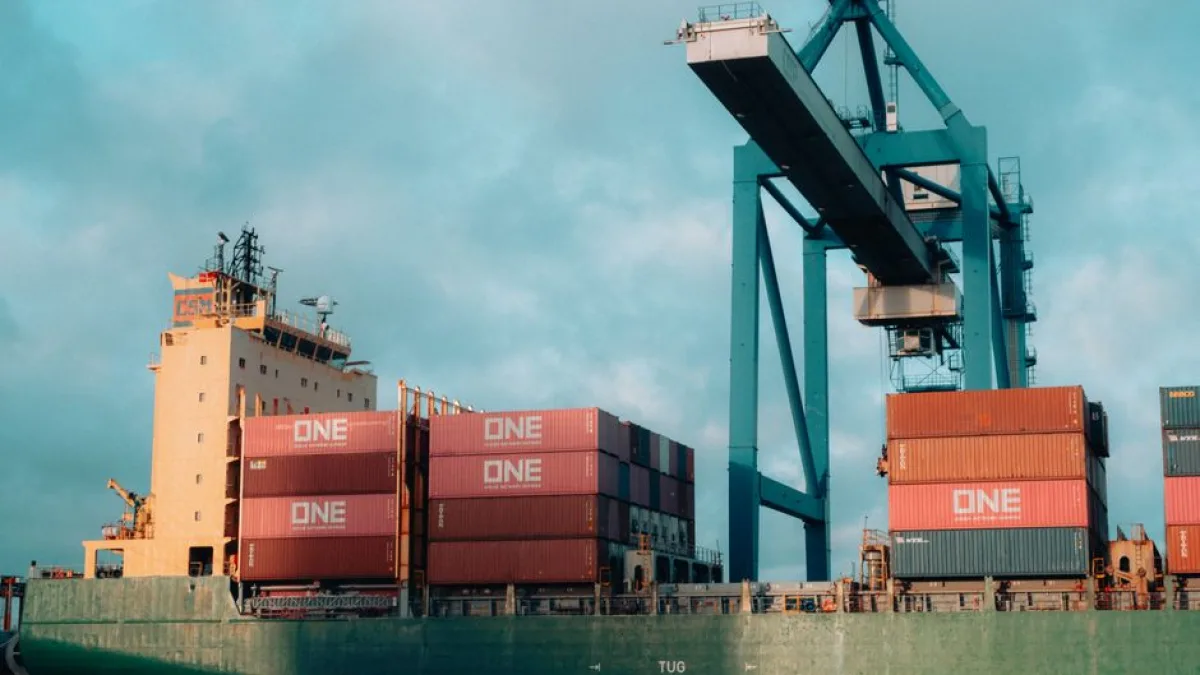
Visibility is the primary currency of the modern logistics industry. Clients expect constant updates regarding their cargo status, and providing this level of transparency is essential for building long-term trust and maintaining strong professional relationships in competitive markets.
- Live Tracking Capabilities: Customers benefit from integrated GPS data that provides accurate arrival estimates and status updates throughout every stage of the international transit journey today.
- Automated Client Alerts: System-generated notifications ensure that your team stays ahead of potential delays by providing immediate updates on schedule changes or customs clearance requirements.
- Document Management Portals: Secure cloud storage provides clients with instant access to their shipping documents, customs forms, and invoices without needing to request files via email.
- Proactive Problem Solving: Predictive analytics tools identify potential disruption points in the supply chain, allowing forwarders to offer alternative routing solutions before problems impact the final delivery.
Achieving total transparency requires a robust digital infrastructure that connects every partner in your supply chain network effectively. When forwarders provide clients with a centralized dashboard, the need for manual status updates decreases significantly, freeing up valuable time. This shift toward self-service visibility enhances customer satisfaction scores while reducing the administrative burden on your internal team during peak shipping seasons.
Automating Customs and Documentation

Navigating the complex world of customs clearance is often the most challenging part of international freight. Digital platforms now offer advanced features that automate documentation, ensuring compliance and speed while minimizing the risk of expensive fines or port delays.
- Compliance Rule Databases: Embedded regulatory tools automatically update to reflect changes in international trade laws, ensuring that all documentation meets regional standards for global trade.
- Digital Form Generation: Integrated software auto-populates essential shipping forms using existing client data to reduce the risk of typos and speed up the submission process.
- Electronic Customs Filings: Connecting directly with port authorities allows for faster submission of clearance paperwork, which significantly reduces the time cargo spends sitting at ports.
- Error Detection Algorithms: Automated checks identify missing signatures or incomplete data fields before files are submitted, preventing costly delays caused by incorrect or missing documentation.
Leveraging software to manage customs processes turns a historically manual and stressful task into a streamlined, automated routine. By reducing the time spent on administrative paperwork, forwarders can focus on growth and relationship management. This level of automation provides a distinct edge in international markets where speed and regulatory precision are the most critical factors for long-term shipping success.
Driving Growth Through Data Analytics

Data is the most valuable asset in the freight industry. Forwarders who leverage analytics can identify hidden inefficiencies, forecast future capacity needs, and make smarter pricing decisions that drive revenue growth while maintaining a healthy margin for their business.
- Revenue Trend Analysis: Advanced dashboards visualize your monthly earnings and highlight the most profitable shipping routes to help you allocate your resources more effectively every year.
- Performance Metric Tracking: Monitoring key indicators like carrier reliability and transit times helps you identify which partners are performing well and which ones need evaluation.
- Market Forecasting Tools: Predictive modeling allows you to anticipate seasonal volume fluctuations, enabling you to plan for capacity requirements and negotiate better rates with carriers.
- Cost Reduction Insights: Granular reports reveal exactly where your capital is being spent, allowing you to cut unnecessary expenses and streamline your overall business model effectively.
Data-driven decision making is no longer optional for firms that intend to scale in the current economy. By transforming raw information into actionable business intelligence, you can navigate market uncertainty with confidence. These insights empower you to optimize every aspect of your operation, ensuring that your company remains competitive and profitable despite the constant pressures and changes within the global freight market.
Conclusion
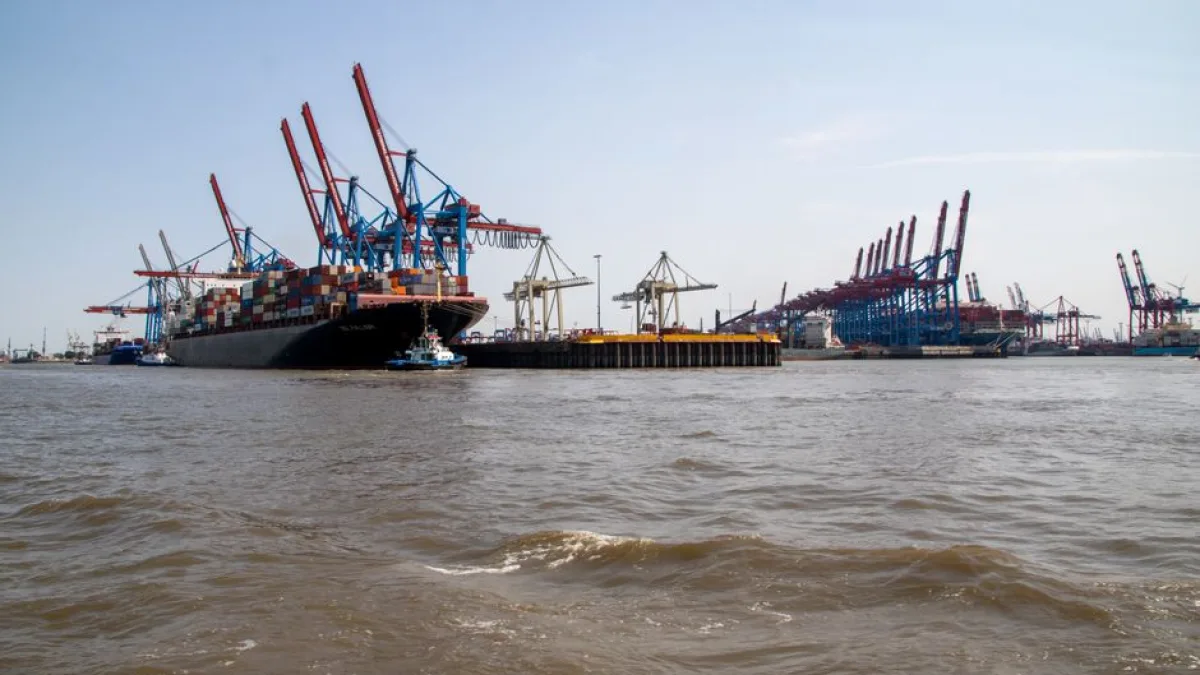
Modern freight forwarding requires a commitment to digital excellence to maintain relevance in a changing world. By focusing on warehouse automation, visibility, documentation, and analytics, forwarders can create a foundation for sustainable success. Investing in the right cloud-based platform is the first step toward transforming your daily operations. Start your digital transition today to build a more efficient, profitable, and client-focused business for the future.