Navigating the Future of Digital Freight Forwarding Efficiency
Saturday, September 12 2026
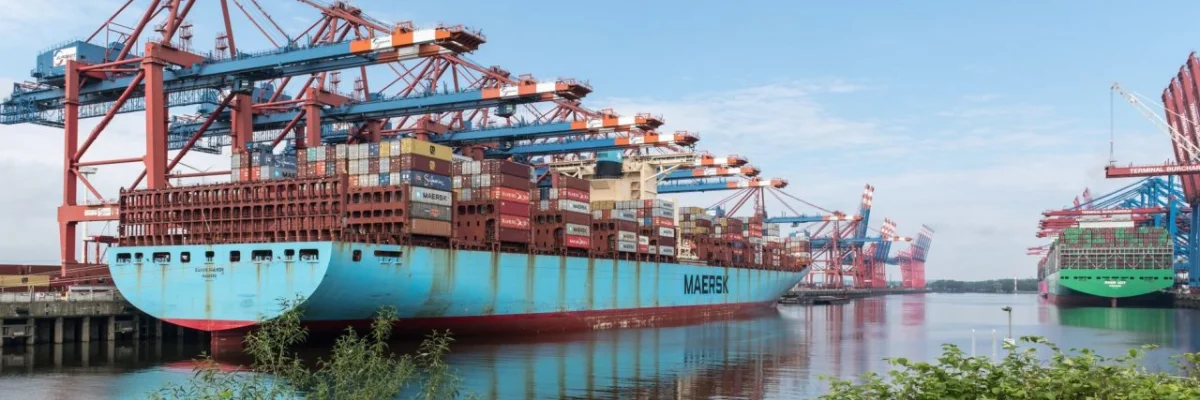
The global logistics landscape is undergoing a massive transformation driven by rapid technological adoption and changing consumer expectations. Freight forwarders are currently at a pivotal crossroads where traditional manual processes are being replaced by integrated digital platforms. To remain competitive in this high-stakes environment, logistics providers must embrace automation and real-time visibility tools. This transition not only reduces operational overhead but also improves customer satisfaction by providing transparent tracking across complex supply chains. Mastering these digital shifts is no longer a luxury for industry leaders but a fundamental requirement for long-term survival in the international freight sector.
Modernizing Terminal Operations
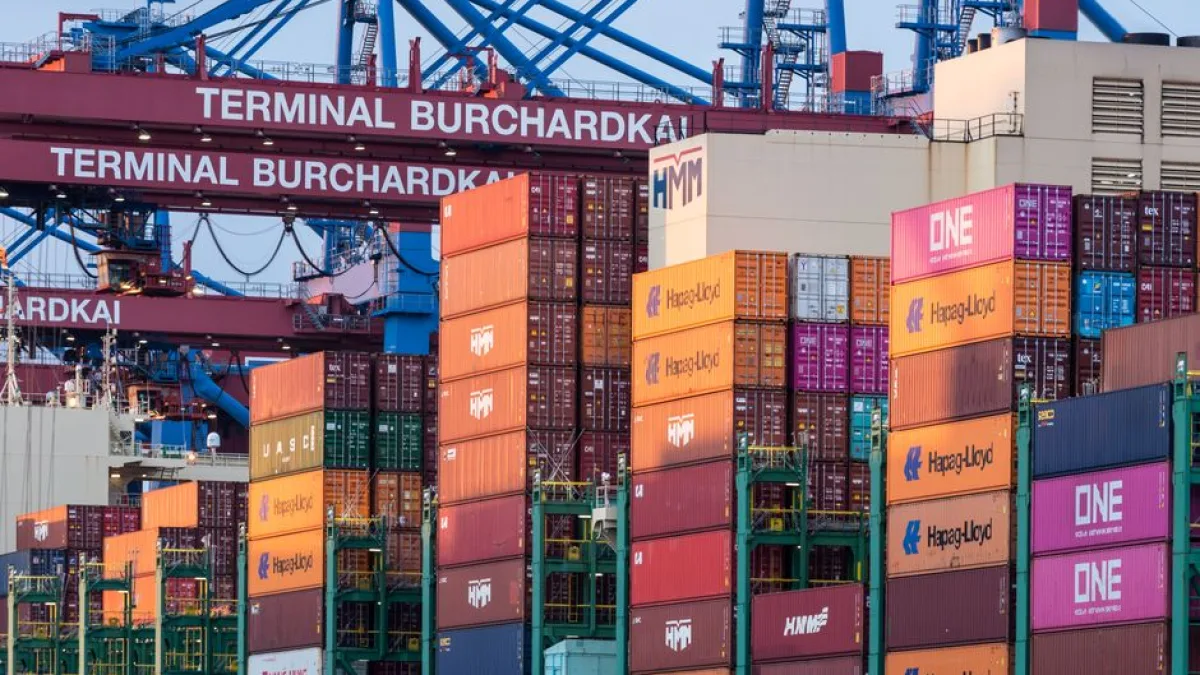
Modern port operations now rely heavily on automated systems to handle the increased volume of global trade. By integrating cloud technology with physical terminal workflows, forwarders can significantly reduce congestion and speed up the movement of goods from ship to shore.
- Automated Gate Processing: Intelligent systems use optical character recognition to verify cargo details instantly, removing the need for manual paperwork and speeding up truck turnaround times at busy terminals.
- Real-time Crane Data: Digital integration allows forwarders to track loading progress directly, enabling proactive communication with clients if unforeseen delays occur during the container vessel handling process.
- Integrated Port Communication: Centralized digital platforms connect port authorities with forwarders, ensuring that documentation matches physical cargo status to prevent expensive delays during the critical export phase.
- Predictive Capacity Planning: Data analytics tools help logistics managers forecast terminal density, allowing them to redirect shipments to less congested hubs and maintain consistent delivery timelines for customers.
- Optimized Yard Logistics: Smart software manages container stacks efficiently, reducing the time spent searching for specific units and ensuring that priority shipments are always placed in accessible locations.
These enhancements provide a solid foundation for logistical excellence in modern ports. When forwarders leverage automated data flow, they eliminate the communication gaps that often plague international shipping. By adopting these systems today, your company can ensure that every container moves with maximum efficiency through the terminal gates. Consistent technological upgrades remain the most reliable way to stay ahead of the volatile global freight market.
Leveraging Cloud Logistics Platforms

Cloud platforms serve as the backbone for contemporary freight forwarding businesses by centralizing data in a single location. This approach allows teams to collaborate seamlessly regardless of their physical location, enhancing overall organizational agility and responsiveness to market shifts.
- Seamless Team Collaboration: Cloud systems enable multiple departments to access shipping documentation simultaneously, ensuring that everyone remains aligned throughout the entire lifecycle of a complex international shipment.
- Scalable Infrastructure Needs: As your business expands, cloud platforms grow with you, offering flexible storage and processing power that adapts to changing seasonal demands in global trade.
- Enhanced Data Security: Modern software providers implement enterprise-grade encryption to protect sensitive client information from cyber threats, ensuring compliance with international regulations and building long-term partner trust.
- Mobile Accessibility Features: Forwarding teams can update shipment statuses from anywhere in the world using mobile devices, keeping stakeholders informed even when they are away from office desks.
- Automated Reporting Tools: Software generates comprehensive performance metrics automatically, providing leadership teams with the deep insights necessary to refine strategies and maximize profitability across all service routes.
Adopting cloud-native solutions transforms how forwarders handle daily operations by breaking down information silos. This connectivity ensures that every member of your team has a clear view of the supply chain status at all times. Investing in these platforms provides the stability needed to scale operations effectively. Focus your efforts on integrating these tools to foster a more resilient and collaborative logistics environment.
Automating Complex Documentation Workflows

Manual document handling remains one of the largest bottlenecks for professional freight forwarders. Automating the creation, validation, and storage of bills of lading and commercial invoices is essential to reducing human error and improving processing speeds for international shipments.
- Automated Invoice Generation: Intelligent software pulls shipment details directly from booking forms, creating accurate invoices in seconds and reducing the risk of billing discrepancies with global trade partners.
- Electronic Document Validation: Automated systems check every field against compliance rules before submission, ensuring that all paperwork meets strict customs requirements for every international border crossing point.
- Seamless File Integration: Digital tools sync documents across all shipping platforms, allowing for instant retrieval of proof of delivery or transit records during client service inquiries or audits.
- Cloud Storage Security: Secure digital archives eliminate the need for physical paper filing systems, protecting vital shipping documents from damage or loss while maintaining long-term regulatory compliance standards.
- Digital Signature Support: Integrated e-signature functionality accelerates the approval process for critical contracts, allowing for faster closing of shipments without requiring physical presence or slow mailing services.
Streamlining document workflows allows your team to focus on strategic client growth rather than administrative burdens. By replacing manual entry with intelligent automation, you significantly reduce the potential for costly errors during the export process. These improvements create a professional reputation for accuracy and reliability in a crowded market. Start transitioning your manual tasks into automated digital flows to see immediate operational efficiency gains.
Enhancing Customer Transparency Standards

Today's customers demand total visibility regarding their cargo status, from initial pickup to final delivery. Implementing advanced tracking features provides a competitive edge by keeping clients informed and confident throughout the entire shipping journey, which builds long-term loyalty and trust.
- Instant Tracking Updates: Customers receive automated notifications via email or app whenever their cargo reaches a milestone, eliminating the need for them to contact support for basic information.
- Interactive Digital Portals: Clients gain access to a personalized dashboard where they can view live locations, download shipping documents, and manage their invoices in a single place.
- Proactive Issue Resolution: When a delay is detected by the system, forwarders can notify the customer immediately with an updated timeline, which demonstrates professional commitment to transparency.
- Customized Performance Reports: Regular automated summaries provide clients with visual data on their shipping history, helping them understand trends and optimize their own supply chain strategies over time.
- 24/7 Digital Service: Providing round-the-clock access to shipment data ensures that global clients receive the service they need, regardless of the time zone they operate within daily.
Transparent communication is the key to maintaining strong relationships with your shipping clients. When you provide accurate, real-time data, you turn a standard service into a partnership based on reliability and trust. These digital tools ensure that your clients always feel like they are in control of their cargo. Make customer transparency a central pillar of your digital growth strategy moving forward.
Conclusion

The integration of advanced software into freight forwarding is creating new standards for efficiency across the industry. By focusing on cloud systems, automated workflows, and customer-centric tracking, your firm can navigate complex market changes with ease. Prioritize these digital investments now to build a more profitable and resilient logistics operation. Embrace the power of modern technology today to lead the future of global freight.