Navigating the Future of Digital Freight Forwarding Efficiency
Friday, September 18 2026
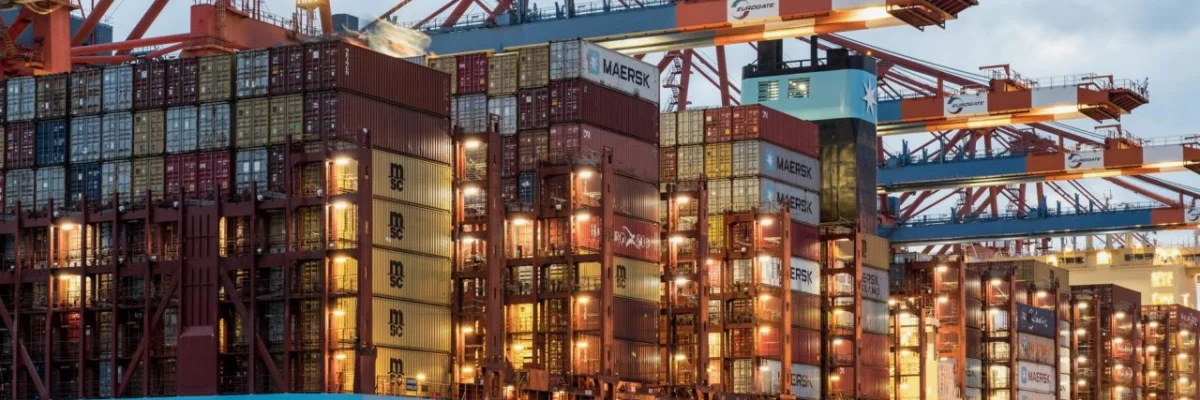
The global logistics landscape is undergoing a radical transformation as freight forwarders shift away from manual processes toward integrated digital ecosystems. As supply chain volatility becomes the new normal, the pressure to deliver real time visibility and automated workflows has never been higher. Leading companies are now leveraging cloud-based platforms to bridge the gap between carrier connectivity and client expectations. This transition is not merely an optional upgrade but a strategic necessity for firms aiming to maintain profitability, scale operations efficiently, and thrive in an increasingly competitive international shipping market throughout the next decade.
Embracing Cloud Integration
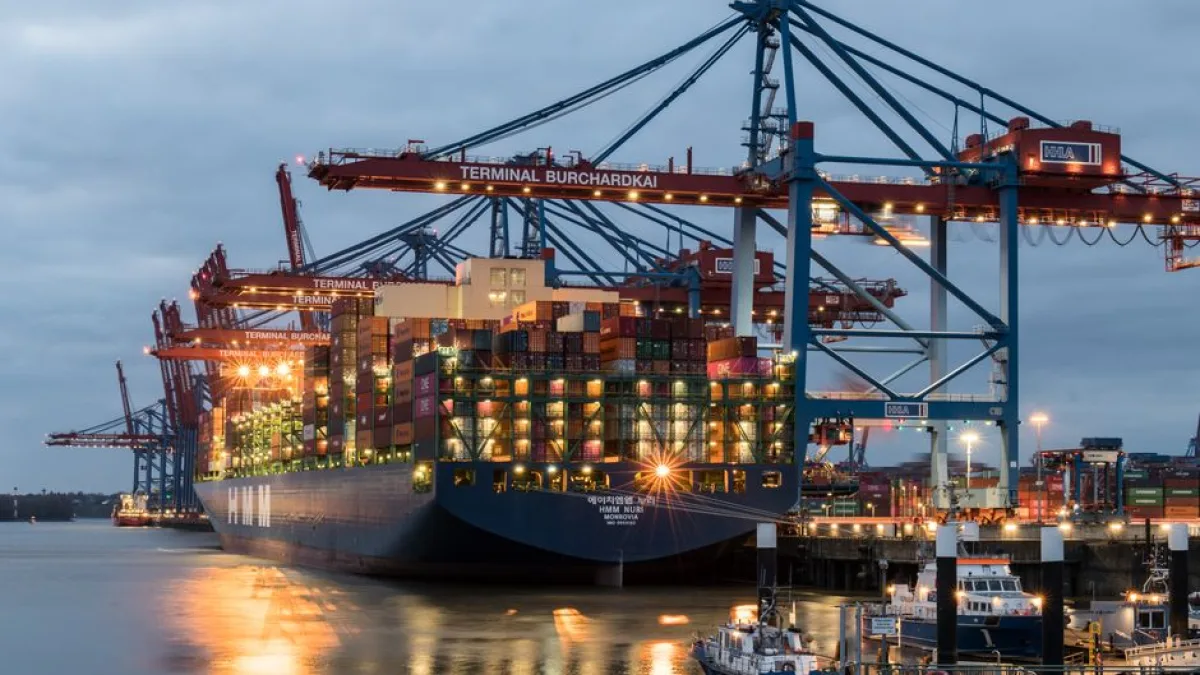
Cloud infrastructure serves as the digital backbone for modern forwarders looking to centralize their data operations. By migrating legacy systems to the cloud, teams can access critical shipping documentation from anywhere while ensuring high levels of data security and redundancy.
- Seamless data migration: Transitioning your local database to a cloud environment ensures that your team maintains constant access to shipment status updates without the risk of hardware failure downtime.
- Centralized document management: Storing bills of lading and invoices in a unified portal minimizes manual data entry errors while significantly accelerating the retrieval process for your customer support team.
- Scalable system resources: Cloud platforms allow your software capabilities to grow alongside your business volume, ensuring that infrastructure performance remains stable during unexpected surges in international trade demand.
- Enhanced collaboration tools: Empower your internal departments and external partners to communicate effectively through shared dashboards that provide a single version of truth regarding current logistics operations.
Adopting these cloud technologies allows forwarders to break free from the constraints of disconnected spreadsheets. By fostering an environment where information flows freely between stakeholders, companies improve their responsiveness to market changes. This newfound agility translates into faster booking times and higher service quality, ultimately positioning your brand as a reliable partner in a complex global supply chain that demands absolute operational precision daily.
Automating Shipment Documentation

Manual document handling remains a primary bottleneck for logistics companies struggling with high volume shipments. Automating these repetitive tasks releases your professional staff to focus on higher value activities like client relationship building and complex problem solving for cargo.
- Automated invoice processing: Intelligent software extraction tools capture critical financial data from incoming invoices, reducing the manual verification workload by automating routine entry and validation processes for finance.
- Customs compliance checks: Integrated automated modules scan your documentation against current customs regulations, ensuring that all paperwork remains compliant with local laws to prevent costly shipment delays.
- Digital signature workflows: Implementing electronic signature protocols allows forwarders to finalize essential agreements instantly, removing the logistical friction caused by physical document transit and delayed courier service deliveries.
- Error reduction strategies: Automated validation rules catch common input mistakes before they escalate into serious operational issues, ensuring high levels of accuracy across your entire documentation lifecycle management.
Removing manual input from your workflow is the fastest route to reducing overhead and increasing throughput. When software handles the mundane tasks of document generation and validation, your experts can dedicate their time to high stakes exceptions and strategic account planning. This shift increases operational bandwidth without needing to expand your headcount, providing a clear competitive advantage in a labor intensive industry.
Prioritizing Real Time Visibility

Modern clients demand instant updates regarding their cargo status regardless of their location. Achieving this level of transparency requires robust integration between your freight forwarding platform and global carrier networks to provide accurate tracking data every single step.
- Carrier API integration: Connecting your software directly to major shipping lines via API enables the automated flow of status updates without relying on slow email correspondence.
- Proactive status alerts: Configure automated notification systems that send real time updates to your clients whenever a shipment moves or hits a milestone in the journey.
- Exception management dashboards: Utilize intuitive dashboards to identify delayed containers instantly, allowing your team to inform clients and provide proactive solutions before major problems arise abroad.
- Transparency builds trust: Providing your customers with a self service tracking portal significantly reduces the volume of status inquiries handled by your operations team every day.
Visibility is the new currency in the freight forwarding industry. When clients can monitor their goods through an intuitive portal, your organization builds long term trust and loyalty. This transparency eliminates the anxiety associated with international transit and positions your firm as a transparent, technology first partner that values the time and resources of its customers in a highly competitive global market.
Optimizing Strategic Decision Making

Data driven insights provide the clarity needed to optimize route planning and pricing strategies. By analyzing historical performance metrics, forwarders can make smarter decisions that improve their bottom line while simultaneously offering more value to their loyal client base.
- Performance metric analysis: Reviewing historical transit times helps you identify which carrier routes offer the most reliable performance, enabling better selection for future urgent cargo shipments.
- Profitability margin tracking: Real time reporting tools calculate your net profit on every shipment, identifying areas where costs can be trimmed to improve overall financial performance.
- Market trend forecasting: Utilize built-in analytics to detect early patterns in freight rates, helping your sales team adjust their pricing models to stay competitive during fluctuations.
- Actionable operational reports: Transform raw database records into clear visual charts that highlight operational successes and failures, driving continuous improvement initiatives across your entire logistics organization.
Leveraging data transforms your business from a reactive service provider into a strategic logistics advisor. By understanding the underlying patterns of your trade lanes, you can optimize your vendor mix and improve profit margins consistently. This analytical approach ensures that your operations remain resilient against market volatility while empowering your leadership team to plan for future growth with confidence based on real facts.
Conclusion

Digital transformation remains the most effective strategy for forwarders aiming to survive and scale. By embracing cloud tools, automation, and data analytics, your firm can navigate modern complexities with ease. MakeCargo provides the essential software solutions needed to unify your logistics workflows effectively. Start your journey toward operational excellence today by evaluating your current tech stack and implementing smarter, faster digital freight forwarding processes.