Navigating the Future of Digital Freight Forwarding Efficiency
Saturday, September 26 2026
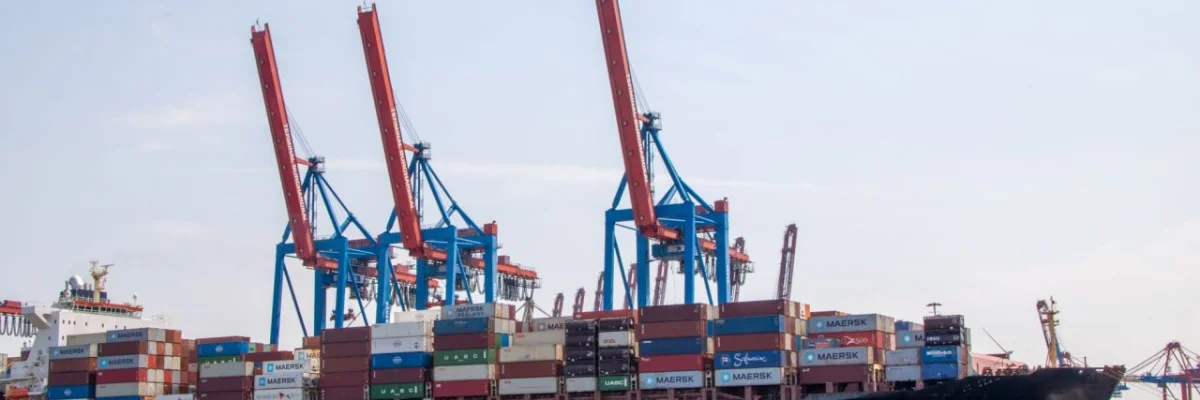
The global logistics landscape is undergoing a radical transformation as traditional freight forwarding operations shift toward integrated digital ecosystems. As supply chain complexities mount, forwarders are increasingly tasked with balancing real-time visibility, cost containment, and rapid communication demands. Embracing cloud-native platforms has evolved from a competitive advantage into a fundamental necessity for survival. Professionals who leverage advanced automation are finding themselves better equipped to handle disruptions while improving client satisfaction. This article explores how modern software architecture serves as the backbone for scalable operations, helping teams navigate fluctuating market conditions with confidence and strategic precision in a fast-paced environment.
Optimizing Global Supply Chains
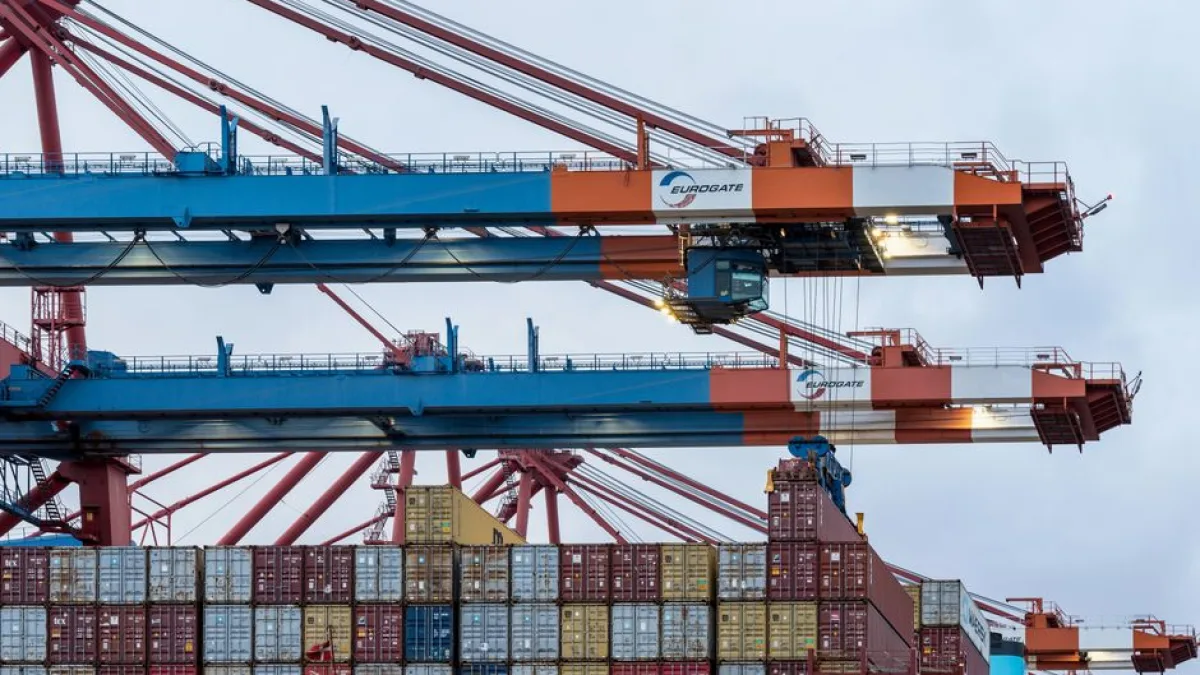
Port logistics depend on seamless data flow to keep shipments moving efficiently through terminals. By digitizing the manual exchange of documentation, forwarders can reduce dwell times and eliminate the bottlenecks that typically cause costly delays during the complex international transshipment process.
- Automated Data Entry: Implement automated document processing tools to extract essential information from bills of lading. This reduces human error significantly while ensuring that your operational team saves valuable hours.
- Real Time Tracking: Provide clients with granular visibility into shipment status updates. Consistent transparency builds long-term trust and differentiates your firm from competitors relying on outdated manual status reports.
- Workflow Process Automation: Streamline repetitive tasks by creating digital workflows for booking and dispatching. Automated triggers ensure that no milestone is missed while your staff focuses on high-value tasks.
- Integrated Port Systems: Connect directly with port authorities and customs agencies through standardized APIs. Seamless integration minimizes information silos and accelerates the clearance process for all global cargo movements.
Digital transformation at the port level creates a resilient framework for international trade. By centralizing documentation, freight forwarders gain a clear view of their entire pipeline, enabling faster decision making and reduced administrative overhead. When information flows without friction, the entire logistics network benefits from improved throughput and reliability. Investing in these digital tools ensures your operations remain adaptable to the ever-changing demands of global commerce.
Modernizing Financial Reporting Systems

Managing global freight costs requires meticulous financial oversight and automated reconciliation processes. Modern software platforms help forwarders maintain strict margins by providing clear insights into carrier rates and currency fluctuations that often impact total shipment profitability and operational cash flow.
- Dynamic Pricing Models: Utilize advanced algorithms to compare carrier rates in real time. This allows you to offer the most competitive quotes while simultaneously protecting your company profit margins.
- Automated Invoice Matching: Leverage smart technology to match carrier invoices against original bookings. This prevents overpayments and ensures that financial records remain accurate throughout the entire billing cycle.
- Profitability Analytics Tools: Access deep analytics regarding individual trade lanes and client accounts. Identifying low-margin services helps management refine business strategies and focus resources on highly profitable operations.
- Integrated Payment Gateways: Simplify the settlement process by offering secure digital payment options. Reducing the reliance on wire transfers speeds up the cash cycle and improves financial transparency.
Accurate financial reporting is the heartbeat of a successful freight forwarding firm in today's economy. When you integrate accounting directly into your operations platform, you eliminate the risks associated with manual data entry and disjointed systems. This holistic approach empowers leadership to make data-driven decisions that foster growth and financial stability. Achieving precision in your accounting workflows is essential for scaling a competitive business.
Enhancing Communication Across Teams

Effective internal communication remains the primary driver of success in modern freight management operations. By utilizing unified digital communication hubs, logistics teams can collaborate across global offices, ensuring that every stakeholder remains fully informed about critical shipment milestones and potential delays.
- Centralized Project Hubs: Keep all stakeholders aligned by using a shared digital workspace for documents. Centralizing information prevents version control issues and keeps teams focused on current priorities.
- Instant Messaging Integration: Facilitate rapid problem solving by using built-in chat features connected to specific shipments. Quick interactions replace long email chains and reduce response latency significantly.
- Client Portal Access: Empower your customers with self-service portals to view their own shipment data. Providing 24/7 access reduces the volume of status inquiries handled by support.
- Automated Email Notifications: Trigger customized alerts for your staff and clients when shipment milestones are achieved. Proactive communication reduces customer anxiety and reinforces your professional reputation within industry.
Seamless communication bridges the gap between complex logistical planning and successful cargo delivery. When teams utilize centralized digital platforms, the risk of misinterpretation is greatly reduced, leading to higher levels of operational consistency across all departments. By prioritizing clear and automated information flow, your firm will foster stronger relationships with both clients and global partners, setting a high standard for customer service excellence.
Securing Critical Logistics Data

Data security is the foundation of trust in the digital freight forwarding industry. Protecting proprietary client information and sensitive shipping manifests requires robust encryption and regular security updates to prevent unauthorized access while ensuring compliance with international data privacy regulations for all.
- Robust Data Encryption: Protect sensitive customer information by using advanced encryption standards for all stored data. Security layers ensure that your company remains compliant with global privacy laws.
- Granular Access Control: Assign user permissions carefully to ensure staff only view data required for their roles. Limiting access points significantly reduces the risk of internal data leaks.
- Regular Security Audits: Conduct frequent assessments to identify potential vulnerabilities within your software platform. Maintaining high security standards demonstrates a commitment to client safety and reliable business.
- Secure Cloud Hosting: Rely on reputable cloud infrastructure providers that offer high uptime and redundancy. Secure hosting ensures your critical systems are available regardless of physical outages.
Prioritizing cybersecurity protects your brand reputation and maintains the confidence of your logistics partners worldwide. As digital platforms become more sophisticated, the threats against logistics networks grow alongside them. By implementing proactive security protocols and training staff on best practices, your firm creates a secure environment for long-term growth. Safety is a non-negotiable element of modern freight forwarding software and service architecture.
Conclusion

Adopting advanced technology remains the most effective strategy for freight forwarders looking to scale and succeed. By streamlining operations, securing data, and improving communication, your business will thrive in a complex global market. Now is the perfect time to evaluate your current processes and implement a modern software solution. Transform your operations today with MakeCargo and lead your firm into a digital future.