Navigating the Future of Digital Freight Forwarding Efficiency
Saturday, September 26 2026
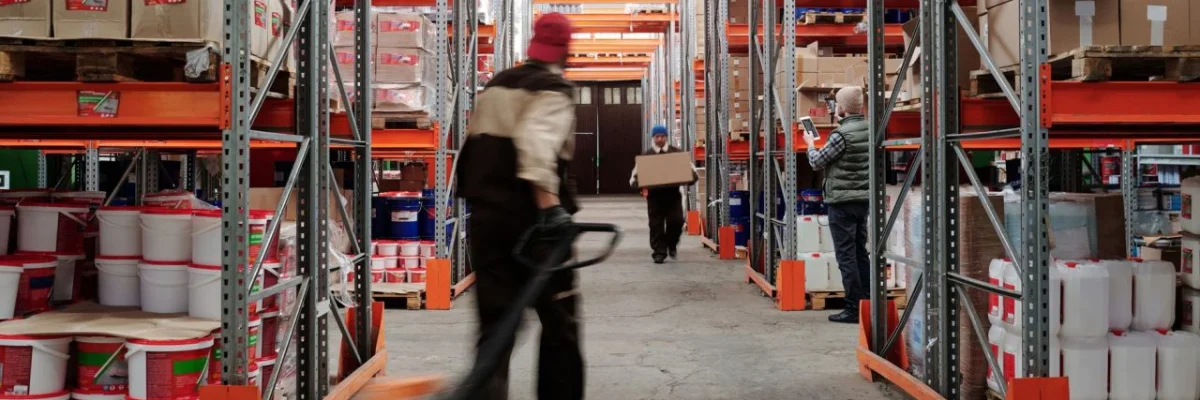
The global logistics landscape is undergoing a massive transformation driven by rapid technological integration and shifting consumer expectations. For freight forwarders, the pressure to maintain operational agility while managing complex supply chain disruptions has never been higher. Modern platforms are now essential to bridge the gap between legacy processes and real-time visibility. By adopting cloud-based solutions, forwarders can automate manual workflows, reduce costly errors, and improve communication across the entire shipping lifecycle. This evolution is no longer just a competitive advantage, but a fundamental requirement for survival in an increasingly volatile international trade environment that demands speed, transparency, and data-driven decision making.
The Shift to Automation

Warehouse automation is revolutionizing how freight forwarders handle inventory and streamline dispatch operations. By integrating robotics and smart scanning technologies, companies can significantly reduce human errors while accelerating the speed of cross-docking tasks within their busiest distribution centers today.
- Automated Data Entry: Cloud software captures bill of lading information automatically, ensuring that manual typing errors are removed and processing times are cut down to mere minutes for your staff.
- Workflow Process Optimization: Intelligent task assignment systems route urgent shipments to the correct team members instantly, preventing bottlenecks that typically slow down standard export and import freight operations.
- Real-time Inventory Tracking: Digital scanning tools sync with your central platform to provide live updates, giving your clients precise information about their cargo status throughout the transit journey.
- Smart Documentation Management: Automated filing systems organize shipping manifests and customs documents into secure digital folders, simplifying retrieval during unexpected audits or complex international shipment verification processes.
Adopting automated workflows allows your team to focus on high-value client relationships rather than tedious data entry tasks. When software handles repetitive processes, the potential for human error drops significantly across your entire operational chain. This shift not only lowers overhead costs but also boosts customer satisfaction through faster response times. Modernizing these specific internal functions is the primary step toward building a truly resilient freight business.
Achieving Supply Chain Visibility
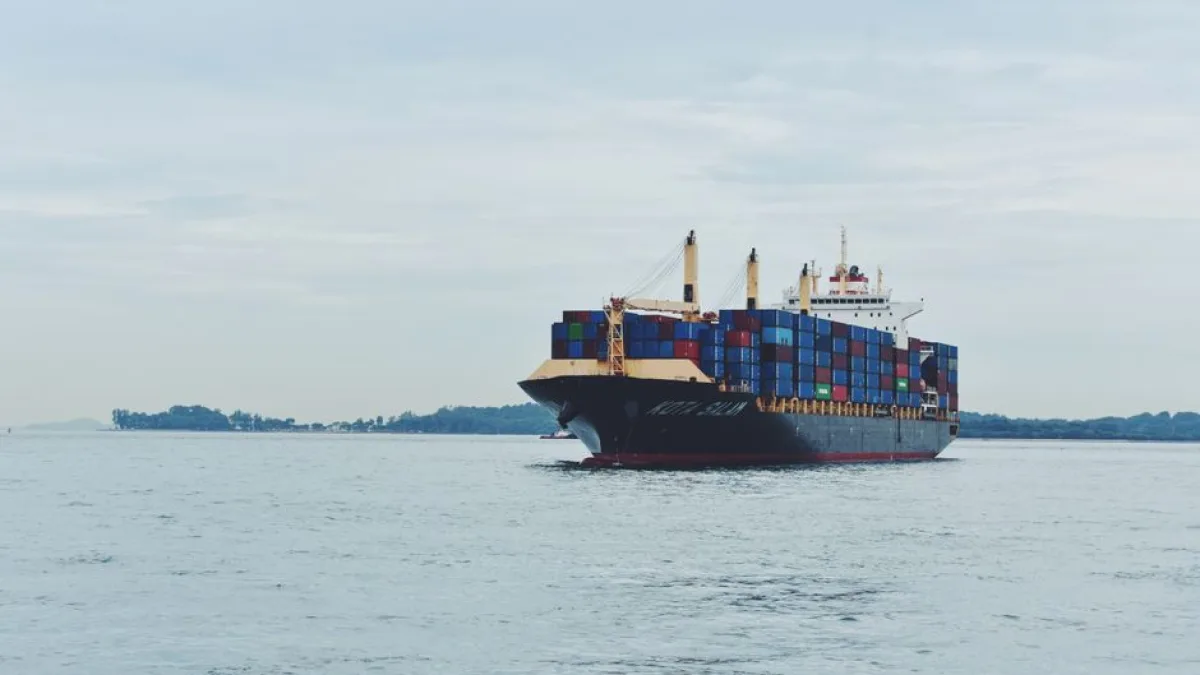
Visibility is the backbone of modern freight forwarding, allowing companies to track shipments across oceans and borders. Utilizing advanced satellite tracking and GPS sensors provides teams with the transparency needed to manage expectations during unpredictable global transit delays.
- Satellite Tracking Integration: Advanced API connections pull data from vessels directly into your dashboard, offering a live map view of every container in your current freight forwarder network.
- Predictive Arrival Alerts: Sophisticated algorithms analyze historical data to notify your team of potential port congestion, allowing for proactive routing changes before the cargo reaches its destination.
- Milestone Event Monitoring: Automated notifications track key events like gate-in and customs clearance, providing your customers with reliable progress reports that build long-term trust in services.
- Proactive Exception Handling: When a delay occurs, the system identifies the specific problem immediately, enabling staff to communicate solutions to clients before they even notice the issue.
Transparency creates peace of mind for both the freight forwarder and the end customer. By leveraging live data, you eliminate the constant need for manual status updates and phone inquiries. This digital transparency acts as a powerful marketing tool that differentiates your firm from competitors who rely on older tracking methods. Providing clear visibility ensures that you remain a dependable partner in global logistics.
Optimizing Customs Clearance

Customs compliance remains one of the most complex hurdles for international forwarders. Utilizing digital platforms that automate classification and filing processes helps companies avoid heavy fines while ensuring that goods move through international borders without unnecessary physical inspections or delays.
- Automated HS Classification: Intelligent classification software assigns correct codes to goods, reducing the risk of customs penalties while ensuring that duties and taxes are calculated accurately every time.
- Electronic Filing Systems: Direct integration with national customs portals allows your team to submit declarations in seconds, bypassing the slow and error-prone paper based submission methods used historically.
- Compliance Error Checking: Automated verification tools scan documents for missing signatures or incorrect values, catching potential regulatory failures before the shipment arrives at the border customs checkpoint.
- Regulatory Update Alerts: The system tracks global trade law changes in real time, alerting your compliance team whenever import requirements change for specific commodities or country routes.
Managing customs digitally turns a major headache into a streamlined operational advantage for your forwarder business. When you ensure that every document is accurate and submitted on time, your cargo moves through ports with far fewer delays. This level of reliability is what keeps clients coming back. By mastering the compliance process, you turn a complex regulatory barrier into a streamlined shipping success.
The Power of Analytics

Data analytics transforms raw shipping numbers into actionable insights for freight professionals. By examining past performance patterns, forwarders can identify new revenue streams, optimize their carrier selection processes, and improve their profit margins through smarter overall business strategy execution.
- Performance Benchmarking Reports: Detailed dashboards track carrier transit times and pricing trends, helping your team negotiate better service agreements based on actual historical performance data and reliability metrics.
- Profitability Analysis Tools: Break down costs for every shipping lane to discover which routes deliver the highest return, allowing you to prioritize the most lucrative trade corridors.
- Demand Forecasting Models: AI powered tools predict future shipping volumes based on seasonal trends, ensuring your company is prepared to manage capacity surges without overspending on resources.
- Customer Behavior Insights: Analyze booking patterns to identify which clients require special attention, allowing you to tailor your account management efforts toward your most valuable business partnerships.
Informed decisions based on accurate data are the key to scaling your freight forwarding operations effectively. Moving away from guesswork allows your management team to invest capital in the areas that guarantee the highest growth potential. By consistently reviewing your analytical dashboards, you position your firm to adapt quickly to market shifts. Data is the ultimate asset for staying ahead in global trade.
Conclusion

The future of freight forwarding belongs to those who embrace digital innovation and data-driven strategies. By automating core workflows, prioritizing end-to-end visibility, mastering customs compliance, and leveraging powerful analytics, you create a robust foundation for success. Now is the ideal time to evaluate your current software stack and ensure it supports your long-term growth. Elevate your operations with MakeCargo and lead the market today.