Navigating the Future of Digital Freight Forwarding Efficiency
Monday, September 28 2026

The global logistics landscape is undergoing a radical transformation as traditional freight forwarding firms shift toward cloud-based infrastructures to maintain competitive relevance. As market volatility becomes the new norm, the integration of automation and real-time data visibility is no longer a luxury but a fundamental necessity for operational survival. Modern forwarders are increasingly abandoning manual spreadsheets in favor of sophisticated software platforms that unify fragmented workflows, enhance communication between stakeholders, and provide the predictive insights required to navigate complex global supply chains with unprecedented speed and accuracy in an evolving digital economy.
Embracing Cloud Automation
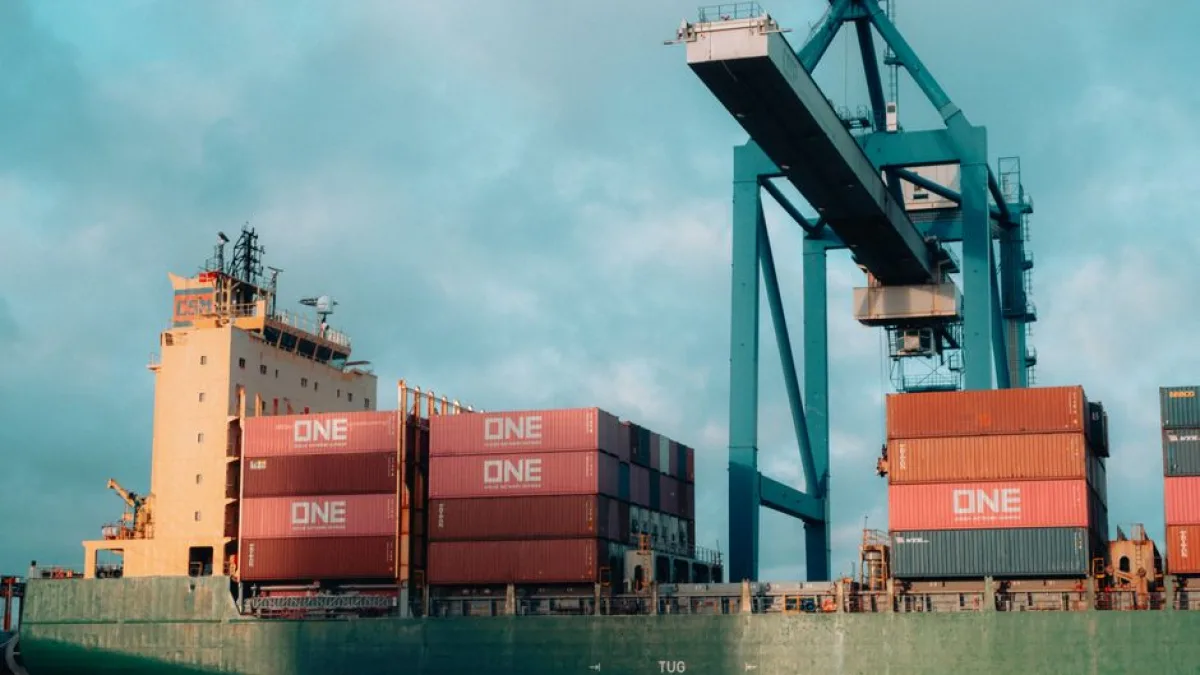
Digital transformation starts with replacing legacy systems with unified cloud platforms that handle complex tasks automatically. This shift reduces reliance on manual input, minimizes costly human errors, and ensures that your global team operates from a single source of truth.
- Improved data accuracy: Centralizing information in one cloud platform ensures that all regional offices access real-time status updates without needing to verify details across multiple outdated communication channels or disconnected databases.
- Reduced administrative burden: Automated workflows handle repetitive documentation tasks, allowing your logistics experts to focus on high-value client relationships rather than getting stuck in tedious, manual data entry processes all day.
- Seamless team collaboration: Cloud-based software enables instant updates across the entire organization, ensuring that everyone remains aligned regardless of their physical location or the specific time zone they operate.
- Scalable business growth: Modern software architecture allows firms to handle increasing shipment volumes without the need for proportional increases in administrative staff or costly manual oversight of complex tasks.
Adopting these cloud tools empowers your team to reclaim valuable time previously lost to administrative bottlenecks. By automating the mundane, your staff can focus their energy on solving complex logistics challenges and building stronger relationships with your clients. This strategic move directly impacts your bottom line, creating a leaner, more resilient business structure capable of handling the dynamic demands of the global shipping industry today.
Prioritizing Real-time Visibility

Providing clients with instantaneous shipment tracking data has become the minimum standard for modern forwarders. Leveraging live API integrations and automated alerts helps manage expectations while significantly reducing the influx of status inquiries directed toward your customer support teams.
- Enhanced transparency levels: Providing live tracking information builds immediate trust with your customers who expect to know the location of their cargo at every single stage of transit.
- Proactive issue resolution: Real-time alerts notify your staff about potential delays or port congestion immediately, allowing you to develop contingency plans before a minor issue becomes a major crisis.
- Optimized communication flows: Automated notifications reduce the number of phone calls and emails, freeing your support staff to address high-priority inquiries that require human judgment and professional experience.
- Data-driven client reporting: Analytical tools generate comprehensive performance reports that demonstrate your value proposition clearly, helping you retain long-term clients through consistent proof of reliable and efficient service.
When clients possess clear visibility into their supply chain, their satisfaction levels naturally increase. Providing accurate data allows them to plan their own operations more effectively, which distinguishes your service from competitors relying on reactive status updates. By positioning your firm as a transparent partner, you secure a deeper level of loyalty that is difficult for other forwarders to displace in this market.
Optimizing Shipment Documentation

Managing global trade requires precision in documentation to avoid fines and costly border delays. Digitizing your document management processes ensures that every commercial invoice, packing list, and bill of lading is accurate, accessible, and compliant with international shipping regulations.
- Standardized document templates: Uniform templates prevent inconsistencies in critical paperwork, ensuring that your shipments remain compliant across various international jurisdictions and avoid unnecessary inspections during the critical export process.
- Secure digital storage: Encrypted cloud storage keeps sensitive trade documentation safe while ensuring it is instantly retrievable during audits or when requested by customs authorities at various ports.
- Accelerated customs processing: Digital submission of required forms speeds up clearance cycles, drastically reducing the time cargo spends sitting stagnant in terminals awaiting manual review or paper documentation arrival.
- Version control systems: Automated software tracks all changes made to documents, providing a clear audit trail that is essential for maintaining compliance with complex and shifting international trade laws.
Effective document management is the backbone of efficient freight forwarding. By transitioning to a digital repository, you eliminate the risk of lost paperwork and reduce the administrative friction that leads to shipment holdups. Providing a reliable, compliant documentation experience protects your reputation as a professional forwarder while ensuring your clients can move goods across borders with confidence and minimal interference from customs authorities.
Scaling Through Strategic Technology

Technology investments must align with long-term business goals to ensure sustainable growth. Choosing the right software partners allows you to scale your operations rapidly, adapting to market fluctuations without the need for massive capital investment in proprietary, hardware-heavy infrastructure.
- Unified software ecosystems: Selecting platforms that integrate with existing accounting and carrier systems prevents data silos, ensuring that your business intelligence remains cohesive as you expand your global presence.
- Flexible deployment models: Cloud solutions allow for quick onboarding of new offices and agents, enabling you to enter new geographical markets with minimal setup time and technical overhead.
- Enhanced resource management: Advanced software insights allow management to allocate human and financial resources effectively, ensuring that your best team members are managing your most complex accounts.
- Constant innovation cycles: Leading cloud providers update software features regularly, providing you with competitive tools that ensure your firm remains at the forefront of digital logistics innovation annually.
Scaling a freight forwarding business requires the right technological foundation to support increased complexity and volume. By leveraging modular, cloud-based solutions, you gain the agility to pivot strategies as global trade patterns shift. Investing in these scalable systems today ensures that your company remains profitable and efficient, regardless of future industry challenges, cementing your position as a forward-thinking leader in the global shipping sector.
Conclusion
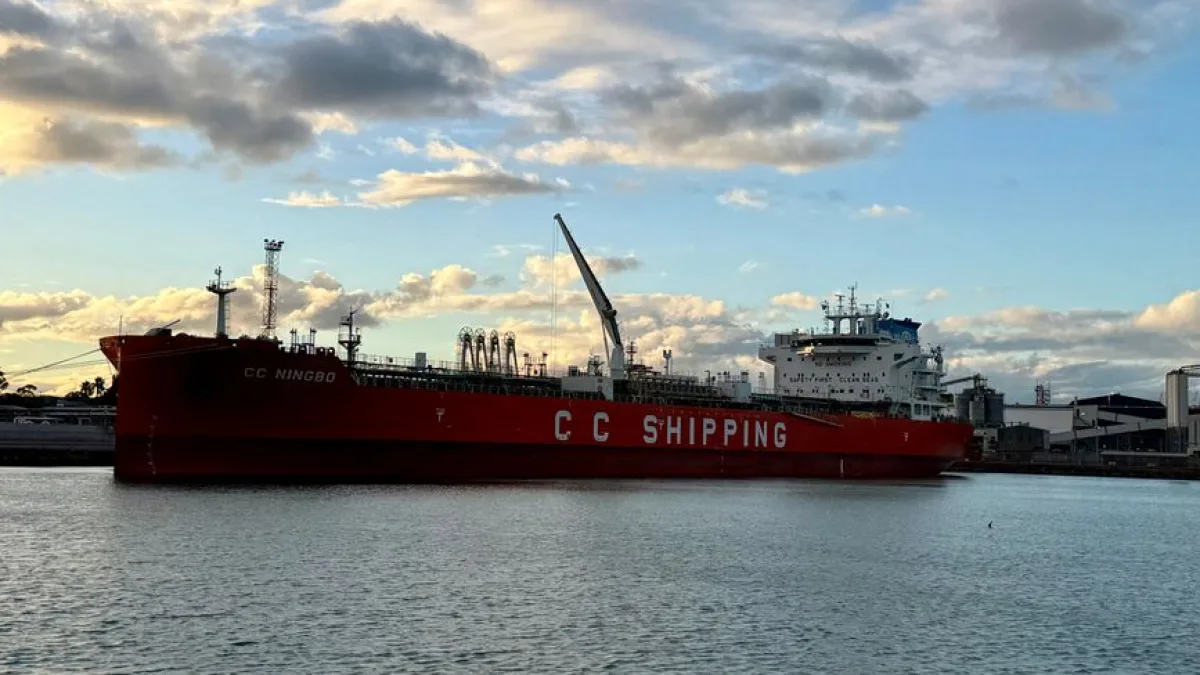
The transition to digital-first operations remains the most critical investment for freight forwarders aiming to survive and thrive. By embracing cloud technology, real-time visibility, and streamlined documentation, you position your firm as an essential partner in a high-speed global economy. Start evaluating your internal processes today to identify which manual bottlenecks you can replace with automated, scalable solutions that drive long-term business growth.