Navigating the Future of Digital Freight Forwarding Efficiency
Saturday, October 3 2026

The global logistics landscape is undergoing a significant transformation as digital integration becomes the standard for modern freight forwarders. Companies are no longer relying on manual spreadsheets to manage complex supply chains, opting instead for cloud-based platforms that provide real-time visibility and enhanced data analytics. This shift is driven by the urgent need for operational agility in an increasingly volatile market. As technology continues to evolve, forwarders must adapt their strategies to maintain competitive advantages while meeting the high expectations of their global clients who demand speed, transparency, and reliable communication throughout the entire shipping process.
Optimizing Port Operations
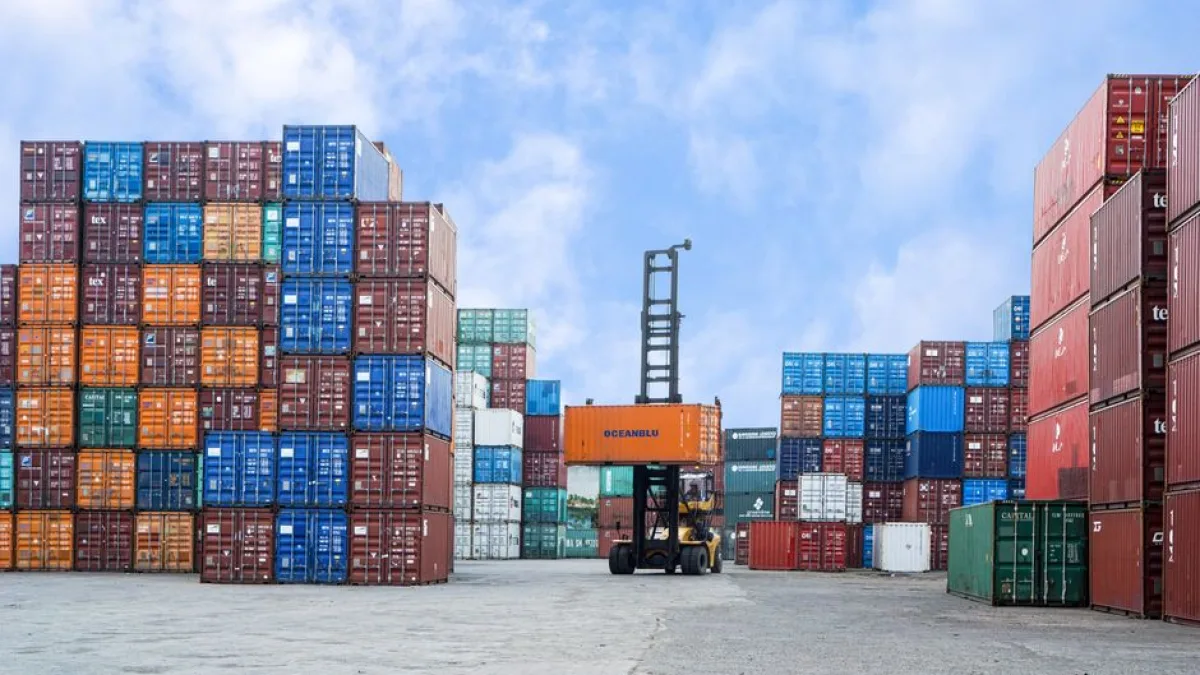
Port terminals are rapidly becoming the primary testing ground for automated logistics solutions. By integrating smart software, companies can predict bottlenecks before they cause delays. This level of oversight ensures that cargo flows smoothly from the vessel to the final delivery destination.
- Predictive delay analytics: Advanced algorithms analyze historical port congestion data to forecast potential arrivals and departures, allowing freight forwarders to proactively reroute shipments to avoid costly time sitting at berth.
- Automated gate processing: Digital documentation and automated gate systems reduce manual check-in times, enabling truck drivers to move containers through busy terminal gates with significantly less friction or wait.
- Real-time visibility tools: Live tracking integration provides immediate updates on container status, which empowers your team to inform clients of arrivals and departures with pinpoint accuracy and confidence.
- Resource allocation planning: Smart software optimizes the deployment of yard equipment and personnel based on incoming vessel schedules, ensuring maximum efficiency during peak handling hours at every major port.
By investing in these advanced tools, forwarders gain a clear view of their operations that was previously impossible. This visibility allows teams to make data-driven decisions that save both time and money. As port infrastructure continues to modernize, those who leverage digital insights will lead the industry in reliability, setting a new benchmark for operational excellence across all international trade routes.
Revolutionizing Documentation Management

Paperwork remains one of the largest obstacles to efficient logistics management. Digital platforms now allow for the electronic transfer of bills of lading and customs declarations, eliminating the need for physical copies and drastically reducing human error during data entry.
- Automated form generation: Cloud software automatically populates essential shipping documents using existing database entries, which eliminates repetitive manual data entry tasks and prevents critical errors in document processing.
- Cloud document storage: Secure centralized repositories allow authorized personnel to access vital shipment files from anywhere in the world, facilitating seamless collaboration across different global office locations.
- Instant customs compliance: Integrated regulatory databases update automatically to reflect changing international trade laws, ensuring your documentation always meets the strict requirements of local and global authorities.
- Encrypted digital signatures: Built-in electronic signature features enable clients and partners to sign contracts or permits instantly, bypassing traditional mail services and accelerating the entire shipping process timeline.
Adopting a paperless workflow is no longer just a trend, but a necessary step for remaining competitive in the freight industry. By digitizing documents, forwarders reduce the administrative burden that slows down operations. This shift improves speed and enhances data security. Forward-thinking companies that embrace these changes will find themselves better positioned to handle complex customs requirements while maintaining high levels of client satisfaction.
Strengthening Carrier Communication

Strong communication lines between freight forwarders and ocean carriers are essential for managing global supply chains. Digital platforms act as a central hub, ensuring that all parties receive the same updates, reducing misunderstandings, and fostering a collaborative environment for everyone.
- Centralized communication logs: Keeping all emails and notes within the platform creates a transparent record of all discussions, which prevents loss of information during staff transitions or delays.
- Carrier performance scoring: Data tracking features allow companies to evaluate carrier reliability over time, helping forwarders select the best partners for specific routes based on actual performance history.
- Dynamic quote requests: Integrated portals allow for rapid bidding and booking, providing you with competitive rates from multiple carriers instantly rather than waiting on long email chains.
- Instant status notifications: Automated alerts keep all stakeholders informed about schedule changes or vessel delays, fostering trust through consistent communication and proactive updates on critical shipment milestones.
When communication is streamlined, the risk of error decreases significantly, leading to more profitable operations. Freight forwarders who prioritize digital connectivity build stronger relationships with their carrier partners, creating a network that can handle challenges with ease. This transparency is key to building long-term trust with customers. Ultimately, technology serves as the foundation for the resilient partnerships needed in global freight logistics.
Enhancing Client Transparency

Providing clients with a portal to track their shipments is the best way to improve retention and build brand loyalty. Today's customers expect to see their cargo status at any time, and giving them this power allows you to focus on growth.
- Personalized client portals: Dedicated login pages provide customers with private access to their shipment history and current status updates, effectively reducing the volume of incoming status inquiry emails.
- Custom automated reporting: Scheduled report generation provides clients with detailed performance data, demonstrating the value you provide as a forwarder and strengthening the overall business partnership over time.
- Interactive shipment maps: Visual tracking interfaces show the exact location of goods in transit, which offers clients peace of mind and reinforces the reliability of your shipping services.
- Proactive issue resolution: Automated alerts inform both the forwarder and the client if an issue occurs, allowing for swift collaborative planning to mitigate any potential impact on delivery.
Transparency is the most valuable commodity in modern logistics. By giving your customers the tools to track and analyze their cargo movements, you turn a standard service into a premium experience. This level of service differentiates your company in a crowded market. When customers feel informed and in control, they are far more likely to return for future shipping needs and refer others.
Conclusion

Modernizing your freight forwarding business through digital solutions is the most effective way to secure long-term growth and operational success. By prioritizing efficiency in port operations, documentation, communication, and client experience, you create a robust framework that supports your goals. Embrace these technological advancements today to transform your daily workflows and deliver superior value to your global network of partners and shipping customers.