Navigating the Future of Digital Freight Forwarding Efficiency
Sunday, October 4 2026
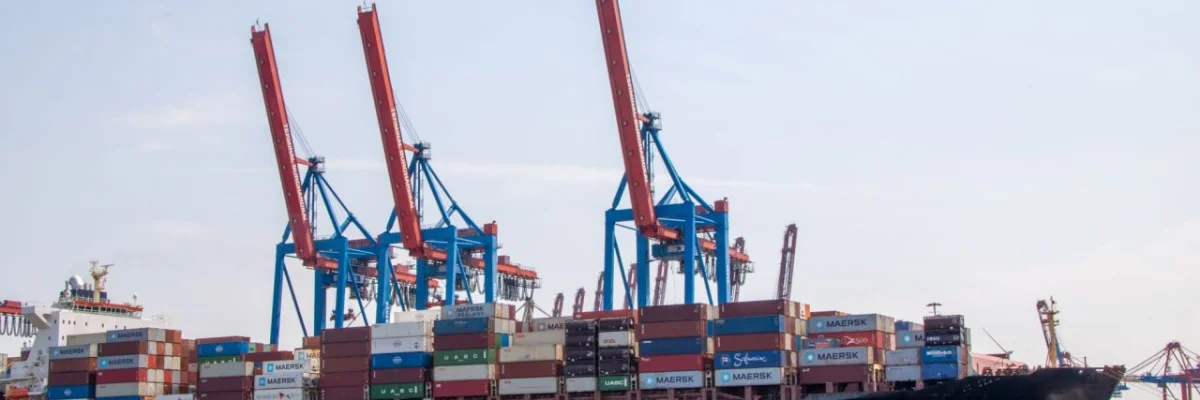
The global logistics landscape is undergoing a profound transformation driven by rapid technological integration and shifting trade dynamics. Freight forwarding professionals now operate in an era where data visibility and operational agility serve as the primary competitive advantages. As supply chains grow more complex, the need for robust software solutions that unify fragmented processes becomes increasingly vital. By leveraging cloud-based platforms, forwarders can eliminate manual bottlenecks, improve transparency, and deliver superior service to their clients. This article explores essential strategies for modernizing your operations to ensure long-term profitability and resilience in an unpredictable market environment.
Optimizing Warehouse Inventory Management
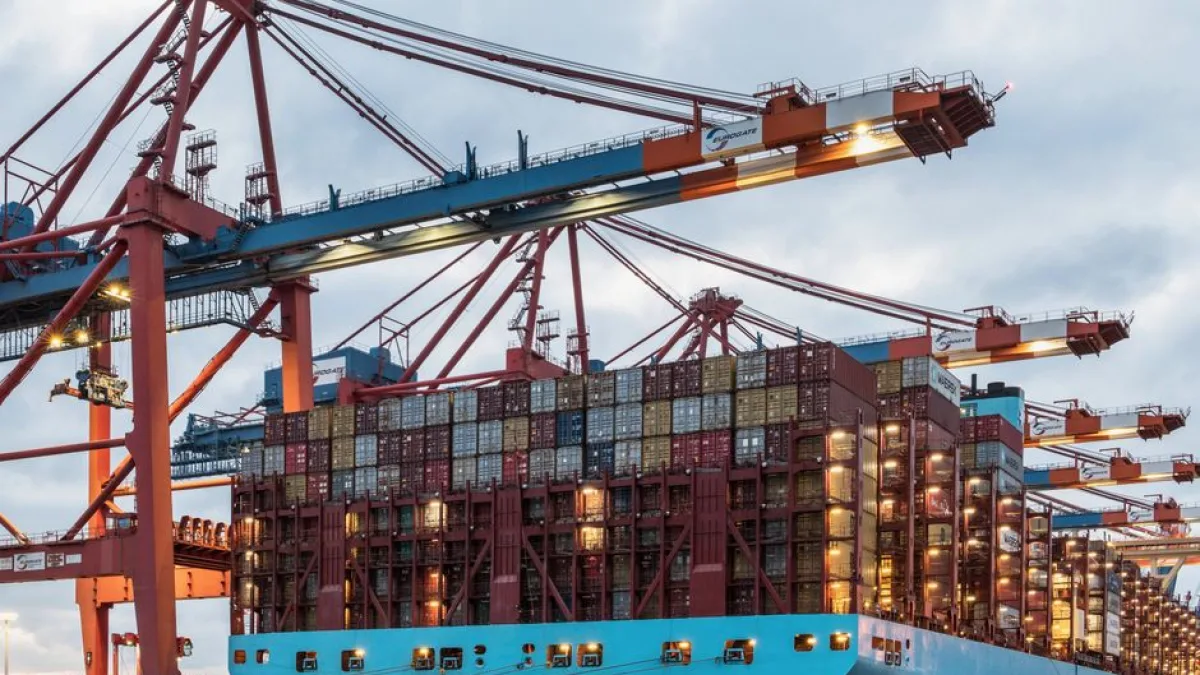
Effective inventory management serves as the backbone of successful freight logistics, ensuring that goods move seamlessly from point A to point B. Modern software platforms provide real-time updates that allow forwarders to track stock levels accurately while minimizing costly storage delays.
- Predictive stock tracking: Utilize advanced software algorithms to forecast demand spikes and prepare your warehouse space accordingly. This proactive approach prevents resource shortages and enhances overall shipment planning efficiency for clients.
- Automated inventory scanning: Implement modern barcode and RFID systems to reduce manual entry errors significantly. Digital scanning ensures that every item is accounted for throughout the entire transit lifecycle.
- Integrated warehouse reporting: Generate comprehensive reports that highlight performance metrics and potential bottlenecks. Data-driven insights empower managers to make informed decisions that improve throughput and reduce operational overhead costs.
- Cross docking solutions: Streamline the flow of goods by utilizing efficient cross docking methods to bypass long-term storage requirements. This strategy accelerates delivery times and improves overall supply chain speed.
Adopting these inventory management practices allows your firm to maintain a competitive edge while reducing physical overhead. By digitizing the tracking process, you eliminate the guesswork that often leads to errors or delays. As your team gains familiarity with these automated tools, you will notice a significant decrease in administrative tasks, freeing up valuable time for strategic client relationship management and business development efforts.
Leveraging Real-Time Shipment Tracking

Visibility is no longer a luxury but a fundamental expectation in the current logistics market. Providing clients with live tracking capabilities builds lasting trust and prevents unnecessary communication overhead regarding the specific status of their sensitive cargo during international transit.
- Live GPS updates: Provide clients with accurate location data for their shipments across land, air, and sea. Real-time updates minimize anxiety for stakeholders and ensure proactive handling of potential issues.
- Automated status notifications: Configure your software to send instant alerts to clients whenever a milestone is reached. Consistent communication reduces the volume of manual status inquiry emails significantly.
- Interactive client portals: Offer a centralized digital gateway where customers can access documents and track progress independently. Self-service tools improve user satisfaction and reduce operational service burdens.
- Carrier performance analytics: Monitor the reliability of your partners through integrated performance dashboards. Identifying high-performing carriers helps you optimize your network and avoid consistent delivery failures in transit.
Transparency acts as a powerful differentiator in a crowded marketplace where service quality dictates client retention. By providing clear and accessible tracking data, you transform the customer experience from reactive to proactive. Implementing these technical solutions signals to your partners that your firm is committed to modern standards. This level of service excellence will likely lead to increased referrals and long-term partnerships.
Managing Complex Customs Documentation

Navigating the intricacies of international customs remains one of the most challenging aspects of freight forwarding. Automating the preparation and submission of essential documentation reduces the risk of human error and helps your shipments move through borders without expensive delays.
- Digital document storage: Maintain all customs declarations and certificates within a secure cloud-based repository. Instant access ensures that your team can respond rapidly to requests from authorities.
- Compliance verification tools: Use automated software checks to ensure every declaration meets the latest international trade regulations. Keeping compliant protects your business from heavy fines and legal complications.
- Error reduction workflows: Implement validation layers that flag missing information before documents are submitted. Pre-submission checks significantly reduce the rate of document rejection by customs authorities worldwide.
- Standardized data templates: Create reusable templates for recurring shipping lanes to ensure consistency across all documentation. Uniformity simplifies the filing process and accelerates the entire export clearance cycle.
Mastering the documentation process requires both technical expertise and the right software infrastructure to handle complex data sets. When your team relies on automated tools, they can focus their attention on handling exceptions rather than routine filing. This shift improves speed and accuracy, ensuring that goods reach their destination on time while maintaining strict compliance with evolving international trade laws and regulations.
Integrating Financial Management Systems

Seamless integration between logistics operations and financial systems is essential for maintaining a healthy bottom line. When billing and invoicing are tied directly to shipment milestones, your firm benefits from improved cash flow management and reduced administrative errors in accounts receivable.
- Automated invoice generation: Trigger professional invoices automatically based on shipment status updates within your system. Timely billing ensures faster payment cycles and improves overall financial clarity for managers.
- Expense tracking modules: Record all shipping costs and third-party fees instantly to maintain an accurate view of project profitability. Real-time expense monitoring allows for precise budget management.
- Multi-currency support features: Handle international transactions effortlessly with systems that support automatic currency conversions and tax calculations. Supporting global operations is critical for growth in today's markets.
- Financial reporting dashboards: Visualize your revenue streams and operational costs through intuitive, easy-to-read charts. Clear financial data supports smarter decision-making regarding pricing strategies and operational investments.
Integrating your financials directly into your freight management software provides a holistic view of your business health. You no longer have to reconcile disparate spreadsheets, which saves time and minimizes costly errors. This financial precision empowers you to scale operations with confidence, knowing that your revenue tracking is as efficient as your physical shipping processes. Success relies on consistent data across departments.
Conclusion

Embracing digital transformation is the definitive path forward for any freight forwarding professional aiming to thrive in this competitive environment. By automating inventory, tracking, documentation, and financial systems, you create a robust foundation for long-term success. Evaluate your current operational workflows today and identify where cloud-based tools can drive efficiency, ensuring your firm remains at the forefront of the global logistics industry.