Navigating the Future of Digital Freight Forwarding Efficiency
Monday, October 5 2026
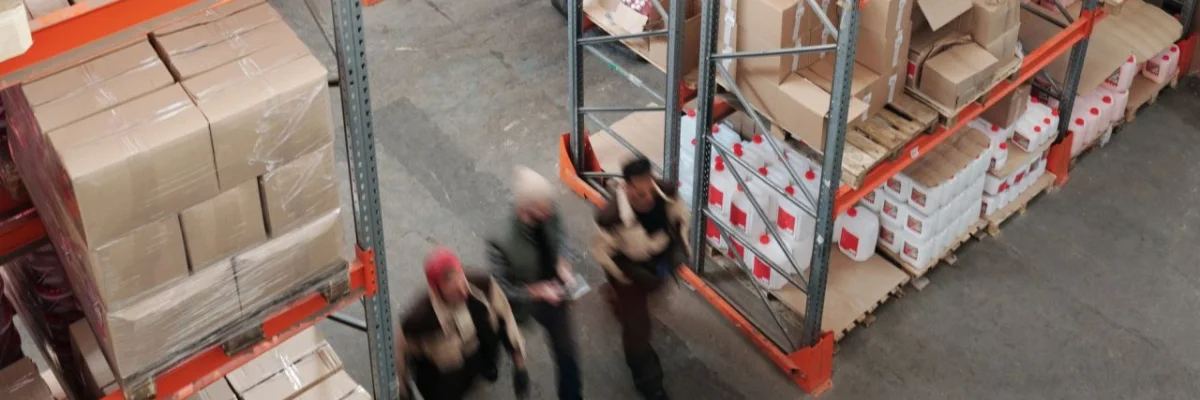
The global logistics landscape is undergoing a massive transformation as freight forwarders shift toward digital maturity to maintain a competitive edge. Manual processes and siloed data systems are rapidly becoming liabilities in a market that demands real-time visibility and immediate agility. As supply chain complexities rise, logistics providers must embrace automated cloud solutions to optimize operational workflows. This transition is not merely an optional upgrade but a core requirement for surviving in an era of unpredictable market fluctuations. By adopting modern software architecture, forwarders can enhance their service delivery while significantly reducing the administrative overhead that typically hampers high-volume global cargo operations.
Automating Complex Booking Workflows

Effective automation of booking processes allows teams to move away from tedious manual data entry and email coordination. By integrating smart software solutions, agencies can centralize communication and ensure that every booking request is processed with maximum speed and total accuracy.
- Instant quote generation: Automated systems calculate complex shipping rates by analyzing real-time data from multiple carriers, allowing teams to provide accurate client quotes in seconds rather than several business hours.
- Digital document management: Cloud-based platforms centralize all bills of lading and commercial invoices, ensuring that your staff can access essential documentation from anywhere without searching through disorganized physical filing cabinets.
- Smart booking validation: Advanced software tools automatically check booking information for potential errors or missing requirements before submission, significantly reducing the frequency of costly cargo delays or customs rejections.
- Integrated communication portals: Client-facing portals allow customers to track their shipments and request new bookings directly, minimizing the time your staff spends answering basic status updates via telephone calls.
Optimizing these workflows transforms the way your team handles high-volume requests while minimizing human error. When automation manages the repetitive tasks, your logistics professionals can refocus their efforts on strategic planning and building stronger relationships with high-value shippers. This shift not only improves individual productivity but also elevates the quality of service provided to your global clients who expect constant digital transparency today.
Enhancing Real-time Shipment Visibility

Visibility is the backbone of modern freight forwarding because shippers demand constant awareness of their cargo status. Modern digital platforms provide a comprehensive view of global movements, enabling proactive management of exceptions and potential bottlenecks throughout the entire shipping journey.
- Live tracking updates: Integrating API connections with major ocean carriers allows your software to pull real-time location data, giving clients accurate information about their cargo at every single port.
- Exception management alerts: Automated notification systems alert your team the moment a delay occurs, allowing for rapid intervention before minor schedule slippages become major operational disruptions for the client.
- Carrier performance analytics: Systematic tracking of carrier transit times helps your firm identify which partners provide the most reliability, empowering you to make data-driven decisions for future bookings.
- Customized client dashboards: Provide your customers with a secure, personalized portal where they can monitor their own cargo movements, which increases client trust and reduces daily inquiry volume.
Providing granular visibility is no longer a luxury feature but an essential requirement for retaining global enterprise customers. By utilizing cloud-based monitoring tools, your freight forwarding company creates a transparent environment that fosters long-term loyalty and reduces the frequency of urgent status requests. Proactive management turns potential logistical crises into handled events, ensuring your reputation remains solid even when global supply chains face challenges.
Optimizing Financial and Billing Processes

Financial health depends on the speed and accuracy of your invoicing cycles, which often suffer when handled manually. Transitioning to integrated billing modules minimizes the gap between shipment completion and revenue recognition, ensuring that cash flow remains consistent and healthy.
- Automated invoice creation: Software automatically generates professional invoices based on the confirmed shipment data, eliminating the need for manual calculations that often lead to undercharging or billing disputes.
- Streamlined payment processing: Online payment gateways allow clients to pay invoices directly through your platform, which significantly accelerates your company account receivables cycle and reduces collection delays effectively.
- Real-time cost tracking: Monitor your landed costs for every single shipment in real-time to ensure that profit margins are maintained and potential cost overruns are identified early enough.
- Currency management tools: Handle international shipments with ease using automated conversion tools that manage multi-currency transactions, ensuring your accounting remains accurate across different regional markets and global zones.
Streamlining the billing cycle is perhaps the most effective way to improve the bottom line of a freight forwarding business. By removing the friction often associated with manual invoicing, you enable your finance department to operate with greater speed and precision. This digital approach protects your profit margins and allows for more accurate financial forecasting during volatile periods in the global shipping industry.
Scaling Operations Through Cloud Technology

Scalability requires a technological foundation that can grow alongside your cargo volume without requiring massive infrastructure investments. Cloud-native software offers the flexibility needed to expand service offerings into new markets while maintaining operational control and data security across multiple global offices.
- Unlimited user capacity: Cloud platforms allow you to add new team members or additional office locations instantly without needing to upgrade local servers or manage complex hardware configurations.
- Enhanced data security: Professional cloud providers implement enterprise-grade security protocols, including regular data backups and encryption, to ensure your business information remains protected from malicious cyber threats or loss.
- Remote access capabilities: Empower your workforce to manage shipments from any location by providing a secure web-based interface that works seamlessly on any modern desktop or mobile device.
- Seamless software integration: Connect your forwarding platform with other essential business tools like accounting software or CRM systems to create a unified digital ecosystem that saves time.
As your freight forwarding company scales, the ability to maintain operational consistency is vital for maintaining high service standards. Leveraging cloud technology gives you the structural flexibility to adapt to changing market conditions and client requirements rapidly. By investing in scalable software today, you ensure that your business remains agile, secure, and ready to capture new opportunities regardless of how fast your cargo volumes grow.
Conclusion
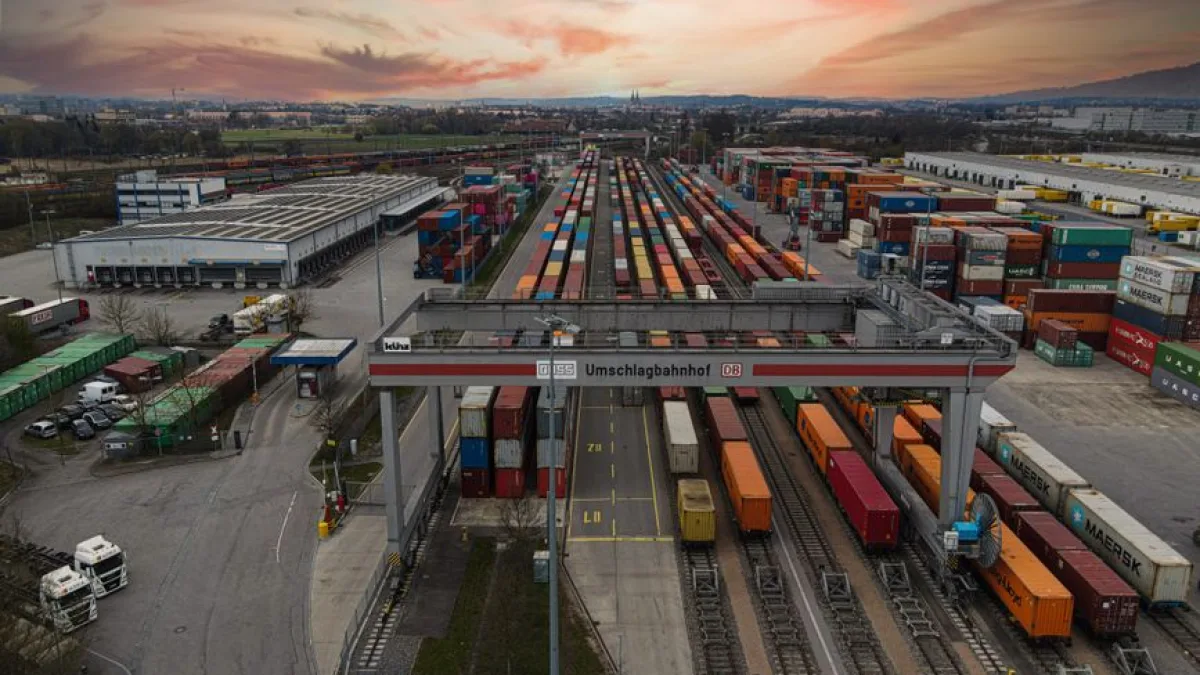
Adopting digital software is the definitive way to thrive in the modern freight forwarding environment. By automating complex tasks, improving visibility, and optimizing financial processes, forwarders can provide superior service while maintaining profitability. Start your transformation by evaluating your current bottlenecks and selecting a platform that aligns with your specific growth goals. A more efficient future in logistics begins with the right technology choices today.