Navigating the Future of Digital Freight Forwarding Efficiency
Monday, October 12 2026
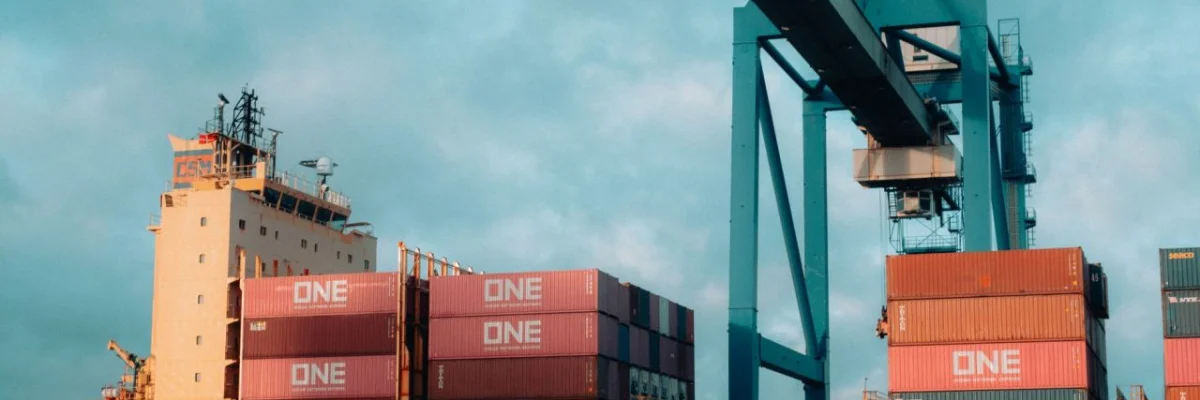
The global logistics landscape is undergoing a massive transformation as freight forwarders shift away from manual processes toward automated digital ecosystems. As capacity constraints persist and shipper expectations for real-time visibility rise, the demand for integrated cloud software has never been higher. Leading organizations are now prioritizing operational agility and data-driven decision-making to maintain competitive advantages in a volatile market. By embracing modern technology, forwarders can optimize complex supply chains while simultaneously reducing overhead costs and human error. This evolution is not merely an optional upgrade but a fundamental requirement for long-term sustainability and growth in the modern international shipping industry.
Optimizing Port Operations
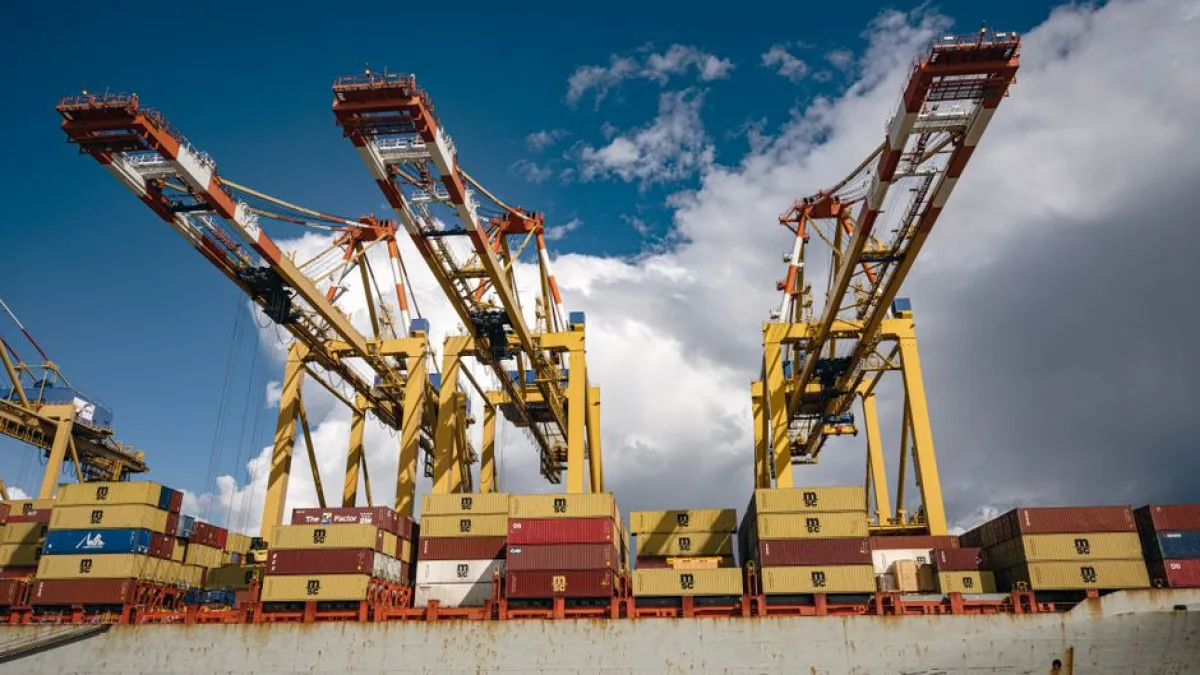
Port terminals remain the heartbeat of global trade, yet they often face severe congestion and processing bottlenecks. Implementing digital tracking tools allows forwarders to synchronize arrivals with landside transportation, ensuring that cargo moves seamlessly from ship to truck without unnecessary delays or storage fees.
- Real-time vessel tracking: Advanced satellite integration provides constant updates on vessel status and arrival times, allowing your logistics team to proactively manage schedules and avoid costly detention charges at ports.
- Automated gate processing: Digital platforms communicate directly with terminal operating systems to automate gate movements, significantly reducing wait times for drivers and improving overall warehouse throughput for busy shippers.
- Equipment availability status: Accessing live data on chassis and container availability ensures that your dispatchers can plan ground movements efficiently, eliminating wasted trips and improving fleet resource utilization rates.
- Customs clearance automation: Pre-clearing goods through automated documentation workflows ensures that shipments are ready for immediate release upon arrival, preventing long delays within restricted customs holding areas at the dock.
By streamlining how information flows between port authorities and logistics providers, companies can significantly reduce their operational downtime. These enhancements create a more predictable environment, allowing forwarders to promise more accurate delivery windows to their end clients. When technology bridges the gap between terminal complexity and administrative efficiency, your team spends less time fixing issues and more time focusing on scaling your overall business operations.
Enhancing Shipment Visibility

Modern shippers demand granular visibility into their freight at every stage of the transit journey. Implementing a centralized dashboard provides stakeholders with clear insights into cargo locations, status changes, and potential risks, fostering greater trust through transparency and consistent communication.
- Live GPS tracking: Integrating live location data from carriers directly into your software gives clients a birds-eye view of their freight movement across international borders in real time.
- Automated status alerts: Configure personalized notification triggers that send instant updates to clients via email or text whenever a shipment reaches a major transit milestone or port.
- Exception management tools: Identify potential delays or route disruptions early using proactive analytics, allowing your team to inform clients and provide alternative shipping solutions before problems escalate.
- Digital document access: Provide customers with secure portals where they can view and download invoices, bills of lading, and customs documents without needing to send individual requests.
Total visibility is no longer just a premium service but a core expectation from modern shippers. When you offer clear insight into the supply chain, you build lasting relationships based on reliability and professionalism. Leveraging a cloud-based platform to manage these data streams ensures that your team remains the primary source of truth, ultimately leading to higher customer retention and long-term loyalty.
Streamlining Financial Workflows

Accounting in freight forwarding involves massive volumes of invoices and multi-currency transactions that can easily become unmanageable. Modern cloud software automates billing cycles and payment tracking, ensuring that cash flow remains consistent and that revenue leakage is minimized through precise automated reconciliation.
- Automated invoice creation: Generate professional invoices based on pre-set shipping rates and actual cargo data to reduce manual entry errors and speed up the total billing cycle.
- Multi-currency management: Handle global transactions with ease by utilizing built-in currency conversion tools that account for current exchange rates, protecting your margins during complex international cargo shipments.
- Payment status tracking: Monitor outstanding balances and automate gentle reminders to clients, which helps maintain a healthy cash flow and improves your overall financial collection performance statistics.
- Integrated accounting sync: Push financial data seamlessly to your primary accounting software to maintain accurate records and ensure that tax reporting remains compliant with all local regulations.
Optimizing your back-office functions saves your team countless hours of manual labor while reducing the likelihood of expensive billing disputes. By creating a unified financial environment, you get a clearer picture of your company profitability on a shipment-by-shipment basis. This level of financial control empowers management to make informed strategic decisions that support growth while keeping operational overhead within manageable, sustainable levels.
Future-Proofing Your Business

Industry standards are shifting rapidly as artificial intelligence and machine learning begin to influence logistics strategy. Preparing your business for future challenges requires a flexible technology infrastructure that can adapt to changing market conditions and emerging customer demands without requiring constant costly system overhauls or physical hardware.
- Scalable cloud infrastructure: Utilize a software platform that grows with your business needs, allowing you to add new users, branches, or features as your shipping volume increases.
- AI predictive analytics: Leverage machine learning models to analyze historical shipping trends, helping your team forecast future demand and optimize route planning for better efficiency and profit.
- API connectivity tools: Connect your forwarding software with carrier networks, warehouse systems, and e-commerce platforms to create a cohesive data ecosystem that eliminates silos across your business.
- Secure data storage: Protect sensitive client and shipping information with enterprise-grade encryption and automated cloud backups, ensuring business continuity even in the event of local hardware failure.
Investing in scalable technology ensures your organization remains agile regardless of external economic fluctuations or sudden shifts in market demand. By choosing a cloud-native platform, you position your firm to adopt new innovations instantly as they become available. This proactive stance keeps your service offerings fresh and highly relevant, ultimately ensuring your company remains a leader in the fast-paced global freight industry.
Conclusion

Successfully navigating the modern freight landscape requires a commitment to digital transformation and continuous process improvement. By leveraging cloud-based platforms to automate operations, you gain the efficiency needed to thrive in a competitive market. Start auditing your current manual workflows today to identify opportunities for integration. Embracing these technological advancements will empower your team to deliver superior value and secure your future growth.