Navigating the Future of Digital Freight Forwarding Efficiency
Tuesday, October 20 2026

The global logistics landscape is undergoing a rapid transformation driven by technological innovation and shifting supply chain demands. For freight forwarders, staying competitive requires moving beyond legacy systems toward integrated, cloud-based software solutions that offer real-time visibility and automated workflows. As market volatility continues to challenge traditional operational models, digital maturity has become the primary differentiator for firms aiming to scale effectively. This article examines the core pillars of digital modernization, offering actionable insights for logistics professionals to optimize their operations, enhance client communication, and secure long-term growth in an increasingly complex and interconnected international trade environment.
Optimizing Supply Chain Visibility
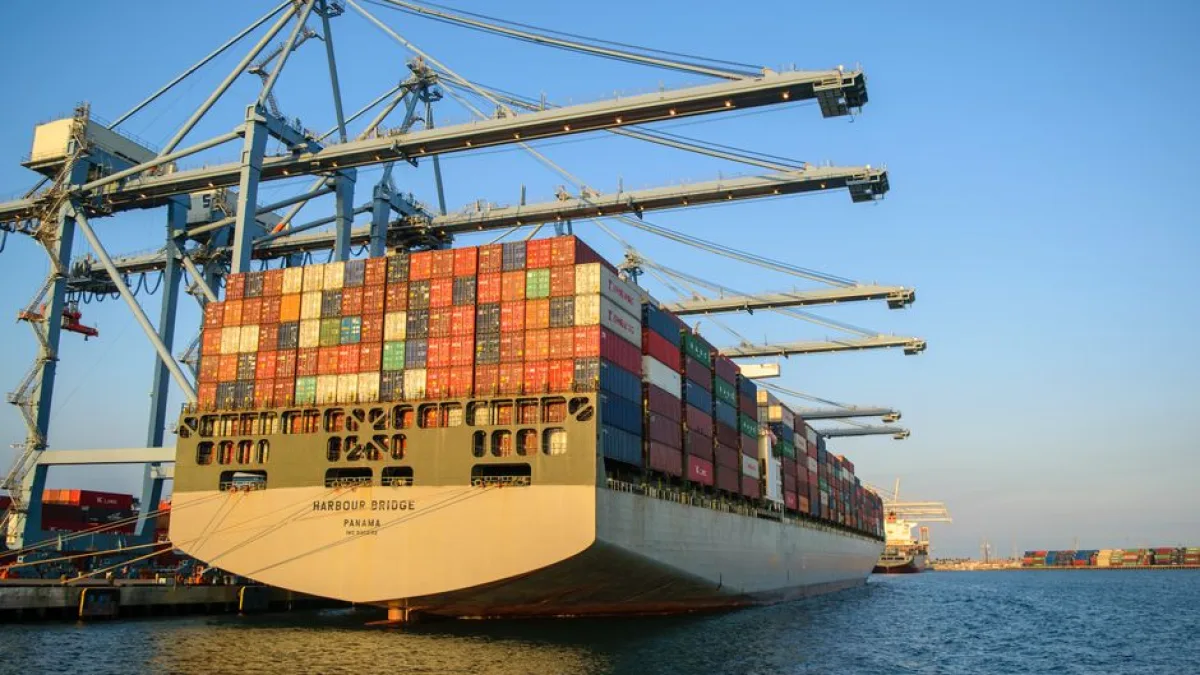
Real-time visibility acts as the backbone of modern freight forwarding, allowing companies to track shipments with precision. By leveraging advanced cloud platforms, forwarders provide clients with accurate data points, reducing uncertainty and fostering trust throughout the entire international shipping journey.
- Automated status updates: Automated systems generate instant notifications for every shipment milestone, ensuring that both internal teams and end customers receive precise tracking data without requiring manual status checks.
- Predictive delay analytics: Machine learning algorithms analyze historical port congestion and weather patterns to predict potential delays, allowing forwarders to proactively reroute shipments before critical bottlenecks impact delivery.
- Centralized document management: Digital platforms consolidate bills of lading, customs invoices, and insurance documents into a single searchable repository, drastically reducing the time staff spend searching for physical paperwork.
- Real-time carrier integration: Direct API connections with ocean and air carriers allow for seamless data synchronization, ensuring that tracking details remain accurate from port of origin to final destination.
- Improved partner transparency: Cloud portals grant external agents and transporters access to relevant shipment details, eliminating communication silos and creating a unified digital ecosystem for all stakeholders involved.
Adopting sophisticated visibility tools allows freight forwarders to shift from a reactive stance to a proactive management style. When information flows freely across a digital network, operational friction disappears, and client satisfaction levels soar. Investing in these technologies is no longer an optional luxury but a necessity for firms aiming to maintain a competitive advantage in a demanding global market where speed and accuracy remain paramount.
Streamlining Customs Clearance Processes

Customs compliance remains one of the most significant hurdles in international freight movement. By digitizing the declaration process, forwarders can minimize human error, reduce inspection hold-ups, and ensure that every shipment adheres to the complex regulatory frameworks governing modern cross-border trade.
- Automated classification tools: Intelligent software automatically matches products to correct HS codes, preventing costly mistakes and potential penalties that often arise from manual data entry and classification errors.
- Compliance verification engine: Built-in validation checks flag missing documentation or incorrect tax information before submission, ensuring that filings meet strict local authority requirements for rapid customs clearance approval.
- Digital signature integration: Secure electronic signature features accelerate the authorization process, removing the need for physical printing, signing, and scanning of documents during time-sensitive export or import operations.
- Tariff database syncing: Platforms update automatically with the latest global trade regulations and tariff shifts, providing staff with current insights to manage costs and avoid unexpected customs surcharges.
- Audit trail preservation: Detailed digital logs record every change or document submission, offering full transparency for internal audits and external regulatory inquiries into historical freight and customs activities.
Efficient customs processes are essential for maintaining the velocity of global supply chains. By replacing manual paperwork with automated compliance checks, forwarders save countless hours and mitigate the financial risks associated with regulatory non-compliance. Mastering these digital workflows empowers logistics providers to offer faster, more reliable services while simultaneously enhancing their professional reputation among global importers who depend on seamless border transitions.
Enhancing Client Communication Channels

Strong relationships drive success in freight forwarding. Modern clients expect high levels of communication, mirroring the digital experience they receive from consumer platforms. Providing personalized, accessible information through dedicated client portals increases retention and strengthens the professional bond between forwarders and shippers.
- Interactive client portals: Dedicated customer hubs provide 24/7 access to shipment status, quotes, and invoices, giving clients total control over their supply chain data through a secure browser interface.
- Instant quote engines: Digital quoting tools allow forwarders to deliver instant, accurate freight estimates based on current rates, which helps clients make faster booking decisions without waiting for emails.
- Secure document sharing: Encrypted file exchange ensures that sensitive trade documents are shared safely between forwarders and shippers, minimizing the risk of data leaks and unauthorized document access.
- In-app messaging support: Built-in chat features allow for quick problem-solving and direct communication, fostering a collaborative environment that replaces fragmented email chains with clear, actionable dialogue threads.
- Customizable reporting dashboards: Clients can generate their own performance reports, focusing on key metrics like transit times and costs, which adds significant value to the partnership beyond basic freight.
Clear communication is the heartbeat of a successful freight forwarding operation. By providing self-service tools and responsive digital messaging, logistics providers demonstrate a commitment to customer centricity that goes beyond standard industry expectations. These enhancements not only save valuable time but also position the forwarder as a strategic partner capable of delivering high-quality, tech-enabled support that aligns perfectly with modern business needs.
Scaling Operations Through Automation

As cargo volumes fluctuate, forwarders need scalable processes that do not rely on excessive manual labor. Automation allows firms to handle higher transaction counts without ballooning overhead costs, providing the flexibility needed to navigate the inevitable peaks and troughs of the global logistics industry.
- Dynamic workflow automation: Software triggers tasks such as email generation or internal notifications based on specific triggers, ensuring that no shipment step is forgotten during busy peak seasons.
- Automated billing cycles: Financial automation matches freight charges against quotes automatically, drastically reducing accounting errors and speeding up the invoicing process for improved cash flow management cycles.
- Vendor management systems: Automated onboarding and performance tracking for trucking and warehouse partners ensure that every link in the supply chain maintains the required quality and speed standards.
- Data-driven operational insights: Analytics dashboards provide managers with deep visibility into profitability per lane or client, allowing for better strategic decision-making regarding which business segments to pursue.
- Resource allocation optimization: Smart scheduling tools help managers assign tasks based on staff capacity, ensuring that labor is used efficiently even during periods of heavy shipping activity.
Scaling a freight forwarding business requires a solid technological foundation that can handle increased load without compromising service quality. By automating repetitive administrative tasks, teams can focus on high-value activities like relationship building and strategic planning. This shift toward operational intelligence ensures that forwarders remain agile, capable of adapting to market changes while maintaining the consistency and speed that their clients demand daily.
Conclusion

Modernizing freight forwarding is a strategic imperative in today fast-paced digital economy. By embracing cloud software to improve visibility, compliance, communication, and automation, logistics professionals can overcome industry volatility and scale their operations effectively. Start your journey toward operational excellence today by evaluating your current tech stack. Integrating MakeCargo into your workflow will ensure you remain ahead of the competition while delivering superior service every time.