Navigating the Future of Digital Freight Forwarding Efficiency
Thursday, October 22 2026

The global logistics landscape is undergoing a rapid transformation driven by technological innovation and shifting supply chain demands. For modern freight forwarders, staying competitive requires more than just traditional shipping expertise; it demands a strategic adoption of cloud-based platforms that enhance visibility and automate complex documentation workflows. As market volatility continues to challenge international trade routes, forwarders must leverage data-driven insights to mitigate risks and improve operational agility. This article explores essential strategies for modernizing your firm, optimizing client communication, and embracing the digital tools that define the next generation of successful, efficient, and resilient freight forwarding businesses.
Optimizing Global Logistics Operations
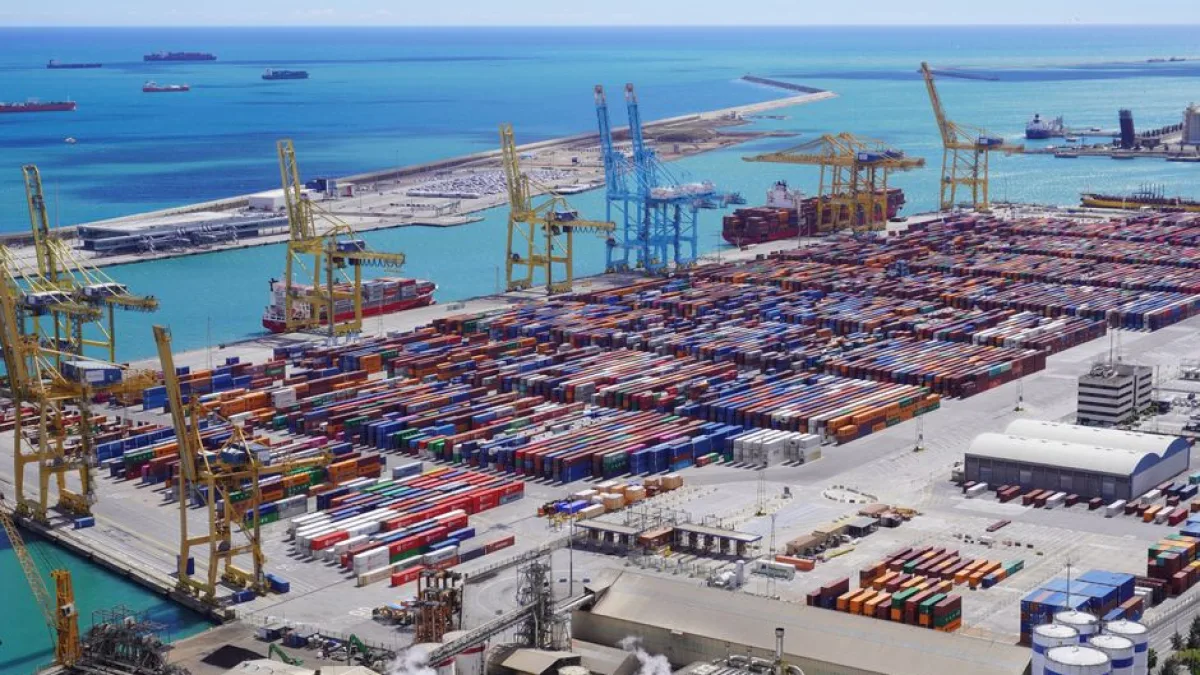
Modern port terminals act as the heartbeat of global trade, where speed and precision define the success of every shipment. Forwarders who integrate automated tracking into these hubs significantly reduce delays and improve overall service reliability for their global shipping clients.
- Real-time data visibility: Implementing cloud software allows forwarders to track shipments across multiple carriers, providing clients with immediate status updates that eliminate manual inquiries and foster deep operational trust.
- Automated document processing: Digital platforms streamline the creation of bills of lading and commercial invoices, drastically reducing the time spent on manual data entry and minimizing costly errors.
- Enhanced carrier communication: Integrating communication tools directly into your workflow ensures that updates from shipping lines are received instantly, allowing teams to adjust routing plans without delay.
- Predictive analytics adoption: Utilizing historical shipment data helps forwarders forecast potential bottlenecks at congested ports, enabling proactive planning that saves both time and significant operational capital annually.
Operational efficiency serves as the bedrock of a scalable freight forwarding business in a competitive market. By centralizing documentation and tracking within one cloud system, your team gains the ability to process more shipments with fewer resources. This transition moves staff away from administrative tasks and toward high-value client relationship building, ultimately driving growth and higher profitability for your logistics firm every single day.
Streamlining Supply Chain Connectivity
Connected networks are essential for maintaining visibility in a fragmented supply chain environment. By linking every partner from suppliers to local couriers, forwarders can create a seamless flow of information that prevents data silos and promotes complete transparency.
- Unified cloud infrastructure: Establishing a single platform for all supply chain participants ensures that everyone works from the same source of truth, effectively eliminating fragmented communication channels.
- Client portal access: Providing customers with secure login access allows them to manage their own shipments, which empowers them while reducing the administrative burden on your staff.
- API integration power: Connecting your software with external carrier systems allows for the automatic synchronization of data, ensuring that shipment milestones remain accurate throughout the journey.
- Standardized data reporting: Automated reporting tools translate raw logistics data into actionable business insights, helping your clients make smarter inventory decisions based on actual transit time performance.
Connectivity improves the client experience by removing the frustration of chasing updates through email or phone calls. When information flows freely and securely between parties, the risk of miscommunication drops significantly. Investing in these digital bridges builds a loyal client base that values the transparency and reliability provided by your firm, positioning your business as a leader in the global logistics space.
Managing International Regulatory Compliance
Navigating complex international customs regulations remains one of the most difficult challenges for forwarders. Utilizing digital tools ensures that all compliance documentation meets strict government standards, protecting your firm from potential fines and shipment seizures during transit processes.
- Automated compliance checks: Intelligent software scans documentation for missing information or regulatory discrepancies before submission, ensuring that all filings align perfectly with international import and export laws.
- Digital audit trails: Keeping an organized, immutable record of every transaction provides total security during customs audits, which simplifies verification processes and protects your company reputation long-term.
- Instant tariff updates: Dynamic systems update tax and duty information in real time, preventing sudden billing surprises for clients and maintaining transparency in every international logistics transaction.
- Secure document storage: Cloud systems offer encrypted environments for storing sensitive shipping documents, ensuring that your firm remains compliant with global data privacy and protection regulations continuously.
Compliance is not just about avoiding penalties, as it represents a core component of your professional credibility. When your team can confidently handle complex international requirements, your clients feel more secure trusting you with their high-value cargo. Developing a systematic approach to customs ensures that your operations remain smooth, fast, and entirely legally sound regardless of how government trade regulations evolve.
Building Digital Scalable Frameworks
Scaling a freight forwarding business requires a flexible technological foundation that grows alongside your customer base. A cloud-based framework provides the agility needed to onboard new clients, manage increased volume, and expand your service offerings without major infrastructure upgrades.
- Cloud flexibility benefits: Hosted platforms allow your team to work from anywhere in the world, enabling seamless collaboration across offices while maintaining high levels of operational security consistently.
- Seamless software integration: Modern systems easily connect with accounting or CRM tools, creating a unified ecosystem that supports growth and simplifies back-office management for your finance teams.
- Rapid feature deployment: Cloud providers release frequent software updates, ensuring that your firm always has access to the latest industry features without needing expensive and time-consuming installations.
- Customizable workflow automation: Tailored processes allow you to adapt your software to match your specific business model, which maximizes team productivity and enhances overall throughput during peak seasons.
Building for the future means preparing your team to handle complexity with ease. By choosing scalable software, you avoid the common trap of relying on outdated tools that limit your growth potential. As you increase shipment volume, your digital infrastructure should support your success, allowing you to maintain high service standards and gain a significant market advantage over firms using static systems.
Conclusion

The evolution of digital freight forwarding software is fundamentally changing how logistics providers operate on a global scale. By embracing these technological advancements, firms can improve operational accuracy, enhance client transparency, and scale their businesses efficiently. Start your transition to a cloud-based future today by evaluating your current workflows and identifying areas for automation. Your commitment to innovation will determine your long-term success in logistics.