Navigating the Future of Digital Freight Forwarding Efficiency
Monday, October 26 2026
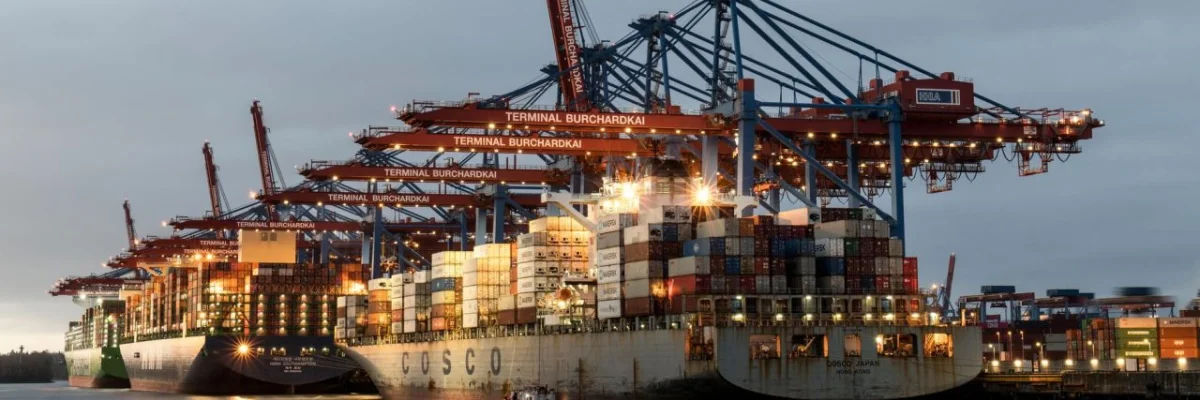
The global logistics landscape is undergoing a massive transformation driven by rapid technological adoption and changing consumer expectations. Freight forwarders are increasingly tasked with managing complex supply chains while maintaining lean operations in a volatile market environment. As digital platforms become the backbone of modern logistics, professionals must pivot toward integrated software solutions to maintain their competitive edge. By leveraging cloud-based tools, companies can finally achieve real-time visibility and operational agility. This shift is not just about keeping pace with competitors but about redefining the standard for reliability and transparency in international trade operations for all stakeholders.
Automating Complex Documentation Workflows

Streamlining the tedious manual processes involved in documentation is essential for reducing errors and accelerating shipping cycles. Modern automated systems now allow teams to handle customs forms and bills of lading with precision, significantly lowering the risk of expensive administrative delays.
- Eliminate manual data: Automated extraction tools capture critical information from scanned documents directly into your system, removing the need for repetitive manual input and reducing human error during entries.
- Standardise document templates: Consistent templates ensure that all shipping documentation meets international regulatory requirements while saving time for your operations team during the busy booking and processing cycles.
- Real time validation: Built-in validation checks flag missing fields or invalid codes immediately, ensuring that your paperwork is compliant before it ever reaches the customs authorities at ports.
- Cloud storage access: Centralised document repositories allow your team to access any manifest or invoice from anywhere in the world, fostering collaboration across your global branch office network.
By removing the burden of manual entry, freight forwarders can refocus their energy on high-level strategic tasks that drive genuine business growth. This transition towards automation creates a resilient foundation for scaling operations during peak seasons without requiring proportional increases in staff headcount. Ultimately, the move toward digital document management is a critical step in building a sustainable and highly responsive logistics business model today.
Enhancing Supply Chain Visibility
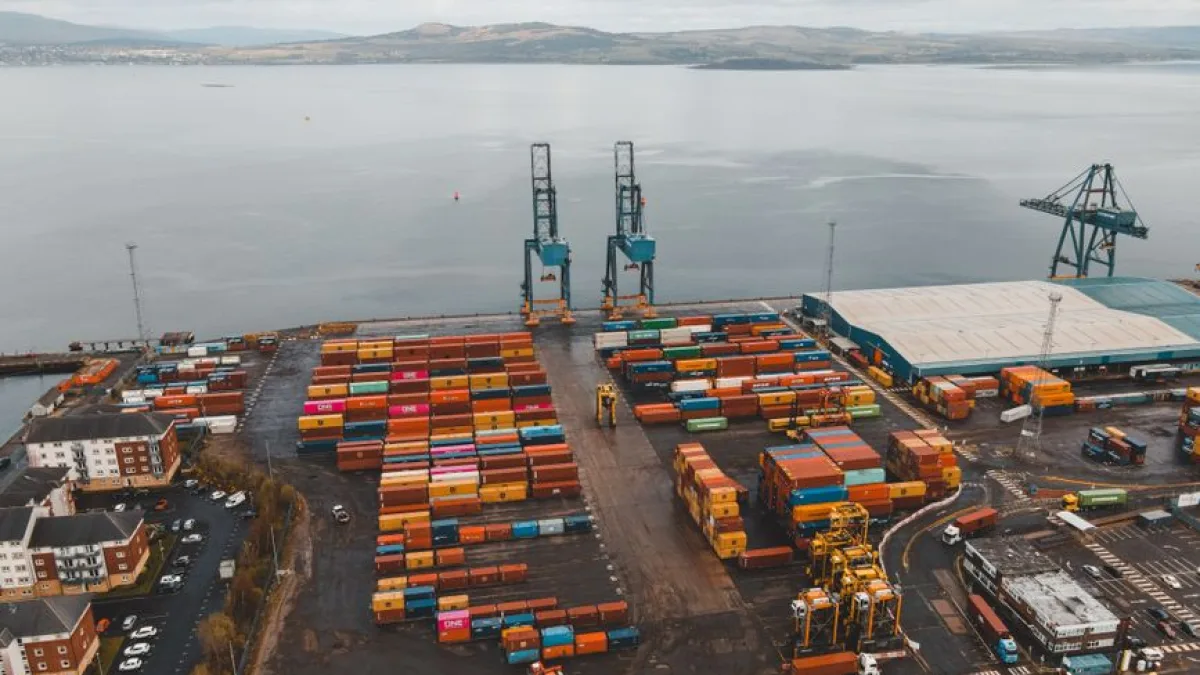
Transparency has become the primary demand from shippers who need to know the exact status of their cargo at any given moment. Cloud-based freight software provides the essential oversight required to monitor shipments across multiple transit points with absolute accuracy.
- Live tracking updates: Integrated GPS and AIS data feeds provide your clients with granular status reports on their shipments, reducing the volume of customer service inquiries significantly.
- Predictive delay alerts: Intelligent algorithms analyze weather patterns and port congestion data to notify your team of potential delays before they impact the final delivery schedules directly.
- Multi-modal oversight: Monitor goods as they transition from ocean to rail and truck, ensuring complete visibility throughout the entire door-to-door journey regardless of the transport mode.
- Automated status notifications: Proactive email and portal updates keep stakeholders informed throughout the transit lifecycle, fostering higher trust and stronger long-term relationships with your active client base.
Providing clear and actionable data to clients transforms the relationship from a basic service provider to a trusted logistics partner. When you offer superior visibility, you differentiate your company in a crowded market where reliability is the most valuable currency. This commitment to transparency ensures that your business remains the top choice for shippers who prioritize certainty and control within their global supply chains.
Optimising Freight Rate Management

The volatility of ocean and air freight rates requires a sophisticated approach to pricing and quoting to protect profit margins. Advanced software helps you manage carrier contracts and spot rates to deliver competitive quotes to your customers within seconds.
- Instant quote generation: Calculate complex freight costs by combining various surcharges and inland fees, allowing your sales team to provide accurate proposals in under two minutes total.
- Carrier contract integration: Centralise all your carrier agreements in one digital dashboard so that you can instantly compare rates and choose the best route for profit.
- Dynamic pricing models: Use real-time market data to adjust your service pricing, ensuring that your margins remain protected even when market carrier rates fluctuate very wildly.
- Profitability margin tracking: Analyze the performance of every shipment to identify which routes or carriers are most profitable, guiding your future procurement decisions for better results.
Efficient rate management is the engine of profitability in the freight forwarding industry. By integrating your procurement and sales workflows, you gain the ability to react to market fluctuations with confidence and precision. This data-driven approach removes guesswork from the pricing process, allowing you to maximize every opportunity while maintaining the transparency that your customers demand during their high-stakes shipping operations.
Building Scalable Operational Infrastructure

Scaling a freight forwarding business requires a robust software foundation that can handle increased volume without sacrificing quality. A cloud-based platform ensures that your operations remain stable and performant as you expand into new global markets and service regions.
- Seamless team collaboration: Cloud platforms break down communication silos by allowing departments to share information instantly, ensuring everyone stays aligned on every single active shipment file.
- Easy user onboarding: Intuitive interfaces allow new staff members to get up to speed quickly, minimizing the downtime typically associated with hiring and training new employees.
- Security and compliance: Enterprise-grade encryption keeps sensitive client and financial data safe, while automatic software updates ensure that your platform is always compliant with changing laws.
- API connectivity potential: Connect your internal systems with third-party carriers and accounting software to create a unified ecosystem that eliminates redundant work across all your departments.
A scalable infrastructure is the difference between struggling to manage growth and embracing it as an opportunity for expansion. By investing in modern cloud architecture, you ensure that your business remains agile enough to pivot when market conditions change. This long-term focus on digital excellence will position your freight forwarding firm to lead the industry and deliver exceptional value to your global clients.
Conclusion

Adopting advanced freight forwarding software is no longer a luxury but a fundamental requirement for success in the modern logistics sector. By prioritizing automation, visibility, and scalability, your team can overcome operational hurdles while delivering superior service to your clients. Start leveraging these digital tools today to build a more resilient and profitable business. Contact our support team to see how we can help.