Navigating the Future of Digital Freight Forwarding Efficiency
Wednesday, October 28 2026
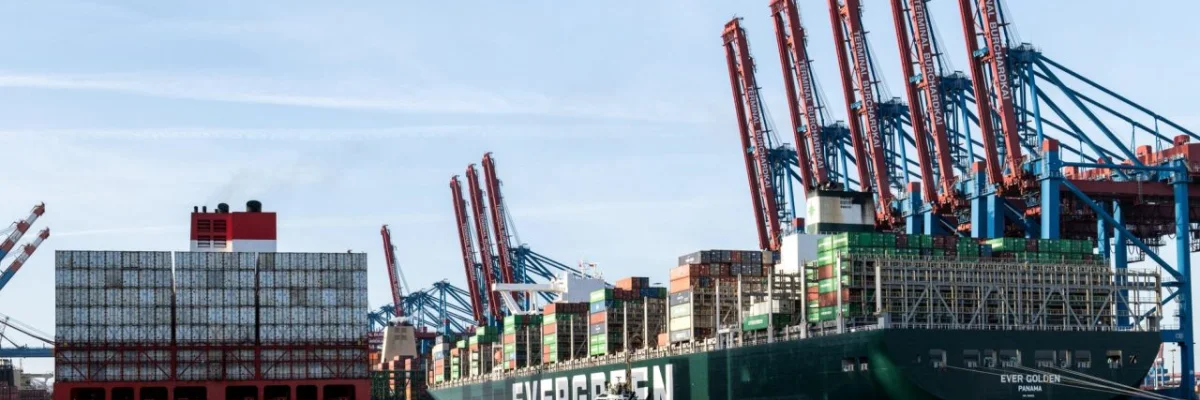
The global logistics landscape is undergoing a massive transformation driven by rapid technological adoption and changing consumer expectations. As freight forwarders face increasing pressure to provide transparency and speed, the integration of cloud-based software has shifted from a competitive advantage to a basic operational necessity. Leaders in the industry are now leveraging advanced data analytics to mitigate risks and enhance customer satisfaction in an unpredictable market. By embracing innovation, forward-thinking companies are successfully navigating these complex challenges, ensuring they remain resilient while streamlining their internal workflows to thrive in a highly competitive and interconnected global supply chain environment.
Optimizing Supply Chain Visibility

Real-time visibility allows freight professionals to track shipments across the globe with precision. This clarity enables teams to identify potential delays before they impact delivery schedules, ensuring that cargo stays on track while maintaining trust with the end client.
- Automated Tracking Systems: Implementing automated tracking tools reduces the manual burden on staff by providing live updates on shipment status directly through your cloud based platform integration capabilities.
- Data Driven Decisions: Accessing comprehensive analytics allows managers to evaluate route performance and carrier reliability, leading to smarter logistics planning and significantly reduced operational overhead for your business.
- Client Portal Access: Providing customers with secure portal access increases transparency, reduces status inquiry emails, and empowers them to self-serve information regarding their ongoing logistics movements and deliveries.
- Proactive Risk Mitigation: Identifying potential bottlenecks in the supply chain early allows forwarders to adjust strategies rapidly, protecting shipments from costly delays and maintaining high service level standards.
Achieving total supply chain visibility is no longer just a technical luxury for freight forwarders. It serves as a foundational pillar for building long-term partnerships with clients who demand reliability and open communication. When you leverage digital tools to capture and display data accurately, you convert raw logistics complexity into a streamlined service that supports business growth and fosters sustainable industry success moving forward.
Automating Essential Documentation Tasks

Paperwork remains one of the largest bottlenecks in the shipping industry. Modern software solutions now automate data entry and document generation, helping teams reduce errors and focus their human capital on complex problem solving instead of repetitive manual administrative chores.
- Document Digitization Tools: Transitioning from paper trails to digital documents ensures that critical files are instantly searchable, securely stored, and easily retrievable for customs compliance or auditing purposes.
- Seamless Integration Capabilities: Connecting your documentation software with port authorities and carrier portals enables instant data transfer, which accelerates the release of goods and improves overall processing speeds.
- Standardized Form Templates: Utilizing pre-configured templates ensures that every bill of lading and customs declaration meets international standards, reducing the risk of costly rejections at borders.
- Validation Workflow Rules: Implementing automated validation checks within your software platform flags missing information or formatting errors, preventing submission delays and ensuring smooth movement for every international shipment.
Automation transforms how your team manages the overwhelming volume of documentation inherent in global trade. By shifting away from manual entry, you create a more efficient workspace that minimizes human error and maximizes throughput. This transition not only boosts productivity but also improves employee morale, as staff members are finally freed from tedious administrative tasks to focus on strategy and growth.
Leveraging Cloud Computing Infrastructure

Cloud infrastructure provides the backbone for scalable logistics operations. By moving away from local servers, freight forwarders gain unparalleled flexibility and security, allowing teams to collaborate across borders while ensuring data is protected against hardware failures and cyber threats.
- Remote Team Collaboration: Cloud platforms enable logistics coordinators to access shipment data from any location, facilitating seamless teamwork across different time zones and global regional offices.
- Scalable Storage Solutions: Growing businesses need flexible storage that adjusts to their increasing volume of data, ensuring that software performance remains consistent regardless of current company size.
- Robust Data Security: Utilizing professional cloud providers offers advanced encryption and regular backups, which protect sensitive client information from unauthorized access or catastrophic system failure incidents globally.
- Software Update Efficiency: Cloud-based systems receive automatic updates, ensuring your team always has access to the latest features and security patches without requiring manual installation or downtime.
Adopting cloud-based infrastructure is essential for staying competitive in the fast-paced freight industry. By centralizing operations in a secure, digital environment, you create a foundation that supports both current demands and future expansion. This technological agility allows your business to respond quickly to market changes, keeping your logistics services reliable, secure, and ready to tackle the challenges of modern international trade.
Enhancing Customer Experience Standards

Customer experience is the ultimate differentiator in the freight forwarding market. By utilizing intuitive software, forwarders can offer high-touch service through digital channels, creating a superior engagement model that keeps clients returning for repeat business and long-term service contracts.
- Personalized Dashboards: Creating custom views for different clients allows you to show them only the metrics that matter most, increasing the value of your digital service offering.
- Instant Communication Channels: Integrated messaging tools within your platform allow for immediate updates between stakeholders, ensuring that all parties remain informed throughout the entire logistics lifecycle process.
- Strategic Performance Reporting: Providing clients with detailed monthly performance reports demonstrates your value as a partner and helps them make informed logistics decisions based on historical data.
- Feedback Loop Integration: Built-in rating systems allow you to gather direct client feedback, which informs continuous improvements to your service offerings and strengthens your professional reputation.
Prioritizing customer satisfaction through digital innovation transforms standard freight services into a competitive advantage. When clients experience seamless communication, clear visibility, and professional reporting, they build trust in your capability to manage their complex supply chain requirements. Investing in these digital touchpoints ensures your freight forwarding business remains the partner of choice in a crowded market that values speed and transparency.
Conclusion
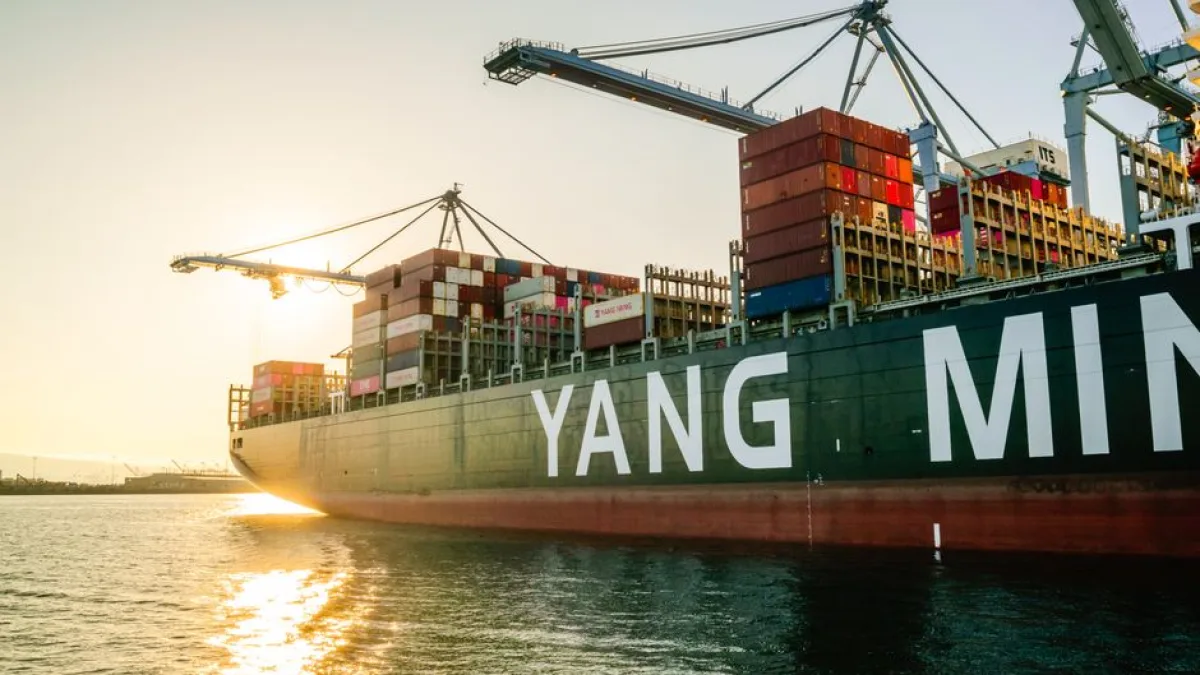
Modernizing your freight forwarding business requires a balanced approach to technology and strategy. By prioritizing visibility, automation, and cloud adoption, you can significantly enhance your operational efficiency and service quality. Start your digital transformation today to ensure your company remains competitive in an increasingly connected world. Contact our team to learn how our platform can help you scale your operations with ease.