Navigating the Future of Digital Freight Forwarding Efficiency
Saturday, October 31 2026
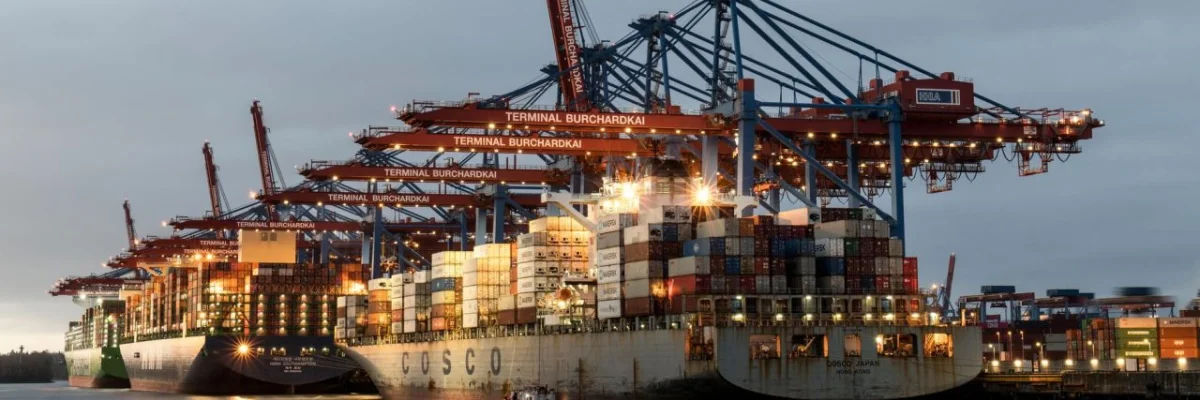
The global logistics landscape is undergoing a massive transformation driven by rapid technological integration and shifting consumer expectations. For freight forwarders, the pressure to remain competitive while managing complex supply chains has never been higher. Modern cloud-based solutions are now essential tools that enable companies to automate routine tasks, enhance visibility across every touchpoint, and reduce operational costs significantly. As we look ahead, the industry must embrace these digital advancements to solve capacity issues and improve reliability. Adopting the right software ecosystem is the definitive strategy for forwarders who aim to achieve long term success in an increasingly crowded global market.
Optimizing Warehouse Logistics Flows
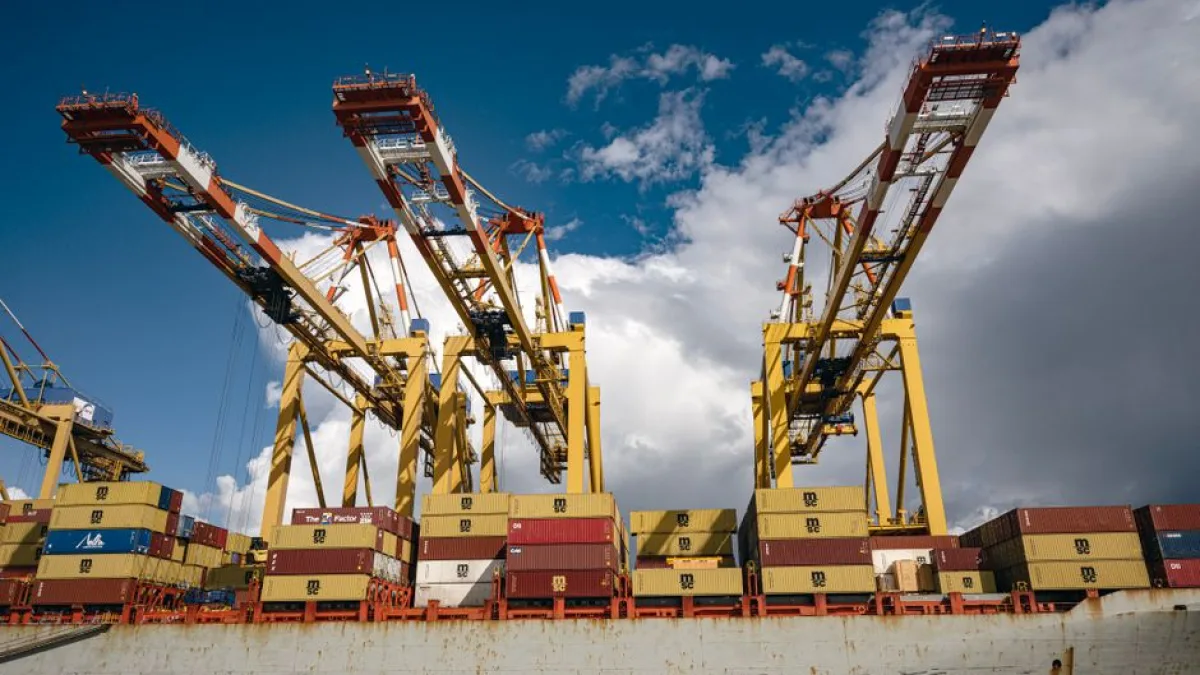
Efficient warehouse management serves as the backbone of successful freight operations today. By utilizing cloud technology, forwarders can synchronize inventory data with shipping schedules, ensuring that cargo movement remains fluid even during peak seasons or unexpected global shipping disruptions.
- Automated inventory tracking: Systems now provide real-time updates on stock levels, allowing teams to react instantly to changes in supply and demand without manual data entry or communication delays.
- Streamlined dock scheduling: Coordination between trucks and warehouse loading bays becomes seamless when using digital platforms, effectively minimizing idle time and speeding up the overall cargo turnaround process.
- Optimized floor space: Advanced algorithms help managers organize goods based on turnover rates, which maximizes storage capacity and reduces the time needed for retrieval during high volume periods.
- Enhanced error reduction: Digital validation processes ensure that picking and packing tasks are completed accurately, significantly reducing the financial impact of incorrect shipments or misplaced warehouse inventory items.
These improvements create a robust foundation for scaling business operations without adding excessive labor costs. When managers have access to precise data, they make better decisions regarding resource allocation and storage utilization. This level of control is vital for maintaining margins in a competitive industry. Ultimately, technology turns a traditional warehouse into a highly responsive hub that drives overall growth and customer satisfaction across your network.
Real Time Shipment Visibility

Transparency is no longer a luxury but a fundamental requirement for modern shippers. Clients demand instant access to tracking information, making real time visibility tools a core component of the value proposition offered by top tier freight forwarding companies today.
- Instant status updates: Automated notifications keep all stakeholders informed about shipment progress, which effectively eliminates the need for manual check-ins and repetitive status request emails from customers.
- Dynamic route planning: Software platforms adjust delivery paths based on live weather data and traffic conditions, ensuring that shipments avoid delays and reach their final destinations on schedule.
- Proactive issue resolution: Alerts regarding potential delays allow teams to address bottlenecks early, preventing minor problems from escalating into major operational failures or significant client dissatisfaction issues.
- Improved partner transparency: Secure portals allow agents and carriers to share data in a unified environment, which fosters better collaboration and increases trust throughout the logistics chain.
Providing this level of clarity strengthens client relationships and justifies premium service rates. Customers feel empowered when they can monitor their cargo through every stage of the transit process. This transparency reduces anxiety during complex international movements and establishes your brand as a reliable leader. Investing in visibility solutions will ultimately lead to higher retention rates and a stronger reputation in the industry.
Automating Financial Document Workflows

Managing complex financial documentation remains a major pain point for many freight forwarders. Moving away from paper-based systems to digital workflows allows for faster invoicing, reduced administrative overhead, and improved cash flow management across all regional and international business operations.
- Seamless invoice processing: Automated systems generate and send invoices the moment a shipment milestone is reached, significantly accelerating the billing cycle and improving your company total cash flow.
- Standardized data entry: Centralized digital forms reduce the likelihood of human error when recording tariff codes or insurance details, ensuring compliance with international trade laws and regulations.
- Simplified tax reporting: Automated bookkeeping features categorize expenses and revenues instantly, making quarterly tax filings and financial audits far less stressful for your internal accounting management teams.
- Secure document archiving: Cloud storage ensures that every bill of lading and customs form is backed up and easily searchable, keeping your company prepared for sudden compliance audits.
Reducing manual paperwork allows your staff to focus on strategic tasks that drive revenue rather than getting stuck in repetitive administrative cycles. This efficiency gain is crucial for maintaining profitability as order volumes increase over time. Digital financial management provides a clear view of your company fiscal health, allowing for smarter investment decisions and improved long term financial planning for your forwarding firm.
Enhancing Global Partner Communication

Logistics requires seamless coordination between global partners, carriers, and agents. Cloud platforms provide a unified communication space, ensuring that everyone involved in the shipping process has access to the same information and works toward the same operational objectives.
- Centralized messaging hubs: Integrated chat features keep all project conversations within the platform, preventing critical information from being lost in overflowing email inboxes or disconnected communication threads.
- Unified stakeholder access: Giving partners controlled access to specific shipment data promotes accountability and ensures that all parties are aligned on the required delivery timelines and expectations.
- Real time collaborative tools: Teams can edit shipment details simultaneously, which saves time and ensures that updates are reflected instantly for every stakeholder involved in the transport workflow.
- Cultural communication bridges: Built-in translation and formatting tools help logistics professionals communicate effectively across different languages and regions, reducing the risk of costly misunderstandings during cargo handling.
When communication flows without friction, the entire supply chain becomes more resilient to global changes. You create an ecosystem where information is treated as a strategic asset rather than a fragmented annoyance. Strengthening these relationships through technology leads to better service levels and more reliable outcomes for your end customers. Embrace these digital communication tools to secure your position as a truly global partner.
Conclusion

Digital transformation is the most important step for freight forwarders aiming to thrive in a modern, fast paced market. By automating operations, increasing visibility, and streamlining communication, you position your business to handle any challenge. Start integrating these advanced tools into your daily workflow today to boost efficiency and elevate your service standards. Your future success depends on the technology you choose now.