Navigating the Future of Freight Forwarding Efficiency
Saturday, August 8 2026
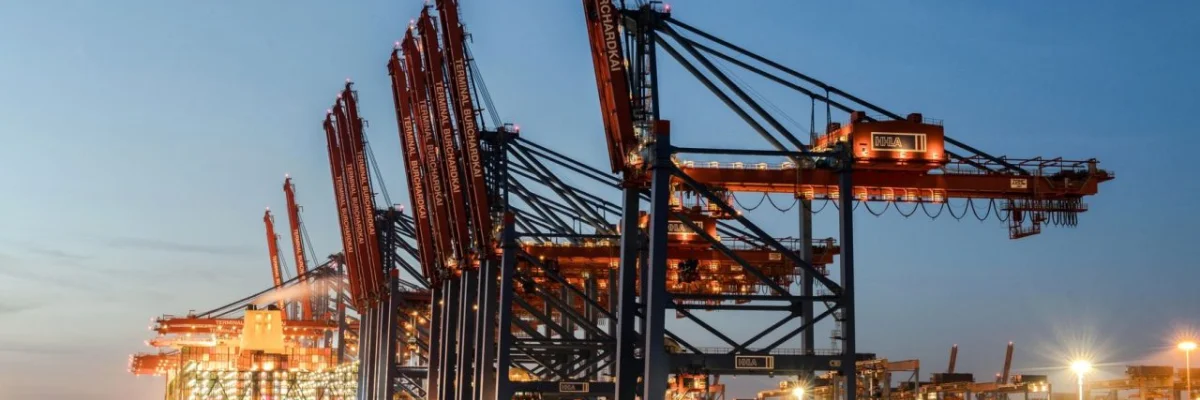
The global logistics landscape is undergoing a profound transformation driven by rapid technological integration and shifting trade dynamics. As freight forwarders face increasing pressure to provide real-time transparency and cost-effective solutions, the adoption of cloud-based platforms becomes essential for survival. Modern software solutions like MakeCargo are helping professionals bridge the gap between complex operational requirements and client expectations. By automating routine documentation and providing robust analytics, forwarders can reclaim valuable time to focus on strategic growth. This article explores the critical trends defining the future of logistics management and how forward-thinking companies are currently leveraging digital tools to maintain a competitive edge.
Digital Transformation Strategies

Advanced digital dashboards have become the central nervous system for modern logistics providers. These platforms consolidate disparate data streams into actionable insights, allowing teams to monitor cargo status and performance metrics with unprecedented accuracy and clarity during daily operations.
- Automated Data Entry: Implement intelligent systems that automatically capture and process shipping documentation to reduce human errors and accelerate the booking process for your entire operational team effectively.
- Real-time Cargo Tracking: Utilize cloud-based visibility tools that provide live location updates to your clients, which significantly boosts customer satisfaction and builds long-term professional trust.
- Centralized Communication Hubs: Consolidate all stakeholder interactions within one secure environment to prevent information silos and ensure that every team member remains informed about shipment status.
- Predictive Analytics Integration: Apply machine learning models to historical shipping data to forecast potential delays and optimize routing strategies for maximum efficiency across all active transit lanes.
Adopting these strategies is no longer optional for firms seeking longevity in the current market. By removing manual bottlenecks, forwarders create a leaner operation that responds faster to market volatility. As digital maturity increases, the focus shifts toward predictive rather than reactive logistics. This proactive stance ensures that client requirements are met consistently, securing your reputation as a reliable and high-performing freight partner today.
Optimizing Global Supply Chains
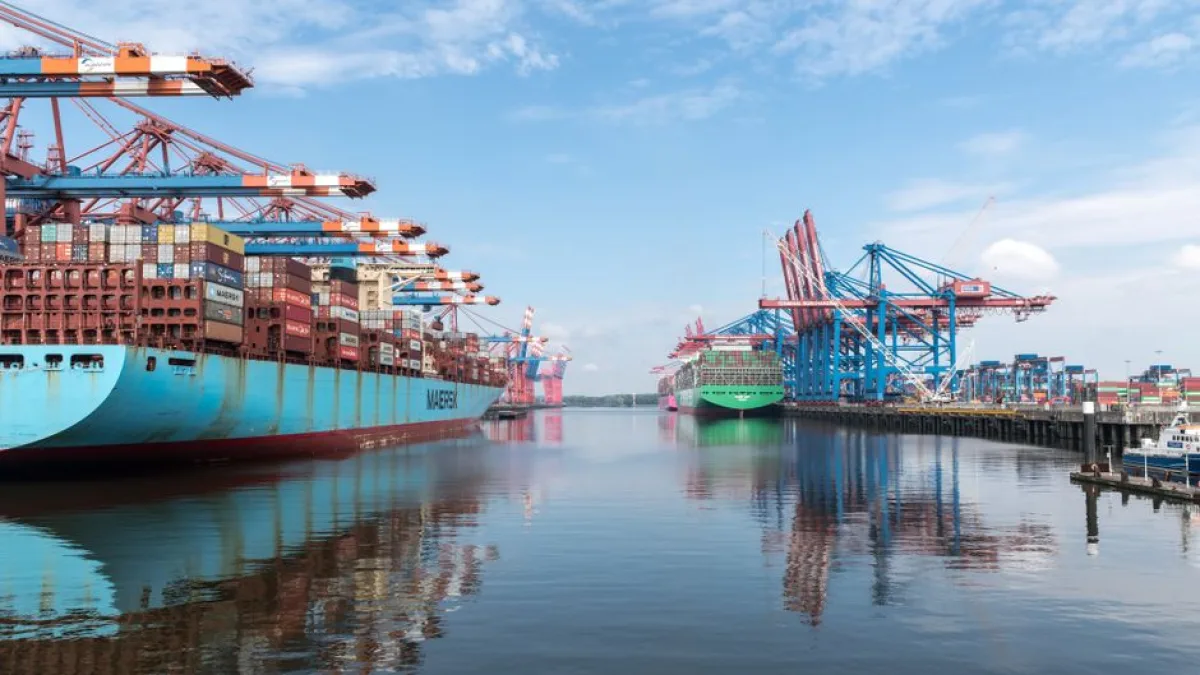
Supply chain optimization requires a deep understanding of multi-modal transport and local regulatory requirements. By leveraging integrated software, forwarders can synchronize various legs of the shipping process, ensuring that transitions between ocean, rail, and road remain seamless and cost-effective.
- Seamless Modal Transitions: Coordinate transfers between various carriers using unified software to reduce wait times and prevent logistical friction throughout the entire multimodal transport journey effectively.
- Customs Compliance Automation: Streamline complex customs filing processes through integrated digital modules that ensure all regional trade requirements are satisfied before your cargo reaches border checkpoints.
- Warehouse Management Synergy: Connect your logistics platform directly with inventory systems to monitor stock levels and ensure timely dispatching for your clients across global distribution centers.
- Dynamic Route Planning: Adjust shipping paths in real-time based on port congestion or severe weather updates to protect cargo integrity and maintain strict delivery schedules.
Precision in supply chain management transforms complex logistical hurdles into simplified workflows that yield higher margins. With robust software, forwarders manage every detail from origin to destination without losing track of critical documentation. This high level of oversight creates a reliable service experience that clients value, ultimately driving repeat business and expanding your professional reach in the global freight forwarding industry.
Enhancing Customer Experience

Customer expectations for transparency have reached an all-time high in recent years. Modern forwarders must provide clients with intuitive portals that offer self-service options, allowing them to view shipments and download invoices at their own convenience without manual intervention.
- Self-service Client Portals: Empower your customers with personalized digital dashboards where they can access documents, check shipping status, and view financial statements around the clock independently.
- Instant Quotation Engines: Provide rapid price discovery to potential clients using automated quoting tools that factor in current market rates and specific routing requirements instantly.
- Proactive Incident Notifications: Send automated alerts regarding status changes to keep clients informed of potential delays before they become major issues, which improves overall service reliability.
- Transparent Billing Cycles: Simplify the invoicing process by providing clear breakdowns of all freight charges and additional fees, which builds financial trust and eases reconciliation.
Providing a superior digital interface elevates your brand above competitors who still rely on traditional, manual communication methods. By putting control in the hands of the customer, you free up your internal team to handle more complex issues that require human expertise. This balance between automation and personalized support defines the most successful forwarders, creating loyal partnerships and sustainable business growth.
Building Sustainable Logistics
Sustainability is becoming a primary driver for corporate logistics decisions globally. Freight forwarders who offer carbon reporting and fuel-efficient routing are increasingly favored by large enterprises that prioritize environmental, social, and governance goals in their wider supply chain strategies.
- Carbon Reporting Tools: Generate accurate emissions reports for every shipment, providing clients with the transparency they need to meet their own internal environmental reporting requirements consistently.
- Green Routing Optimization: Select transport paths that minimize fuel consumption and prioritize eco-friendly carriers to reduce the overall environmental footprint of your managed global shipments.
- Digital Documentation Paperless: Eliminate the need for physical paperwork by digitizing every aspect of the shipping lifecycle, which reduces waste and lowers your overall operational overhead.
- Sustainable Carrier Partnerships: Audit and select shipping partners who invest in modern, energy-efficient fleets, ensuring that your own sustainability claims are backed by verifiable vendor performance.
Integrating sustainability into your core service offering is a powerful way to differentiate your firm. Clients are willing to pay for forwarders who help them achieve their green objectives while maintaining cost efficiency. By using MakeCargo to track and measure these metrics, you position your logistics company as a leader in the transition toward a cleaner, more responsible future for international trade.
Conclusion

The future of freight forwarding belongs to those who embrace digital change and prioritize operational transparency. By leveraging modern cloud-based software, professionals can automate repetitive tasks, enhance client interactions, and drive sustainable growth across the global market. Start your transition today by evaluating how your current technology stack supports your long-term goals. Success in this evolving landscape demands constant innovation and a commitment to excellence.