Navigating the Future of Freight Forwarding Efficiency
Monday, August 10 2026
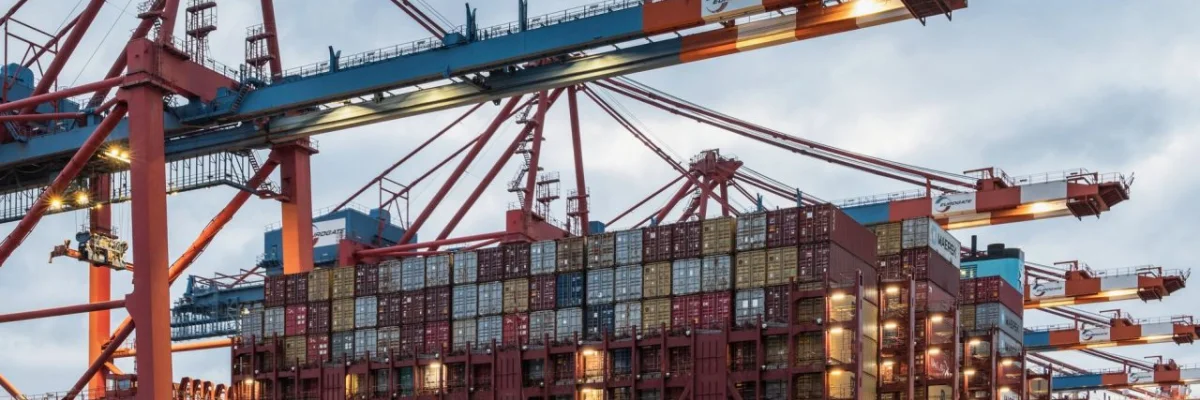
The global logistics landscape is undergoing a profound transformation driven by rapid technological integration and shifting trade dynamics. As freight forwarders face increasing pressure to provide transparent, real-time data, the reliance on legacy manual systems is no longer a viable strategy for long-term growth. Modern platforms are now redefining how companies manage complex supply chains, automate tedious documentation tasks, and reduce operational overhead. By embracing digital agility today, forwarding professionals can better position themselves to overcome global disruptions while delivering superior service levels to their clients in an increasingly competitive and fast-paced international trade environment.
Digital Transformation Strategies

Embracing digital tools enables forwarders to visualize their entire workflow through a single lens, replacing fragmented spreadsheets. By consolidating operations, businesses can identify bottlenecks instantly, ensuring that every shipment moves through the supply chain with precision and minimal human error throughout processes.
- Real-time data visibility: Accessing live shipment tracking provides clients with the transparency they demand while reducing the volume of inbound inquiries regarding the current status of their cargo containers.
- Automated document processing: Software solutions leverage smart optical character recognition to extract key data from invoices and bills of lading, significantly cutting down the time spent on manual entry.
- Cloud based infrastructure: Moving operations to the cloud allows teams to collaborate seamlessly from any location, ensuring that critical information remains accessible to authorized personnel at all times.
- Smart carrier integration: Connecting directly with shipping lines via API allows for instant rate quoting and automated booking confirmations, which drastically improves the speed of your service delivery.
Adopting these robust digital strategies requires a shift in company culture that prioritizes technological proficiency alongside traditional logistics expertise. Forwarders who successfully integrate these tools find that their team productivity rises while stress levels during peak seasons decline significantly. This digital evolution is not just an optional upgrade but a necessary foundation for any firm that aims to scale profitably during this decade.
Optimizing Supply Chain Visibility
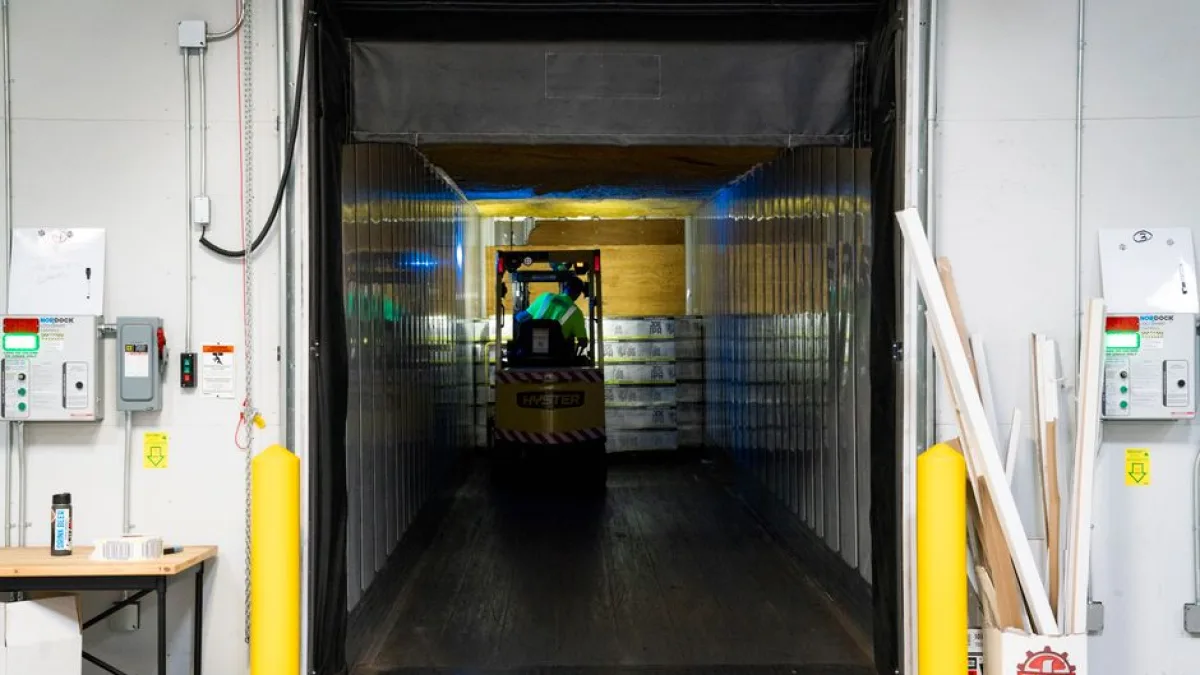
True visibility goes beyond knowing where a container is located at a specific point in time. It involves understanding the entire lifecycle of a shipment, allowing forwarders to proactively communicate potential delays before they impact the final delivery schedules of clients.
- Predictive delay notifications: Advanced algorithms analyze weather and port congestion data to warn stakeholders of potential risks, allowing for rerouting decisions that keep the supply chain moving smoothly.
- Enhanced client portals: Providing customers with a branded self-service portal allows them to track orders and download documents, which builds lasting trust and increases customer retention rates.
- Customizable reporting suites: Data analytics tools enable forwarders to generate deep insights regarding carrier performance, helping to negotiate better rates based on historical shipment volumes and reliability.
- Unified communication tools: Centralized platforms consolidate messages and status updates within the shipment file, preventing information from being lost in long and confusing email threads or conversations.
By investing in visibility solutions, you create a standard of excellence that separates your services from those of less transparent competitors. Clients value the ability to see exactly where their goods are positioned, leading to stronger partnerships and recurring revenue. Implementing these systems is the single most effective way to demonstrate your professionalism and commitment to reliability in the modern freight industry.
Automation in Documentation Management

Managing complex documentation is often the most time-consuming aspect of freight forwarding. Automation relieves this burden by handling the repetitive tasks of filing, auditing, and generating paperwork, allowing your staff to focus on solving high-value logistical problems instead.
- Template based generation: Standardizing your paperwork through software ensures that all shipping documents are consistent, error free, and compliant with international trade regulations across all jurisdictions globally.
- Digital signature integration: Secure electronic signing platforms allow for the rapid execution of legal documents, removing the need for printing, scanning, or mailing physical paper contracts daily.
- Automated compliance checks: System alerts flag missing data or regulation mismatches instantly, helping your team remain compliant with local and international customs laws at every single stage.
- Intelligent document routing: Files are automatically organized into folders based on shipment numbers or client IDs, ensuring that your team spends zero time hunting for misplaced digital records.
Automating your documentation management workflow is the fastest path to reducing operational costs and human error. As you scale, the volume of paperwork grows exponentially, making manual processes a massive liability. By trusting software to handle the heavy lifting, you ensure that your business remains agile, compliant, and ready to handle increased shipment volumes without requiring a massive expansion of your administrative workforce.
Scaling Through Strategic Technology
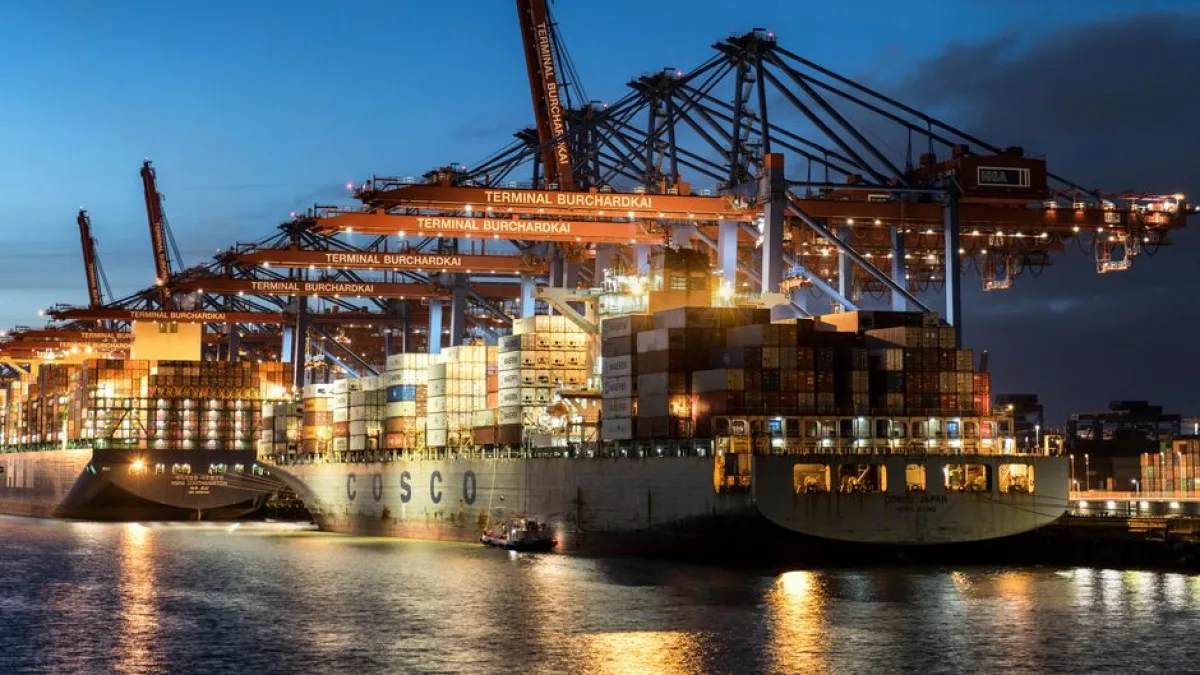
Scalability relies on your ability to handle growth without a corresponding increase in operational chaos. Modern software platforms are designed to grow with your business, providing the architecture needed to add new services, branches, or team members without breaking existing workflows.
- Seamless API connectivity: Flexible software architectures allow you to connect with third party accounting, CRM, and ERP systems to keep your business data synchronized and accurate everywhere.
- Flexible user permissions: Managing access levels ensures that your team and partners only see the information they need, protecting sensitive financial data while promoting effective team collaboration.
- Global currency support: Integrated platforms handle multiple currencies and tax rates automatically, enabling your firm to expand into international markets with complete financial confidence and regulatory compliance.
- Scalable cloud hosting: Growing your digital operations is simple when you do not need to manage your own servers, as cloud providers handle hardware updates and security updates.
Strategic technology investments allow you to focus on growing your market share rather than maintaining outdated infrastructure. As the industry becomes more digitised, those who leverage scalable software will find it much easier to enter new trade lanes and provide services that smaller or less modern competitors simply cannot match. Prepare your business for the long term by choosing solutions built for growth.
Conclusion

The future of freight forwarding belongs to those who embrace innovation, transparency, and automation. By modernizing your digital toolkit, you can drive greater efficiency and build deeper trust with every client you serve. Start evaluating your internal processes today to identify which manual bottlenecks can be replaced by smart software. Your decision to evolve now will define your company success for years to come.