Navigating the Future of Freight Forwarding Efficiency
Saturday, August 15 2026
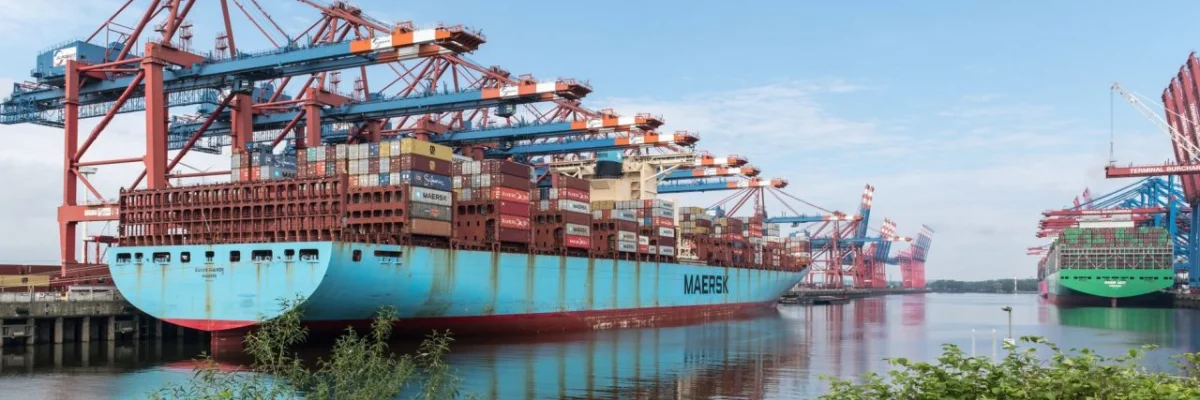
The global logistics landscape is undergoing a profound transformation driven by rapid technological adoption and changing trade patterns. Freight forwarders today face mounting pressure to deliver transparency and speed while managing volatile capacity constraints across international routes. As modern supply chains become increasingly complex, professionals must leverage advanced digital tools to maintain a competitive edge. By integrating cloud-based platforms into daily operations, companies can automate manual tasks and enhance visibility across every node of the network. This evolution is no longer an optional upgrade but a fundamental requirement for those aiming to survive and thrive in a high-stakes global marketplace.
Digital Transformation Strategies

Digital transformation involves digitizing manual records and implementing cloud-based software to streamline document management and customer communications. This shift allows logistics providers to offer real-time tracking and automated updates, significantly reducing the administrative burden on teams during periods of high demand.
- Automated Documentation Processes: Modern software platforms enable teams to generate bills of lading and invoices instantly, reducing costly manual errors and accelerating the overall documentation flow for global shipments.
- Cloud-Based Data Access: Centralizing shipment data in the cloud ensures that remote teams and international partners can access critical information securely, fostering seamless collaboration across different time zones.
- Enhanced Customer Portals: Forwarders can provide clients with dedicated dashboards that offer real-time status updates, reducing the volume of inbound queries and increasing transparency for shipping partners.
- Software Integration Capabilities: Connecting your freight software with carrier APIs allows for live rate comparisons and scheduling, which ensures that you always select the most efficient transport route.
Adopting these strategies helps businesses eliminate bottlenecks that previously hindered growth. By automating routine workflows, forwarding teams can shift their focus toward strategic account management and complex problem-solving. This shift not only improves internal productivity but also enhances the overall customer experience. Embracing these digital tools creates a foundation for scalable growth in a market that rewards agility, precision, and reliable communication at every stage.
Optimizing Global Supply Chains

Optimizing supply chains requires a holistic approach that balances transit speed with cost management strategies. Forwarders must continuously analyze carrier performance and route data to identify potential delays before they impact delivery timelines for international clients and business partners.
- Predictive Route Analytics: Leveraging historical data allows logistics professionals to anticipate seasonal bottlenecks and select alternative transport corridors that minimize delays during peak trade and peak shipment seasons.
- Carrier Performance Monitoring: Keeping a detailed record of carrier reliability helps forwarders negotiate better rates and choose partners that consistently meet delivery deadlines for high-priority global freight.
- Dynamic Inventory Management: Connecting supply chain software with warehouse inventory tools helps forwarders coordinate just-in-time shipping, which prevents expensive storage fees and optimizes space inside shipping containers.
- Multimodal Transport Flexibility: Maintaining the ability to switch between ocean, air, and rail transport provides a strategic advantage when unforeseen port strikes or weather events disrupt primary trade.
Precision in supply chain management leads to significant cost reductions and higher client satisfaction rates. When freight forwarders proactively manage risks, they build long-term trust with their shipping partners. This level of reliability is essential in a market where margins are thin and expectations remain high. By prioritizing data-driven decisions, logistics professionals can turn complex global challenges into opportunities for operational excellence.
Sustainable Logistics Practices

Sustainability is becoming a core requirement for logistics firms as businesses strive to reduce their total carbon footprint. Forwarders are increasingly tasked with calculating emissions and selecting transport modes that align with the environmental goals of their diverse client base.
- Carbon Emission Tracking: New software features provide detailed analytics on the CO2 impact of every shipment, allowing forwarders to report accurate metrics to their environmentally conscious corporate partners.
- Route Optimization Tools: Efficient path planning reduces fuel consumption by minimizing unnecessary travel, which contributes directly to lower emissions while simultaneously reducing operational expenses for the freight business.
- Eco-Friendly Carrier Selection: Prioritizing partnerships with shipping lines that utilize newer, fuel-efficient vessels helps forwarders align their services with the growing global demand for greener shipping logistics.
- Paperless Operational Workflows: Replacing traditional paper records with digital documentation reduces physical waste and improves internal efficiency, marking a simple yet impactful step toward a sustainable business model.
Integrating sustainable practices is no longer just about compliance but serves as a powerful market differentiator. Clients are actively seeking partners who share their commitment to a cleaner future. By providing transparent reporting and optimizing routes for efficiency, forwarders can lead the industry toward greener horizons. This proactive approach strengthens brand loyalty and prepares firms for upcoming environmental regulations and reporting requirements.
Data Security and Compliance

Data security is paramount when handling sensitive shipping information and international financial records. Protecting client privacy while maintaining strict compliance with evolving global trade regulations is essential for building a long-term, trusted reputation within the logistics industry today.
- Encrypted Data Storage: Storing sensitive client information on secure cloud servers ensures that private shipment details remain protected from unauthorized access during all stages of transport planning.
- Regulatory Compliance Automation: Built-in compliance checks within modern software ensure that all shipments meet regional customs requirements and international trade laws, reducing the risk of costly legal fines.
- Regular System Audits: Conducting frequent security checks helps identify vulnerabilities in your digital infrastructure before they can be exploited by external threats, maintaining client confidence in your services.
- Access Control Management: Defining strict user permissions within your freight platform ensures that employees only access the data necessary for their roles, effectively minimizing internal security risks.
Robust security measures provide peace of mind to both the forwarder and their customers. As trade becomes more digital, the risk of data breaches increases, making security a top priority for any successful freight firm. By investing in modern security protocols, companies can safeguard their future and provide a reliable service. Protecting data is the cornerstone of trust in the modern digital era.
Conclusion
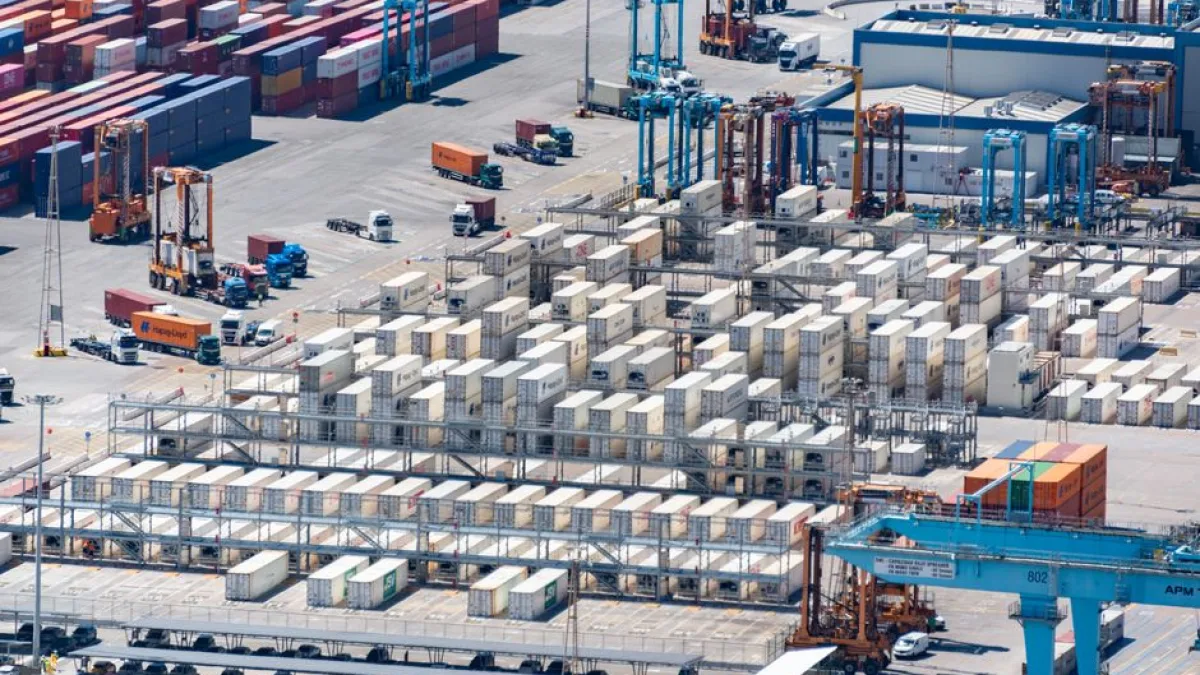
Thriving in the modern freight industry requires a commitment to innovation, sustainability, and rigorous security. By leveraging advanced software, professionals can streamline operations and provide superior value to their global clients. Those who embrace these changes will remain ahead of competitors while fostering stronger relationships with their partners. The future of logistics belongs to forwarders who view technology as their most valuable strategic asset.