Navigating the Future of Freight Forwarding Efficiency
Monday, September 7 2026
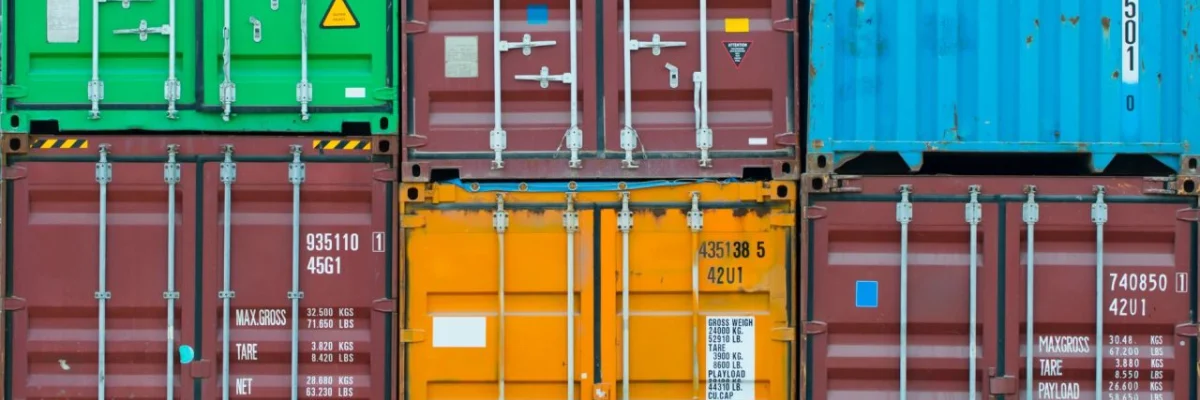
The global logistics landscape is undergoing a profound transformation driven by rapid technological integration and shifting trade dynamics. As freight forwarders face increasing pressure to provide real-time visibility and cost-effective solutions, the transition from manual processing to automated digital ecosystems has become essential for survival. Modern platforms now bridge the gap between complex operational requirements and client expectations, ensuring that companies can scale their services while maintaining high accuracy. This article explores how industry leaders are leveraging specialized software to overcome common bottlenecks, optimize supply chain performance, and secure a competitive advantage in a volatile international market.
Digital Transformation Strategies

Adopting advanced digital tools allows teams to visualize their entire shipping lifecycle in a single interface. By centralizing data from multiple carriers and stakeholders, companies minimize human errors and drastically reduce the time spent on manual coordination tasks across different channels.
- Cloud computing integration: Moving your operational infrastructure to a cloud platform ensures that remote teams can access real-time shipment data and documents securely from any location across the globe.
- Automated document handling: Intelligent software solutions now allow forwarders to digitize customs forms and bills of lading to prevent costly processing delays and ensure full regulatory compliance throughout.
- Real-time data synchronization: Consistent updates across your freight management portal help to maintain transparency with customers by providing live tracking information that reflects every stage of transit.
- Software scalability benefits: A robust cloud-based architecture supports your firm as it expands into new markets by allowing you to add users and functions without expensive hardware.
As organizations continue to pivot toward digital maturity, the selection of flexible software becomes paramount. Forwarders must prioritize tools that offer seamless integration with existing systems to avoid disruption. When data flows freely between modules, the entire operation benefits from improved decision-making capabilities. This strategic alignment between technology and human expertise remains the cornerstone of modern logistics management for growing freight forwarder businesses everywhere.
Supply Chain Visibility Solutions
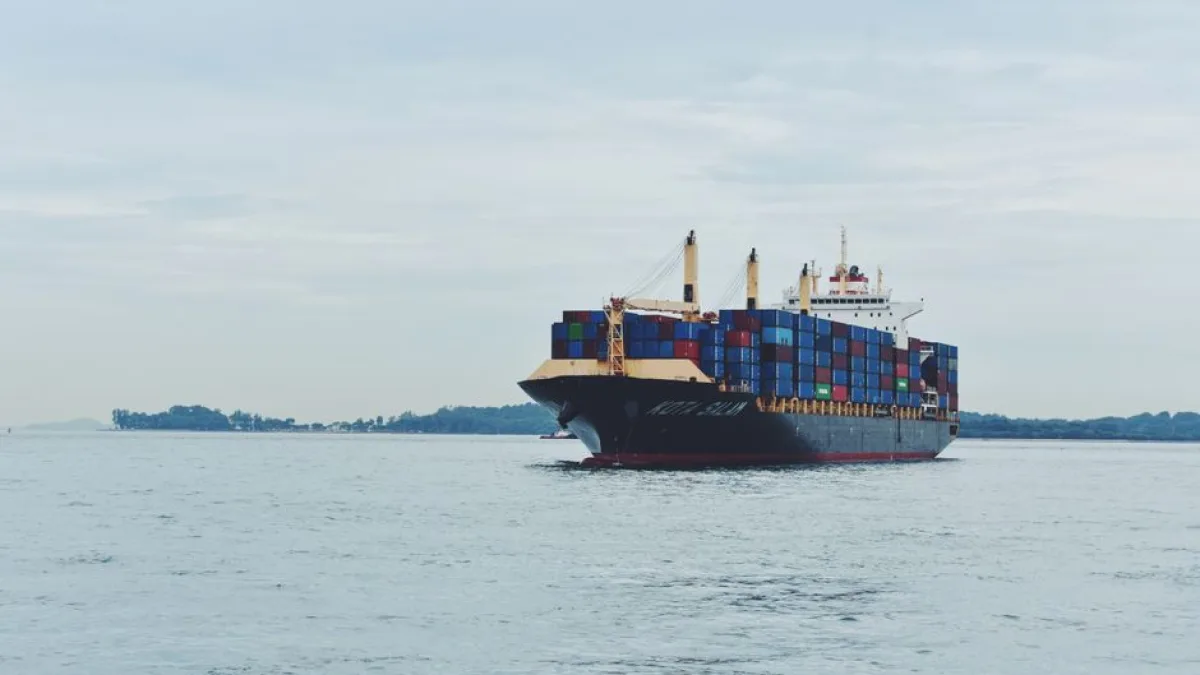
Comprehensive visibility provides deep insights into the movement of goods from origin to destination. This transparency is no longer optional, as customers demand instant updates and reliable tracking information that keeps them informed during every mile of the journey.
- End-to-end tracking: Integrated GPS and carrier API connections deliver precise location updates that allow freight professionals to manage expectations and resolve transit issues before they become crises.
- Exception management alerts: Automated notification systems warn teams about potential delays or port congestion immediately so that proactive measures can be taken to reroute shipments or adjust timelines.
- Customer portal access: Offering a branded dashboard to your clients empowers them to self-serve their shipping information, which significantly reduces the volume of manual status inquiry emails.
- Performance analytics reporting: Analyzing historical shipping data helps forwarders identify recurring bottlenecks and negotiate better rates with carriers based on actual performance metrics gathered over the recent fiscal year.
Enhancing visibility creates trust between the freight forwarder and the shipper, which is essential for long-term retention. By providing clear snapshots of the supply chain, companies reduce the administrative burden of constant status checks. This clarity allows your staff to focus on complex logistics problems rather than basic communication, ultimately driving higher service quality and boosting your reputation in the industry.
Financial Operational Management

Streamlined financial processes form the backbone of a successful freight forwarding firm. From precise rate management to timely invoicing, maintaining accurate financial records ensures that margins remain healthy while cash flow continues to support your daily operational needs reliably.
- Dynamic rate management: Centralizing carrier tariffs allows your team to generate accurate quotes for clients in seconds, ensuring that you always provide competitive pricing without compromising your profits.
- Integrated invoicing modules: Automated billing cycles reduce the time between service delivery and payment collection, helping your company maintain a positive cash flow throughout the entire season.
- Cost analysis tools: Detailed breakdowns of shipping costs enable forwarders to identify hidden fees and optimize profit margins on every single booking managed within the digital platform.
- Currency management features: Handling multiple currencies within your software suite simplifies international transactions and protects your margins from the impact of fluctuating exchange rates in global trade.
Managing finances manually often leads to errors that can erode your hard-earned profits. By implementing automated accounting features, forwarders can ensure that every charge is accounted for and that invoices reach the client without delay. This financial rigour allows leadership to make data-driven decisions regarding expansion and investment, providing the stability necessary to grow your freight forwarding business in this competitive environment.
The Future of Logistics Automation

Automation is moving beyond simple task scheduling into the realm of predictive intelligence. By leveraging machine learning and advanced algorithms, forwarders can now forecast demand and anticipate logistical hurdles before they manifest, setting a new standard for industry performance.
- Predictive scheduling models: Advanced algorithms analyze global shipping trends to predict potential bottlenecks, allowing forwarders to proactively adjust routes and schedules to ensure timely delivery for all customers.
- Smart document recognition: Optical character recognition technology extracts data from scanned documents automatically, which eliminates manual entry errors and speeds up the entire customs clearance process for imports.
- Workflow automation triggers: Setting custom triggers within your software ensures that critical tasks are assigned to the right team members as soon as specific events occur during shipping.
- AI-powered customer service: Utilizing virtual assistants within your portal can answer routine questions for clients, freeing up your professional team to handle more complex shipping challenges daily.
Embracing automation signifies a shift toward a proactive rather than reactive business model. By offloading repetitive work to intelligent systems, your team gains the space to build meaningful relationships and focus on value-added services. The future of freight forwarding lies in the perfect synthesis of high-tech automation and human-led strategy, ensuring that forwarders continue to be indispensable partners in the global economy.
Conclusion

The freight forwarding industry is evolving rapidly, and staying competitive requires a commitment to digital modernization. By centralizing operations, enhancing visibility, and automating financial and logistical workflows, forwarders can significantly increase efficiency and service quality. Now is the time to evaluate your current processes and implement scalable software solutions. Connect with the MakeCargo team today to start building a more agile and profitable future.