Navigating the Future of Freight Forwarding Efficiency
Friday, September 18 2026
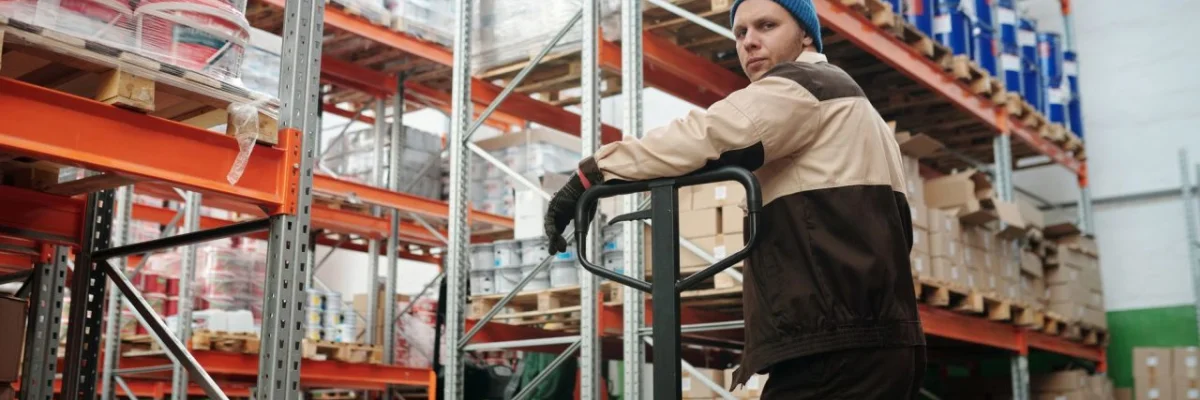
The global logistics landscape is undergoing a profound transformation driven by rapid technological integration and shifting trade dynamics. As freight forwarders face increasing pressure to provide real-time visibility, manage complex customs compliance, and optimize cost-efficiency, the reliance on outdated manual processes is no longer sustainable. Digital transformation is now the primary differentiator between industry leaders and those struggling to keep pace with demand. By adopting cloud-based platforms, professionals can consolidate fragmented workflows into unified ecosystems that enhance operational resilience, streamline communication across international borders, and ultimately deliver superior value to shippers navigating today's volatile supply chain challenges.
Digital Transformation Imperatives
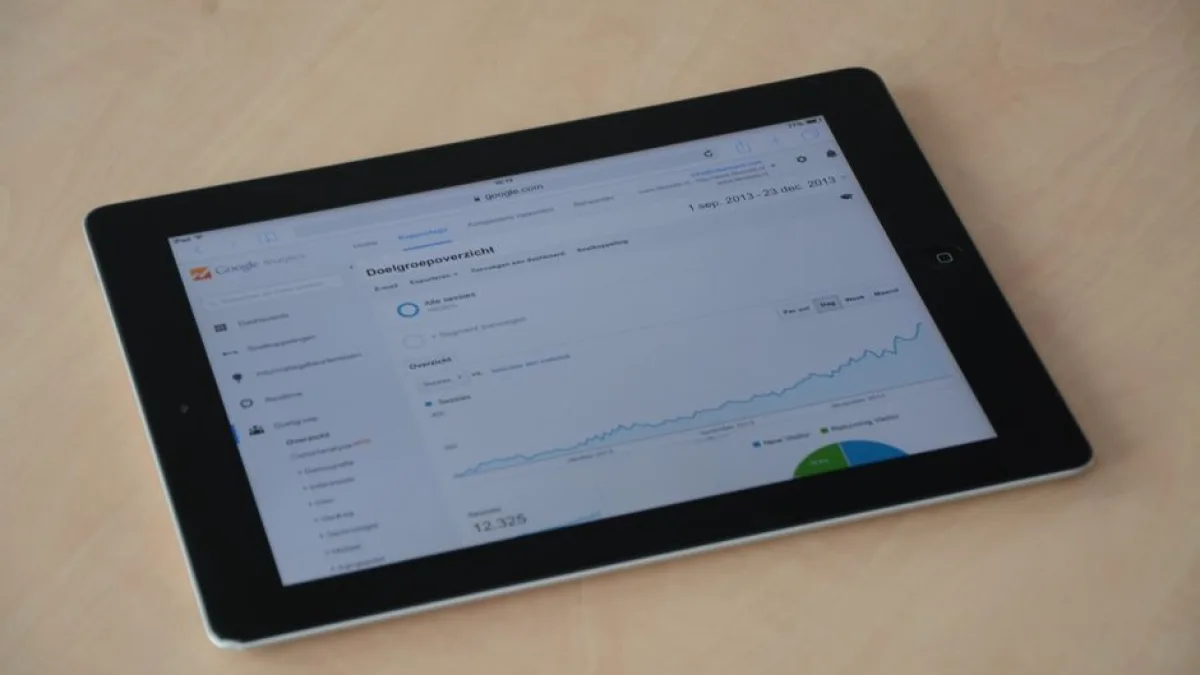
Modern freight forwarding platforms rely on robust data analytics to drive strategic decision-making and performance monitoring. By visualizing key performance indicators through intuitive interfaces, companies can proactively manage shipments and identify potential bottlenecks before they escalate into costly disruptions for their clients.
- Automated Data Capture: Eliminate manual entry errors by utilizing advanced OCR technology to scan and process shipping documents instantly, significantly reducing administrative burden and increasing overall operational accuracy during peak times.
- Real-time Tracking Dashboards: Provide stakeholders with transparent access to shipment statuses via interactive portals, which helps reduce customer support inquiries while building long-term trust through consistent and reliable information flow.
- Predictive Analytics Tools: Use historical data to forecast capacity needs and seasonal trends, allowing your team to negotiate better rates with carriers while maintaining service quality for demanding clients.
- Seamless API Integration: Connect your existing ERP and CRM software to your freight platform, ensuring data flows effortlessly between systems to maintain a single source of truth everywhere.
Adopting digital tools represents a paradigm shift in how freight forwarders approach their daily tasks and long-term business goals. By prioritizing automation, firms free up their teams to focus on relationship building rather than repetitive data entry. This strategic pivot not only boosts individual productivity but also elevates the firm reputation as a sophisticated and reliable partner in an increasingly complex international marketplace.
Optimizing Supply Chain Visibility
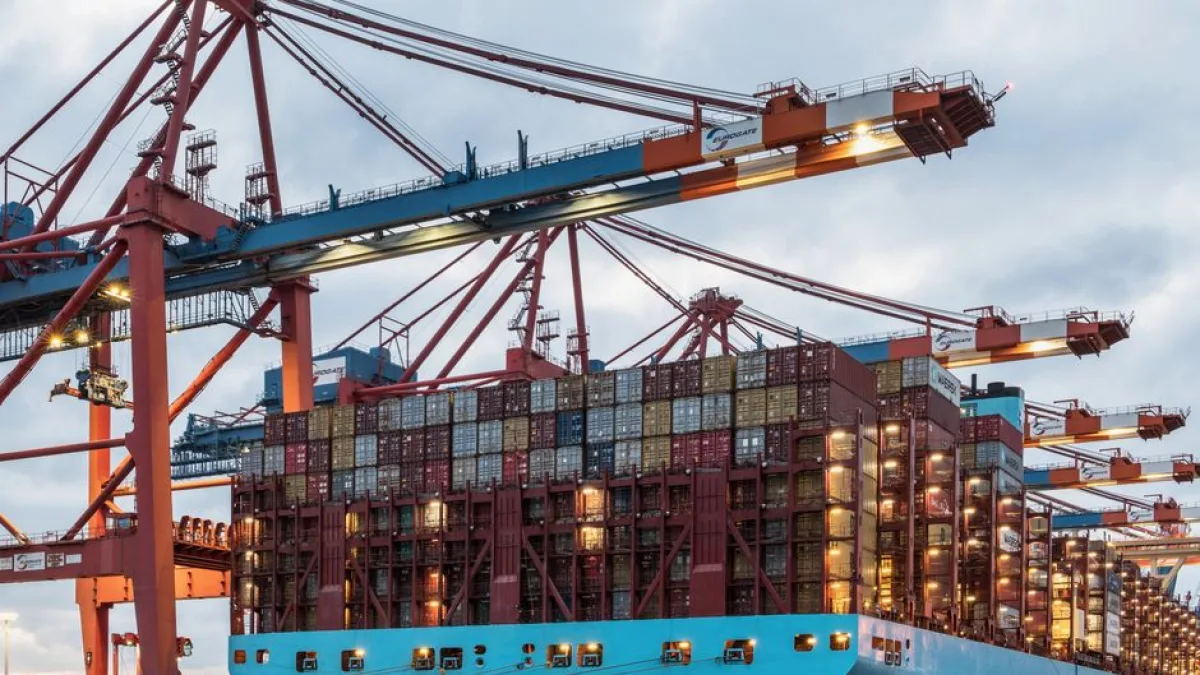
Visibility remains the gold standard for shippers looking to maintain control over their global inventory levels. Providing granular details about shipment locations and transit conditions empowers businesses to react quickly to delays and adjust their logistics strategies to prevent revenue losses.
- Live Shipment Monitoring: Track vessels and ground transport units across multiple time zones, providing your customers with accurate arrival estimates that are updated automatically based on current weather conditions.
- Comprehensive Status Notifications: Configure automated alerts that keep all stakeholders informed about significant milestones or unforeseen delays, ensuring that proactive communication remains the cornerstone of your operational service delivery strategy.
- Blockchain Security Protocols: Enhance document integrity and prevent fraudulent activities by utilizing secure ledger technologies that verify the authenticity of every bill of lading and customs certification form.
- Environmental Impact Reports: Calculate and report carbon emissions per shipment to help clients achieve their sustainability goals, which is becoming a mandatory requirement for many large multinational corporate entities today.
True supply chain visibility provides peace of mind that translates into higher client retention rates and stronger commercial partnerships. When forwarders leverage technology to provide crystal clear insights into logistics movements, they demonstrate a commitment to excellence that stands out in a crowded market. This approach effectively positions your organization as an essential component of your clients success stories moving forward into the future.
Streamlining Customs Compliance

Navigating the labyrinth of international trade regulations requires precise documentation and rigorous adherence to changing legal standards. Automating customs declarations helps to avoid significant penalties and reduces the time that shipments spend idling at borders or major inspection hubs globally.
- Automated Regulatory Updates: Keep your operation compliant by using software that automatically pulls the latest tariff codes and trade regulation changes directly from official government databases every day.
- Digital Document Storage: Maintain an organized archive of all commercial invoices and packing lists in a secure cloud environment, ensuring that you are always ready for unexpected customs audits.
- Error Detection Software: Deploy smart validation checks that flag missing signatures or incorrect HS codes before submission, preventing costly rejections and ensuring your shipments clear international borders without any delays.
- Multi-Country Compliance Portals: Handle diverse regulatory requirements across various jurisdictions through a single interface, which simplifies the management of complex global trade routes for your dedicated operations personnel.
Efficient customs management is a critical success factor that directly impacts transit times and operational costs for every freight forwarder. By investing in modern compliance tools, you mitigate significant financial risks and ensure smooth sailing for your clients goods. This level of professional reliability establishes your company as a trusted authority, capable of navigating even the most difficult regulatory environments with relative ease.
Enhancing Collaborative Workflows

Internal and external collaboration is the backbone of efficient freight forwarding operations. When teams work within a unified cloud platform, they can resolve issues faster and coordinate complex shipments more effectively without the constant back and forth of outdated email threads.
- Unified Communication Hubs: Consolidate all shipment specific discussions within a single chat feature, ensuring that every team member has access to the same history and context at all times.
- Secure Partner Portals: Invite sub-agents and truckers to view only necessary details in your platform, which encourages better cooperation and prevents data leaks or unauthorized access to sensitive info.
- Automated Task Assignment: Allocate specific shipment responsibilities to team members automatically based on their current workload, which helps prevent burnout while maintaining optimal productivity throughout the entire business week.
- Global Team Synchronization: Facilitate smooth handoffs between different regional offices, ensuring that a shipment moving from Asia to Europe is managed consistently by all parties in the supply chain.
High-performing teams thrive when they are supported by intuitive collaborative tools that break down silos and encourage transparency. By centralizing operations, you reduce communication errors and foster a culture of shared accountability within your organization. This seamless internal workflow directly leads to better customer experiences, as clients receive faster updates and more consistent service regardless of who is handling their specific shipment file.
Conclusion
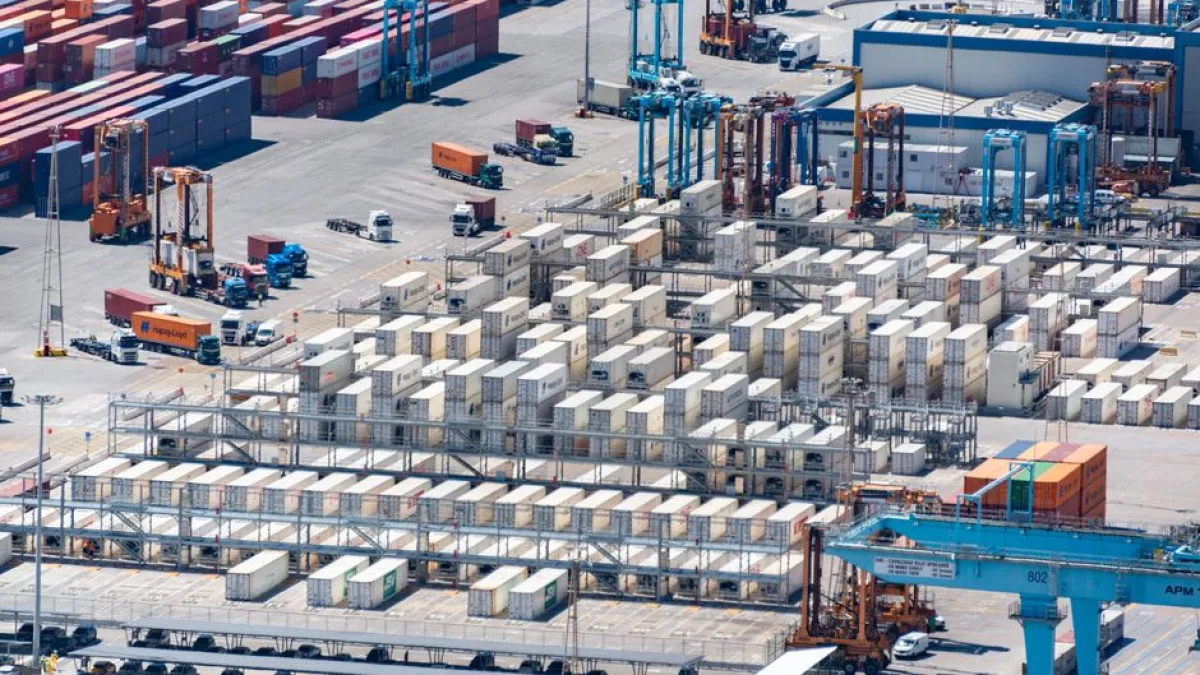
The freight forwarding industry is evolving rapidly, and embracing technological change is the only way to ensure long-term relevance and growth. By prioritizing visibility, compliance, and internal collaboration, your business will be well-equipped to handle the challenges of modern global trade. Start your digital transformation journey today by evaluating your current software needs and investing in platforms that offer scalable, future-proof logistics solutions for everyone.