Navigating the Future of Freight Forwarding Efficiency
Monday, September 21 2026
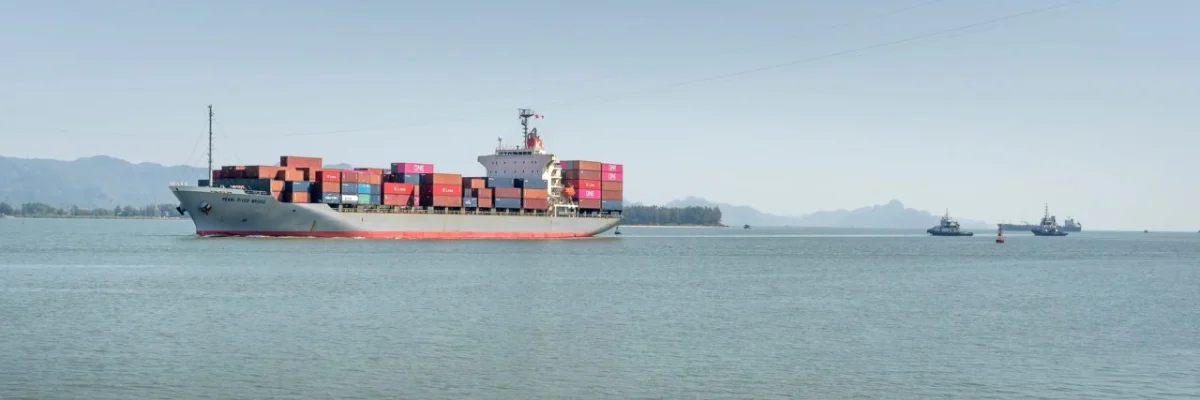
The global logistics landscape is undergoing a profound transformation driven by rapid technological integration and shifting trade dynamics. As freight forwarders face increasing pressure to provide real-time visibility, manage volatile shipping rates, and ensure seamless cross-border compliance, the reliance on outdated manual processes has become a significant liability. Modern businesses must adapt by leveraging cloud-based platforms to harmonize their operations. This evolution is not merely about staying competitive but about redefining the standard of service delivery in an industry where speed, accuracy, and operational transparency serve as the primary pillars of long-term client success and growth.
Digital Transformation Essentials
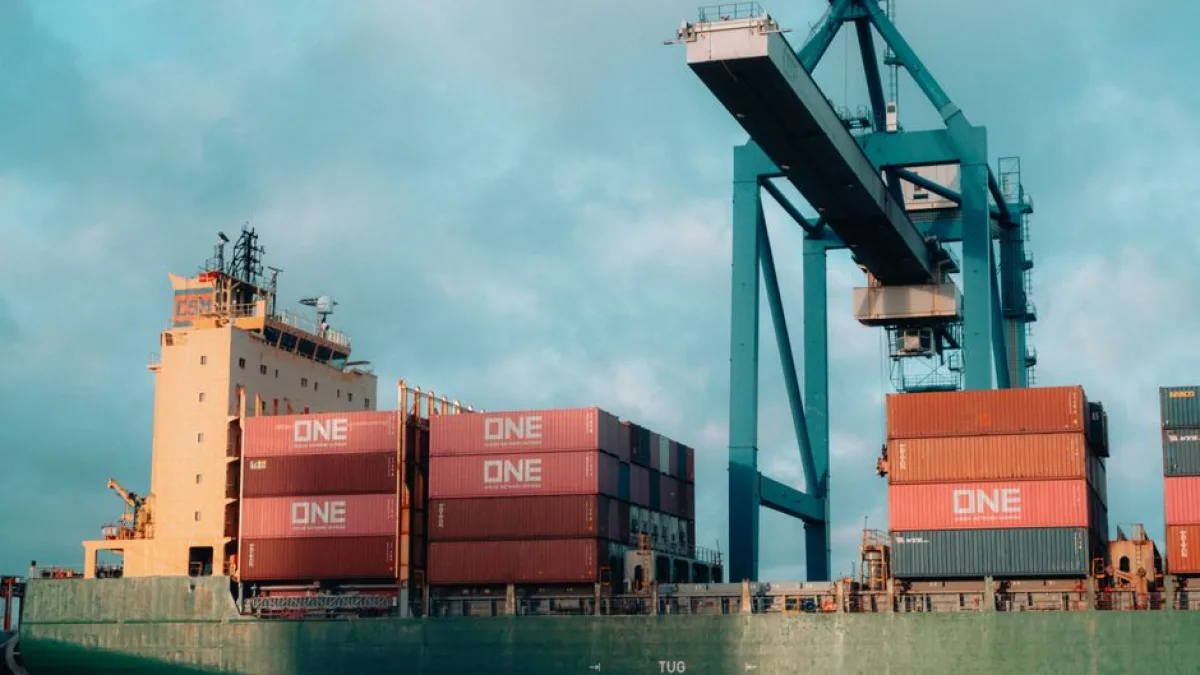
Digital transformation represents the core shift in how forwarders manage complex supply chains through cloud connectivity and data automation. By moving away from fragmented legacy systems, companies gain a unified view of shipments, which reduces error rates and improves overall throughput during peak shipping cycles.
- Automated documentation workflows: Implementing digital processing tools allows teams to generate shipping documents instantly, reducing human errors and ensuring compliance with international trade regulations across all major transport lanes.
- Real time tracking: Advanced API integrations provide constant updates on cargo status, enabling forwarders to offer clients proactive alerts and resolve transit issues before they escalate significantly.
- Cloud based accessibility: Centralized storage solutions ensure that all operational data is reachable from any location, fostering better collaboration among global teams and remote logistics partners.
- Data driven decisioning: Utilizing sophisticated analytics dashboards empowers managers to identify bottlenecks in the supply chain, allowing for smarter route planning and cost optimization strategies every day.
Adopting these essential technologies positions freight forwarders to handle the increasing demands of modern logistics with greater agility. When teams eliminate the manual entry of data, they regain valuable hours that can be reinvested into higher level strategy and client management. This foundational shift is necessary for any company aiming to maintain a strong market position while meeting modern expectations for speed and transparency.
Optimizing Ocean Freight Logistics
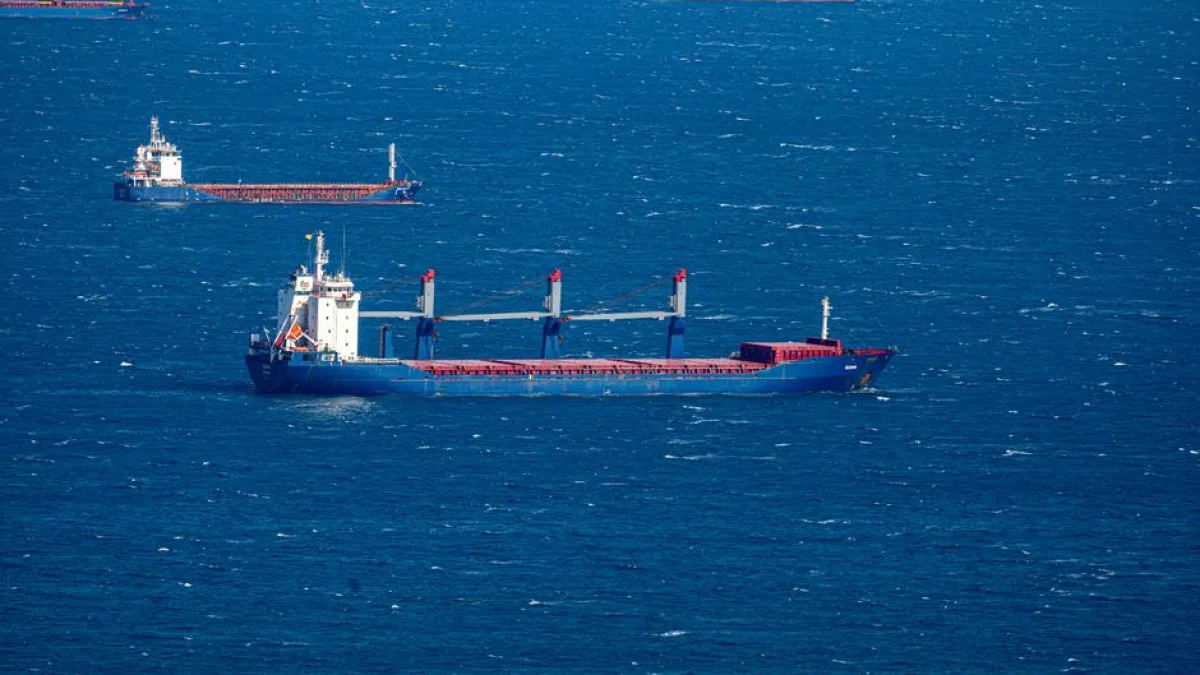
Managing ocean freight requires precise coordination of vessel schedules and port logistics to avoid costly delays. As carrier reliability remains a central concern, forwarders must utilize specialized software to track port congestion and optimize space allocation across multiple shipping lines effectively.
- Carrier performance monitoring: Evaluating carrier reliability metrics helps forwarders select the best shipping partners, ensuring that cargo reaches its destination on time and within the allocated budget.
- Dynamic route planning: Software solutions analyze current port congestion levels to suggest alternative routes, preventing potential shipments from being stuck in long queues at major hubs.
- Capacity management tools: Efficiently booking container space prevents last minute capacity crunches, allowing forwarders to secure better rates while maintaining a reliable supply chain for their customers.
- Container tracking accuracy: Integrated tracking systems provide precise location data for every container, ensuring that stakeholders remain informed about arrival times and any potential transit risks.
Optimizing ocean freight is a complex task that demands high level precision and reliable software tools to navigate unpredictable conditions. By focusing on data integrity and proactive carrier management, freight forwarders can successfully mitigate the risks of global disruption. These strategies not only improve operational outcomes but also build lasting trust with clients who depend on consistent delivery schedules for their businesses.
Streamlining Customs Compliance

Navigating the labyrinth of international customs regulations requires meticulous attention to detail and up to date knowledge of trade laws. Integrated platforms now offer automated compliance checks that help forwarders avoid penalties and ensure that all necessary paperwork is filed correctly.
- Automated duty calculations: Modern software automatically calculates import duties and taxes based on HS codes, eliminating the risk of overpayment or costly errors during the final clearance.
- Regulatory database integration: Accessing live updates for trade regulations across different countries ensures that all shipments comply with the latest local laws and international safety standards.
- Digital audit trails: Keeping an organized record of all customs filings simplifies the audit process, providing peace of mind for both the forwarder and their international clients.
- Risk management filters: Intelligent systems flag potential compliance issues before they become legal problems, protecting forwarders from heavy fines and unnecessary cargo hold ups at the border.
Streamlining the customs process is vital for ensuring smooth international trade and maintaining operational efficiency. By leveraging automated tools to handle regulatory compliance, forwarders can significantly reduce the risk of delays and fines. This proactive approach turns a traditionally burdensome task into a streamlined workflow, ultimately allowing logistics providers to deliver goods faster and more reliably to their end customers worldwide.
Building Resilient Client Relationships

Trust is the most valuable asset in the logistics industry, and providing excellent client experiences is the best way to earn it. By using transparent communication platforms, freight forwarders can foster long-term partnerships that survive market fluctuations and industry shifts through mutual reliability.
- Client portals access: Providing self service portals gives clients the power to track shipments and access reports independently, enhancing transparency and reducing the need for constant phone inquiries.
- Proactive issue resolution: Early communication regarding potential disruptions allows clients to adjust their plans, proving that the forwarder is a dedicated partner in their business success.
- Transparent billing cycles: Clear and easy to understand invoicing builds trust, as clients can see exactly what they are paying for without hidden fees or complex structures.
- Customized reporting tools: Tailored performance reports provide clients with valuable insights into their own logistics metrics, helping them optimize their internal inventory and supply chain operations.
Building resilient relationships requires a focus on transparency and a genuine commitment to client success in every transaction. When forwarders prioritize these values, they create a loyal client base that values service quality over the lowest possible price point. This level of partnership is essential for long term stability, ensuring that both parties continue to grow and thrive in a challenging global market.
Conclusion

Technology remains the greatest lever for growth in the modern freight industry. By embracing cloud-based solutions and optimizing core workflows, forwarders can overcome traditional barriers to success. Start evaluating your internal processes today to identify where automation can drive better results. Staying ahead of these trends will ensure that your business remains a reliable, efficient partner for clients throughout the evolving global supply chain.