Navigating the Future of Freight Forwarding Efficiency
Tuesday, September 22 2026

The global logistics landscape is undergoing a profound transformation driven by rapid technological integration and shifting trade dynamics. Freight forwarding professionals currently face the dual challenge of meeting rising client expectations for transparency while managing increasingly complex supply chain disruptions. As digital transformation becomes the standard rather than a competitive advantage, firms must prioritize agility and data accuracy to remain relevant. By leveraging cloud-based platforms like MakeCargo, forwarders can streamline operations, reduce manual errors, and provide real-time updates that empower stakeholders to make informed decisions. This evolution marks a significant milestone in how we orchestrate international trade today.
Embracing Digital Transformation
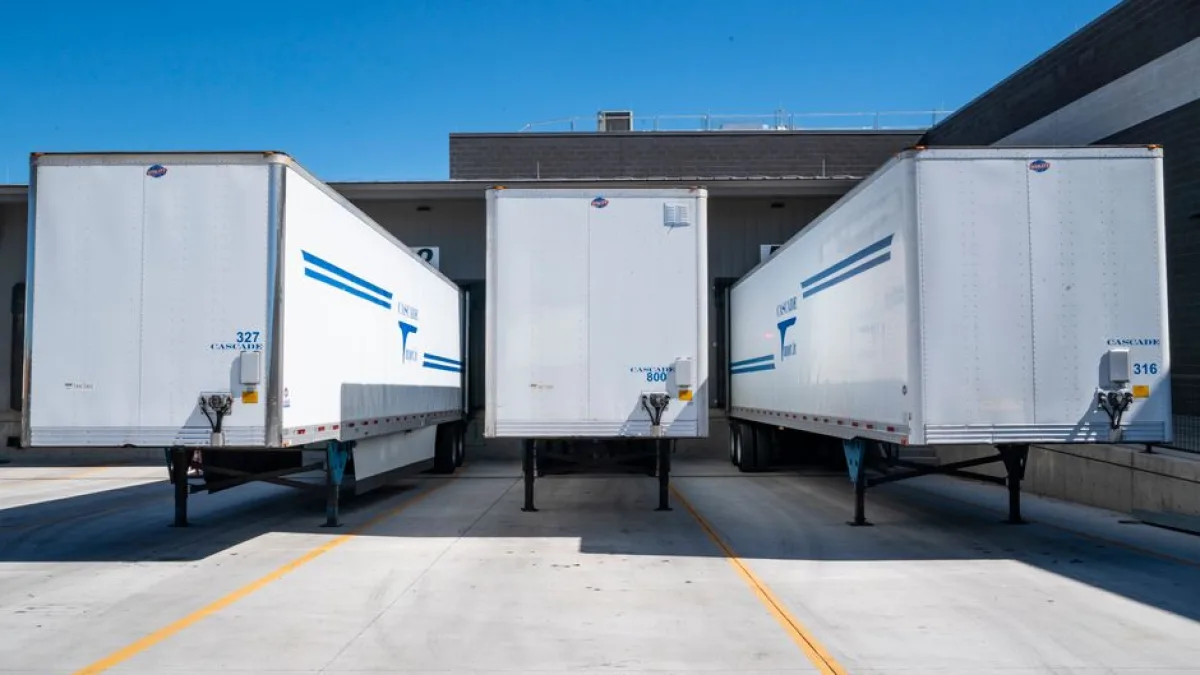
Modern digital warehouses represent the backbone of contemporary logistics, serving as hubs where advanced software connects physical inventory with virtual data streams. This seamless integration allows for unprecedented visibility and precision in managing high-volume freight movements across international borders.
- Automated Data Entry: Implement automated systems to capture shipping details directly from documents, which drastically reduces the human error rate and speeds up the entire documentation process for your team.
- Cloud Centralisation Benefits: Store all critical shipping files in a secure cloud environment, ensuring that your global teams have instant access to necessary paperwork regardless of their physical location.
- Real-time Tracking Updates: Provide your clients with live status reports by integrating automated tracking updates into your workflow, which helps build trust and significantly reduces customer support inquiries.
- Software Platform Integration: Connect your forwarding platform with other essential business tools like accounting software, creating a unified ecosystem that eliminates manual data silos and improves overall productivity.
Adopting digital transformation requires a strategic shift in corporate mindset rather than just a simple purchase of new software. As firms move away from legacy spreadsheets and paper-based tracking, they gain the ability to scale operations quickly. This technological foundation is essential for maintaining a competitive edge in a crowded marketplace where speed and data-driven accuracy determine which businesses thrive and which struggle.
Optimising Supply Chain Visibility
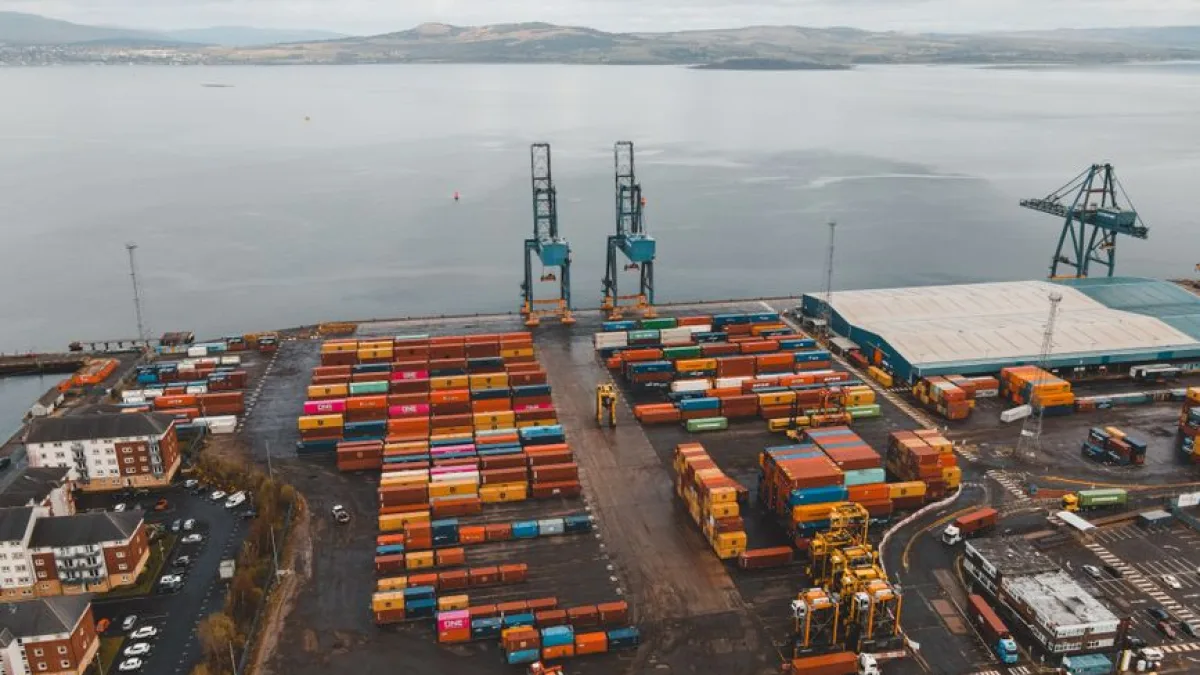
Port logistics depend on the constant flow of information between ocean carriers and local forwarding agents to ensure that containers move through terminals with maximum efficiency. Enhanced visibility prevents costly bottlenecks at major transition points during the shipping cycle.
- Live Shipment Tracking: Monitor container movements across all global ports in real-time, allowing your team to proactively address potential delays before they impact the final delivery schedule.
- Enhanced Port Connectivity: Use digital interfaces to communicate directly with port authorities and terminal operators, ensuring that your shipment documents are approved and ready for cargo release.
- Predictive Delay Analytics: Utilize advanced data tools to forecast potential supply chain disruptions, enabling you to reroute cargo or notify clients about changes long before they occur.
- Vendor Performance Metrics: Track the speed and reliability of your ocean carriers or trucking partners to ensure that your logistics network maintains high standards of operational excellence.
Achieving total supply chain visibility is no longer an optional luxury for professional forwarders. It serves as the primary currency for client retention in a world where uncertainty is constant. By investing in tools that provide granular oversight of every leg of the journey, firms can demonstrate superior value to their customers while simultaneously reducing the overhead costs associated with reactive crisis management efforts.
Strengthening Client Communication

Clear communication serves as the bedrock of every successful partnership between a freight forwarder and their diverse client base. When logistical updates are delivered with clarity and speed, trust flourishes even when complex shipping challenges inevitably arise during transit.
- Proactive Status Notifications: Send automatic email or platform alerts to clients whenever a shipment hits a key milestone, keeping them informed without requiring constant manual check-in requests.
- Transparent Digital Invoicing: Provide clients with clear, itemized digital invoices that detail every cost component, which helps eliminate confusion and accelerates the payment collection process for you.
- Direct Messaging Channels: Utilize secure, built-in communication channels to resolve specific shipment queries, keeping all relevant conversation history attached to the actual file for easy future reference.
- Client Portal Access: Grant your high-value clients access to a dedicated portal where they can view their own shipping history and current active orders independently and securely.
Effective communication builds long-term loyalty that survives the ups and downs of the volatile freight market. By empowering clients with self-service tools and consistent, transparent information, your team can focus on complex logistics problem solving rather than administrative updates. This approach not only enhances your reputation as a reliable partner but also significantly reduces the daily operational burden on your dedicated support staff.
Scaling Operations with Software

Scalability is the hallmark of a healthy logistics business, allowing firms to handle increased freight volumes without a linear increase in their administrative staff. A robust software platform provides the necessary infrastructure to support this growth seamlessly.
- Customizable Workflow Automation: Configure your software to match your unique operational processes, ensuring that every team member follows the same efficient path when managing a new shipment.
- Secure Data Backups: Protect your vital company information with automatic cloud-based backups, which ensure that you can recover instantly from any unexpected technical failures or security threats.
- Scalable Resource Planning: Utilize detailed analytics to forecast seasonal demand surges, allowing you to allocate your human and capital resources effectively to meet the upcoming business requirements.
- User Role Management: Control internal data access by assigning specific roles to employees, ensuring that sensitive information remains secure while staff have what they need to work.
Growth is achievable for any forwarder who chooses the right technological partner to manage their increasing workload. As you transition to automated systems, your business becomes more resilient against market fluctuations and more capable of handling large-scale logistics projects. By focusing on smart scaling through technology, you position your firm as an industry leader that is ready for the future of international trade.
Conclusion
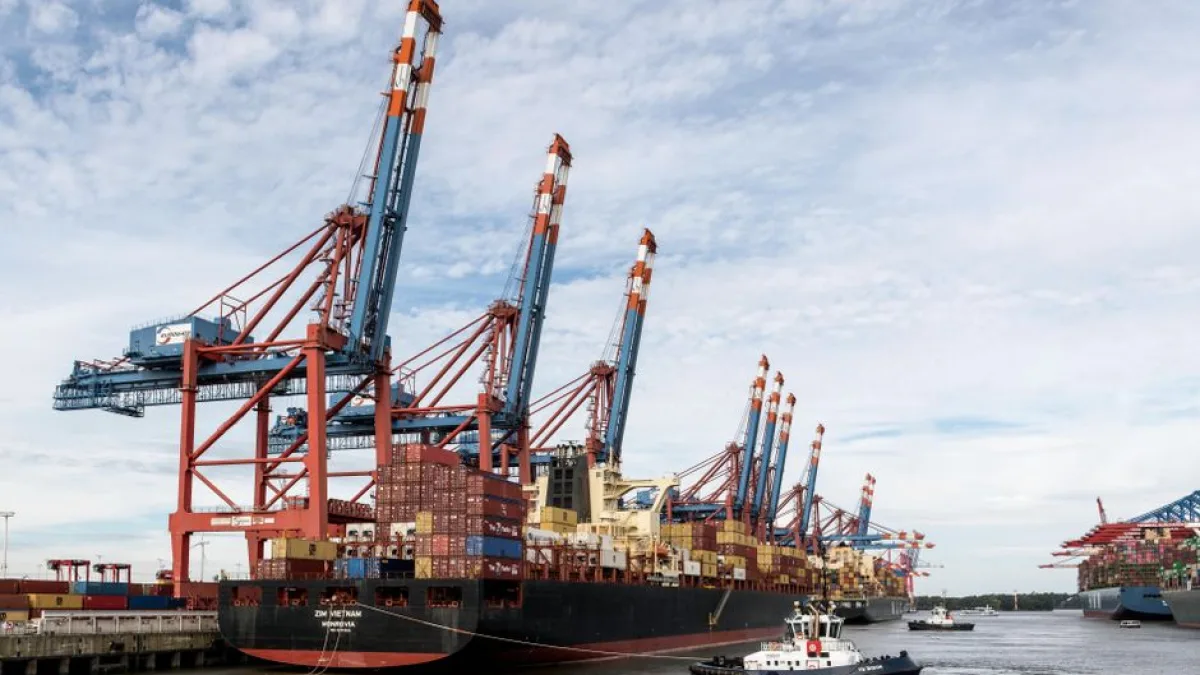
The future of freight forwarding belongs to those who embrace digital innovation to enhance speed, transparency, and operational scalability. By modernizing your workflow with cloud-based software, you effectively remove the barriers that prevent sustainable growth. Start integrating these advanced tools into your daily operations today to ensure your firm remains competitive in the evolving global landscape. Your journey toward greater efficiency starts right now.