Navigating the Future of Freight Forwarding Technology
Thursday, July 23 2026

The global logistics landscape is undergoing a massive transformation driven by rapid technological advancement and changing consumer expectations. As freight forwarders face increasing pressure to provide real-time visibility and seamless digital experiences, legacy manual processes are becoming significant liabilities. Modern software solutions like MakeCargo are no longer optional luxuries but essential infrastructure for businesses aiming to remain competitive. By embracing cloud-native platforms, forwarders can effectively centralize their operations, reduce human error, and unlock new levels of efficiency. This article examines key trends and strategies that will define the success of logistics providers in the coming years as we embrace a fully digital trade environment.
Automated Operations and Efficiency
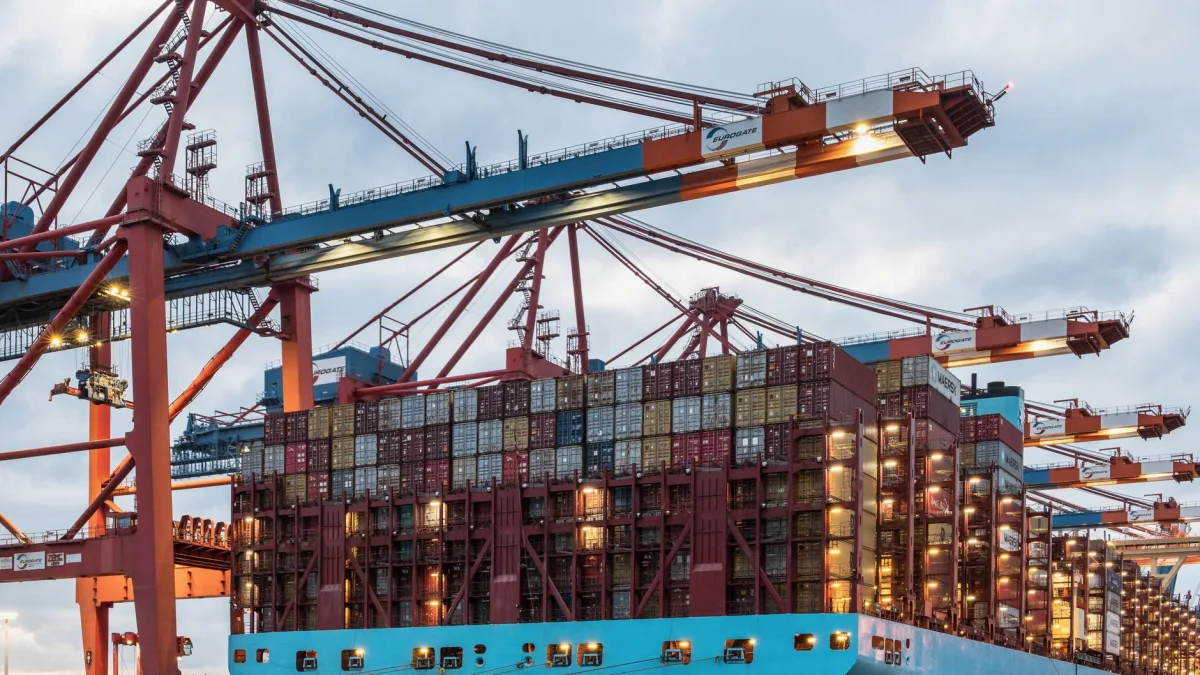
Automation serves as the backbone of modern logistics, allowing teams to move beyond manual entry and focus on strategic growth. By digitizing repetitive tasks, forwarders save countless hours every week and significantly improve the overall accuracy of their international shipments.
- Eliminate manual entry: Intelligent data capture tools allow your team to automate document processing while significantly reducing the likelihood of human error during the critical data migration phase.
- Streamlined booking workflows: Integrated digital booking modules enable your clients to secure freight space instantly without the need for endless email threads or repetitive phone confirmation calls.
- Automated status updates: Proactive tracking systems provide real-time notifications to stakeholders, which builds trust and minimizes the volume of manual status inquiries directed at your operations team.
- Intelligent workflow routing: Smart software features automatically route shipments based on predetermined business logic, ensuring that your team maintains compliance and operational standards across every single movement.
Adopting automation is the single most effective way to scale your freight forwarding business without increasing your headcount proportionally. When mundane tasks are handled by software, your staff can focus on high-value activities like relationship management and complex problem solving. This shift in focus is essential for long-term viability in a fast-paced market where clients expect instant information and professional service.
Real-time Data and Visibility

Transparency is the most requested feature from modern shippers looking for reliable logistics partners. Providing your clients with a clear view of their supply chain status creates a massive competitive advantage that separates top-tier forwarders from the rest.
- Live tracking portals: Offer your customers secure access to a branded digital portal where they can view the live status of all their shipments in one place.
- Actionable supply alerts: Set up custom triggers that notify your clients instantly when milestones are met or if a delay occurs that requires their immediate urgent attention.
- Data-driven performance reports: Generate automated analytics dashboards that provide clients with clear insights into their transit times, shipping costs, and overall logistics performance metrics every month.
- Centralized documentation access: Store every essential shipping document in a secure cloud repository where clients can retrieve invoices, bills of lading, and customs forms at any time.
Data transparency is the foundation of modern client relationships in the freight industry. By giving customers the tools to monitor their goods independently, you save time on administrative support and build a reputation for honesty and excellence. Businesses that prioritize digital visibility see higher retention rates and are much better positioned to handle the complex demands of modern global supply chain logistics.
Cloud Security and Scalability

Moving your operations to the cloud offers unparalleled flexibility, especially as remote work becomes a standard expectation. Cloud platforms ensure that your team can access critical shipment data from anywhere in the world, safely and securely, at any time.
- Robust cloud security: Enterprise-grade encryption and regular security updates keep your sensitive business data protected from cyber threats while maintaining full regulatory compliance for global logistics.
- Infinite system scalability: Cloud software allows your business to grow seamlessly because you can easily add new users and features without worrying about expensive hardware maintenance.
- Anywhere team access: Enable your global team to collaborate effectively in a shared digital environment regardless of their physical location or the time zone they occupy.
- Cost effective maintenance: Remove the burden of managing internal servers by offloading infrastructure requirements to a cloud provider that guarantees high availability and consistent system uptime.
Security and scalability are the primary drivers for moving freight forwarding operations to cloud-native platforms. By leveraging professional-grade cloud infrastructure, you protect your company from data loss while gaining the ability to expand your footprint rapidly. This strategic move ensures your technology stack remains lean and flexible, allowing you to adapt quickly to sudden changes in market conditions or business volume.
Customer Centric Digital Strategy

A truly digital forwarder understands that software must enhance the human experience rather than replace it. Designing your workflow around the specific needs of your customers ensures that every digital interaction adds value to your existing professional partnership.
- Enhanced client communication: Integrated messaging tools allow your team to communicate within the context of specific shipments, ensuring that no vital information is lost in general emails.
- Personalized digital experiences: Tailor your software interface to reflect your brand identity and provide a custom dashboard that emphasizes the metrics your clients care about most.
- Mobile first accessibility: Empower your clients and staff to manage logistics tasks on the go using mobile-responsive platforms that work perfectly on any tablet or smartphone device.
- User friendly navigation: Prioritize intuitive interface design so that new clients can adopt your technology without needing extensive training or complex onboarding sessions for their logistics teams.
Focusing on the user experience is how you create long-lasting loyalty in a crowded freight forwarding market. When you provide tools that simplify life for your clients, you make yourself an indispensable part of their business operations. Digital strategy is about using technology to make your services easier to consume, fostering strong partnerships built on professional efficiency and modern, streamlined communication.
Conclusion

Success in the modern freight industry requires a commitment to digital transformation and the adoption of professional software solutions. By automating operations, increasing data transparency, and leveraging secure cloud technology, forwarders can improve their efficiency and customer satisfaction levels. Stay ahead of the competition by choosing a robust platform like MakeCargo. Contact our team today to schedule a demo and start optimizing your logistics.