Navigating the Future of Freight Forwarding Technology
Friday, August 21 2026

The global logistics landscape is undergoing a massive transformation driven by rapid technological advancement and changing consumer expectations. Freight forwarders are currently facing pressure to abandon manual processes in favor of cloud-based platforms that offer visibility and speed. As supply chain complexities increase, the ability to centralize data becomes a competitive necessity rather than a luxury. MakeCargo is committed to helping professionals navigate these shifts by providing insights into digital adoption, operational efficiency, and long-term scalability. This article explores how industry leaders are leveraging modern software to redefine the standards of international trade and logistics management for the modern era.
Embracing Cloud Integration

Transitioning to cloud-based architecture allows logistics companies to break free from siloed data structures. By hosting operations in a secure, centralized environment, teams can collaborate effectively from any location while maintaining a single source of truth for all complex shipment documentation.
- Real-time data synchronization: Modern cloud platforms ensure that every stakeholder accesses identical shipment details instantly, eliminating communication delays and reducing errors caused by outdated spreadsheets or manual email tracking updates.
- Enhanced remote collaboration: Teams working across different time zones can manage tasks and updates within one unified system, improving overall productivity and ensuring consistent workflows for global freight operations.
- Scalable infrastructure growth: Cloud solutions grow alongside your business, allowing you to add new user licenses or expanded data capacity without the need for expensive hardware or server installations.
- Superior security protocols: Professional cloud providers implement enterprise-grade encryption and regular security patches to protect sensitive client information from unauthorized access, ensuring full compliance with international data privacy standards.
Adopting cloud technology represents a fundamental shift in how forwarding agencies maintain their competitive advantage. By moving away from legacy software, firms can foster a more agile environment that responds quickly to market fluctuations. This transformation enables personnel to focus on high-value client interactions rather than repetitive administrative tasks, ultimately building a stronger foundation for sustainable growth and long-term success in the industry.
Optimizing Shipment Visibility
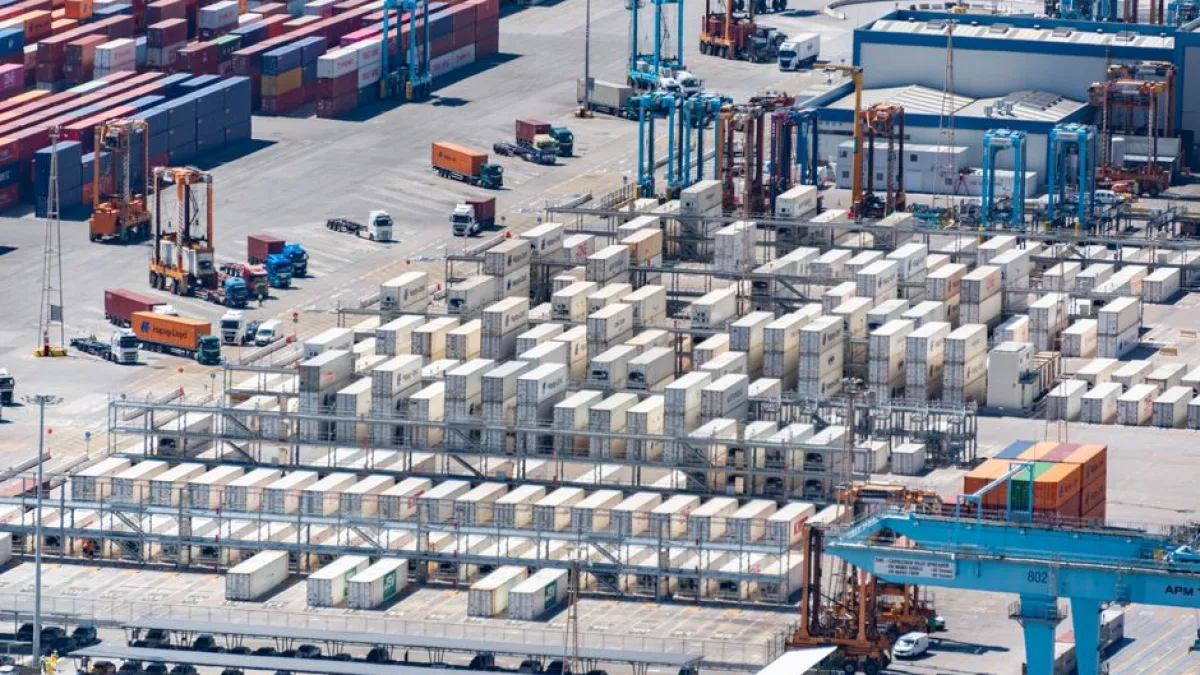
Transparency has become the most sought-after feature for modern freight shippers who demand constant updates on cargo status. Advanced tracking systems integrated into your platform provide the clarity required to manage expectations and resolve delays before they escalate into serious problems.
- Automated status updates: Systems that trigger automatic notifications based on carrier milestones keep your customers fully informed, saving your staff significant time spent answering manual inquiries regarding shipment progress.
- Proactive delay management: Early warnings provided by digital tracking tools allow freight forwarders to pivot strategies immediately when unexpected port congestion or carrier delays threaten delivery timelines for clients.
- Client portal access: Providing customers with their own secure login to view shipment statuses increases trust and reduces the administrative burden on your internal customer service support teams.
- Granular milestone tracking: Detailed visibility into every leg of the journey ensures that no checkpoint is missed, creating a professional audit trail that helps in resolving insurance claims.
The ability to provide accurate and immediate information distinguishes top-tier forwarders from the rest of the market. Clients today view visibility as an essential part of the service package rather than a premium add-on feature. By integrating these systems, your firm can demonstrate reliability and professional competence, effectively turning shipment transparency into a powerful tool for customer retention and market differentiation.
Streamlining Document Management

Managing the endless stream of bills of lading, commercial invoices, and packing lists is a notorious drain on staff time. Digital document management systems convert these physical papers into searchable, organized digital assets that are instantly available during the critical customs clearing process.
- Instant retrieval speed: Digital indexing allows your team to find specific shipping documents in seconds, significantly reducing the time spent searching through physical filing cabinets or cluttered folders.
- Standardized document templates: Using pre-built templates for common export documents ensures consistency across your documentation process, preventing errors that often lead to customs fines or shipment rejections.
- Paperless operational flow: Moving to a digital-first approach reduces physical waste and storage costs while supporting environmental sustainability initiatives that many corporate clients now require for their suppliers.
- Secure digital signatures: Integrated e-signature capabilities allow for the quick approval of essential paperwork, facilitating faster turnaround times for international transactions that previously required slow courier deliveries.
Efficient document handling is the backbone of smooth international trade operations. When information is disorganized, the entire supply chain slows down, leading to increased costs and frustrated partners. Investing in automated document tools allows your team to process files with higher accuracy and less manual intervention. This efficiency shift is critical for firms looking to handle higher volumes without increasing their headcount.
Leveraging Predictive Analytics
Modern platforms do more than track current shipments; they analyze historical trends to predict future operational challenges. By utilizing data-driven insights, forwarders can make smarter decisions regarding carrier selection, route optimization, and resource allocation to maintain higher profit margins throughout the fiscal year.
- Data-backed carrier selection: Reviewing historical performance metrics helps you choose carriers that provide the best combination of speed, reliability, and cost effectiveness based on actual previous shipment data.
- Cost trend analysis: Identifying patterns in rising freight rates allows your agency to negotiate better contracts and provide clients with accurate pricing forecasts before major market shifts occur.
- Resource demand planning: Analyzing seasonal volume fluctuations enables better management of your internal staff resources, ensuring that your team is prepared for peak periods without experiencing burnout.
- Operational performance reports: Customizable dashboards provide clear visual representations of your key performance indicators, highlighting areas where your business can improve efficiency to maximize overall revenue potential.
Predictive analytics turns raw shipment data into a roadmap for future business strategy. Rather than reacting to problems as they arise, forwarders can utilize these tools to anticipate changes and stay ahead of the curve. This shift from reactive to proactive management is what defines the most successful companies in the industry today, ensuring they remain resilient during periods of market instability.
Conclusion
The evolution of freight forwarding is clearly tied to the adoption of sophisticated software solutions. By integrating cloud technology, enhancing visibility, digitizing documentation, and using analytics, forwarders can achieve unprecedented efficiency. These tools are no longer optional for those wishing to remain relevant. Start your journey toward full digital transformation today to ensure your agency stays at the forefront of the global trade industry.