Navigating the Future of Freight Forwarding Technology
Tuesday, September 1 2026
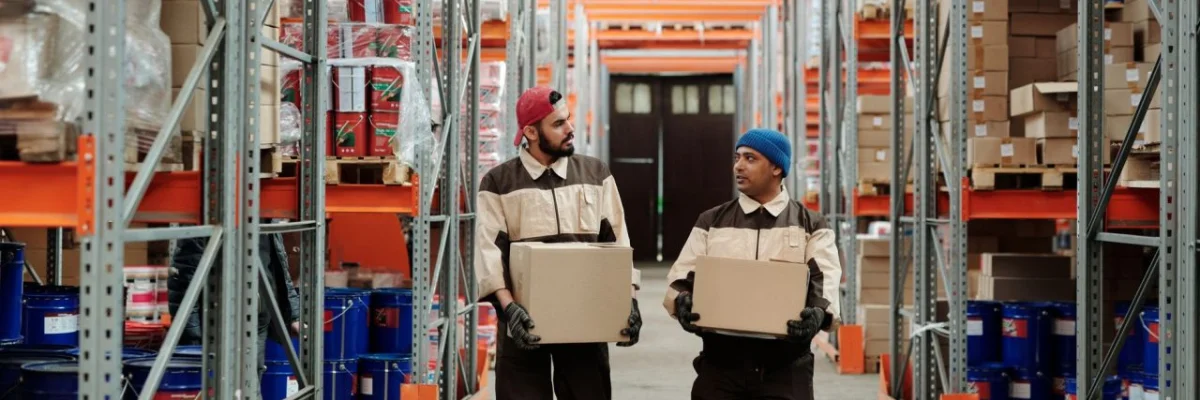
The global logistics landscape is undergoing a profound transformation driven by rapid technological integration and shifting trade dynamics. As freight forwarders face increasing pressure to provide transparency and speed, the reliance on outdated manual processes is no longer a viable strategy for success. Forward-thinking companies are now leveraging cloud-based platforms to harmonize complex workflows and improve communication across the supply chain. This shift towards digitization is not merely an optional upgrade but a fundamental requirement to remain competitive in a volatile international market that demands accuracy, reliability, and real-time visibility from all participants involved in global trade.
Modernizing Logistics Workflow Management
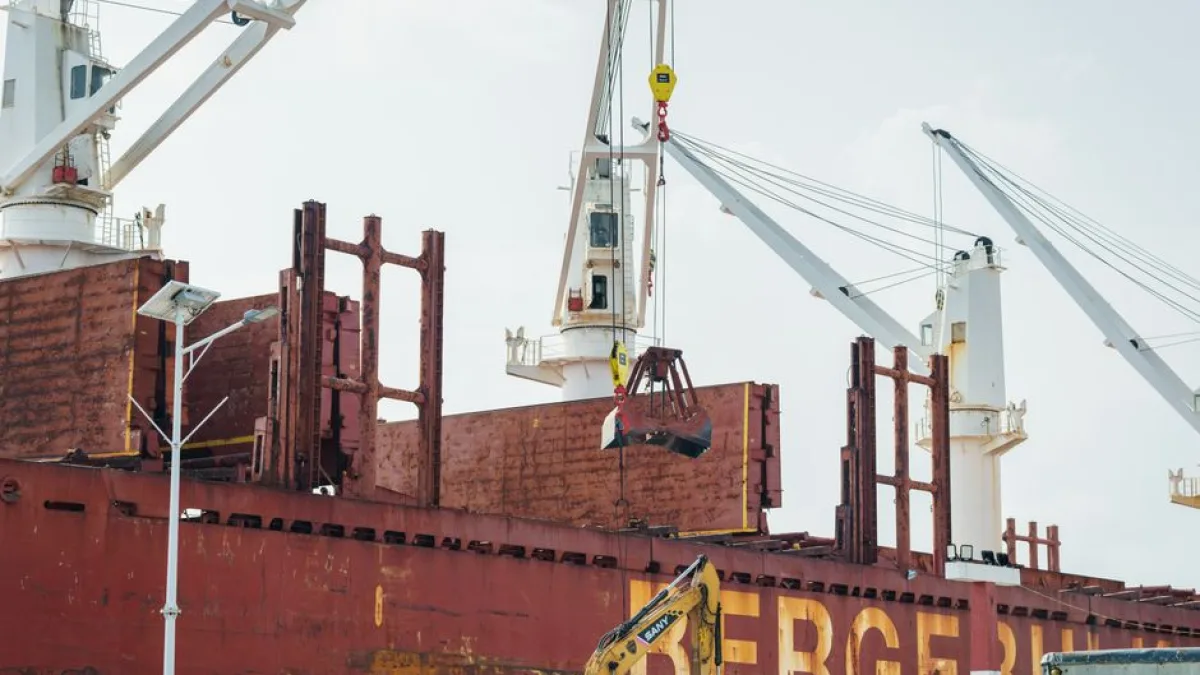
Digital transformation begins with how teams handle daily operations within a unified software environment. Moving away from scattered spreadsheets allows forwarders to capture critical data points in a centralized location, which significantly reduces the risk of human error and communication delays.
- Centralized Data Management: Storing every shipment detail in a cloud database ensures that your entire team accesses the same real-time information to prevent costly errors and improve internal coordination across departments.
- Automated Workflow Efficiency: Implementing automation tools for documentation and repetitive tasks frees up your logistics team to focus on high-value client interactions and complex strategic planning initiatives for growth.
- Enhanced Operational Transparency: Providing stakeholders with clear visibility into every stage of the shipment process builds long-term trust and differentiates your firm from competitors using less transparent legacy systems.
- Seamless Team Collaboration: Integrated messaging tools within your management software ensure that global teams stay aligned on updates, reducing the time spent on lengthy email threads and status check meetings.
Adopting a robust digital infrastructure allows freight forwarders to scale their operations without experiencing the typical bottlenecks that plague manual processes. When your data resides in a secure cloud environment, your team can respond to unexpected disruptions with confidence and precision. This structural change empowers your business to deliver consistent results while maintaining a lean operational model that supports sustainable growth in the modern era.
Leveraging Real-Time Shipment Tracking

Visibility is the new currency of international logistics as shippers expect instant access to the precise location of their goods. Real-time tracking capabilities allow forwarders to manage exceptions proactively, ensuring that clients remain informed before issues escalate into serious delays.
- Live Status Updates: Providing clients with up to the minute tracking data fosters deep loyalty while minimizing the time your staff spends answering routine status inquiries over the phone daily.
- Proactive Exception Handling: Advanced notification systems alert your operations team to potential transit delays immediately, allowing you to implement contingency plans before the cargo is even held at customs.
- Improved Carrier Accountability: Monitoring actual transit times against planned schedules helps you evaluate carrier performance accurately and negotiate better service agreements based on proven data instead of subjective opinions.
- Automated Client Alerts: Triggering automatic notifications for specific milestones like vessel departure or port arrival keeps your customers updated without requiring additional manual intervention from your customer service representatives.
Delivering high-level visibility transforms the client experience by removing uncertainty from the shipping journey. When companies offer reliable tracking, they position themselves as essential partners rather than simple service providers. This level of transparency enables your customers to manage their inventory levels more effectively, which in turn strengthens your business relationship and increases the likelihood of long-term contract renewals and referrals.
Optimizing Automated Customs Compliance

Navigating the complex maze of international customs regulations remains one of the most challenging aspects of freight forwarding. Automation software simplifies these compliance requirements by validating documentation before submission, which helps to avoid expensive fines and cargo seizures at various borders.
- Pre-submission Document Validation: Smart software checks your customs paperwork for missing information or incorrect codes, ensuring that every filing meets the strict regulatory standards required by local and international authorities.
- Standardized Regulatory Templates: Utilizing pre-built templates for common trade lanes guarantees that your customs declarations are consistent and professional, reducing the time your experts spend on repetitive manual data entry.
- Secure Cloud Storage: Keeping all customs documentation in a protected digital vault simplifies the auditing process and ensures that your firm maintains perfect records for all historical shipment compliance.
- Integrated Regulatory Updates: Modern platforms push automatic updates regarding trade law changes, ensuring your team always works with the most recent requirements to prevent unintentional violations and costly penalties.
Streamlined customs processes reduce the friction that often hinders the speed of global trade. By removing the guesswork from regulatory filings, forwarders can significantly increase the velocity of their shipments while maintaining complete control over compliance. This technological edge is essential for protecting your firm against legal risks while ensuring that goods move across international boundaries with minimal administrative interference and delays.
Building Scalable Growth Strategies
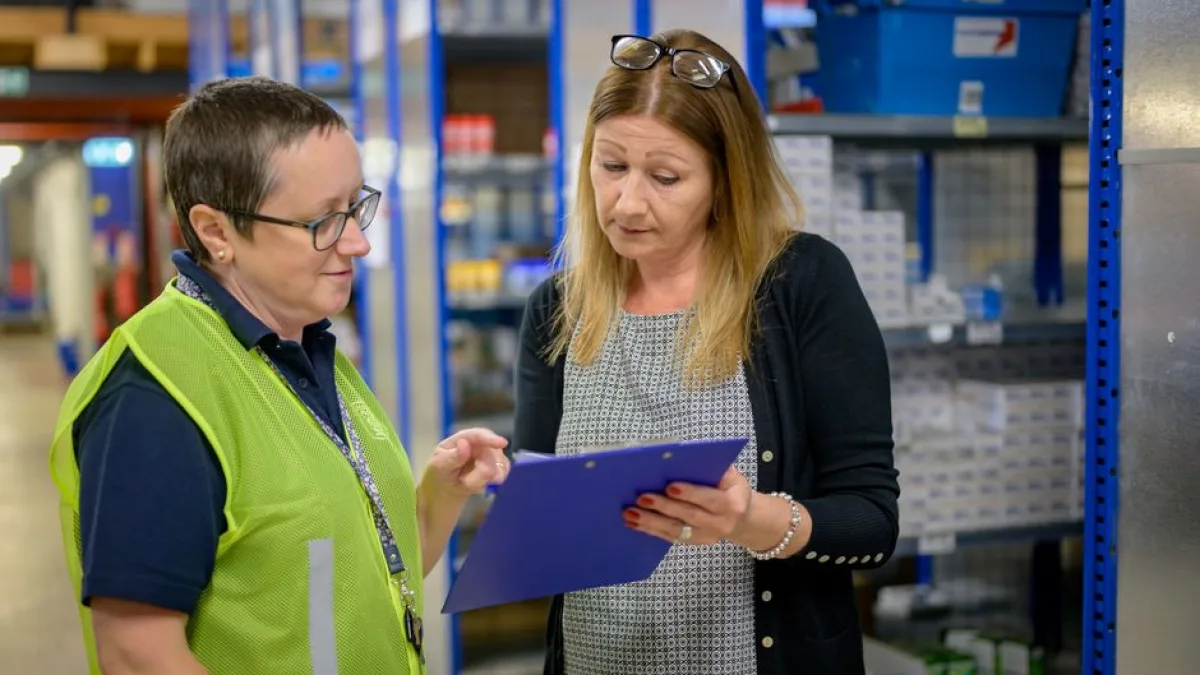
Scaling a freight forwarding business requires a strategic approach to technology that supports expansion into new trade lanes and markets. Selecting a platform that grows with your needs ensures that you can handle increased shipment volumes without compromising quality or operational efficiency.
- Flexible Software Architecture: Choosing a scalable cloud platform allows you to add users and new features quickly as your business expands into international markets and increases your total cargo volume.
- Integrated Accounting Tools: Connecting your operational data directly to accounting systems eliminates manual reconciliation steps and provides leadership with accurate, real-time financial reporting for making informed investment decisions daily.
- Customized Reporting Analytics: Generating detailed performance reports helps you identify your most profitable trade lanes and service types, allowing you to allocate company resources toward the most effective growth.
- Vendor Integration Capabilities: Connecting your software with partners and vendors simplifies the exchange of critical information, creating a cohesive network that supports your long-term expansion goals and service diversity.
Focusing on scalable technology provides the foundation for long-term success in the competitive freight sector. By investing in tools that grow alongside your firm, you position yourself to capture new opportunities without the friction of legacy systems holding you back. A modern software platform serves as the engine for your expansion, enabling you to deliver superior service even as your shipment volumes climb higher.
Conclusion

Technology is the primary driver of change in the modern freight forwarding industry. Companies that prioritize digital transformation today will be the leaders of tomorrow. By leveraging cloud-based platforms for workflow management, visibility, and compliance, forwarders can drive efficiency and build stronger client relationships. Embrace these tools to secure your future in the global marketplace and achieve lasting success within the logistics industry.