Navigating the Future of Freight Forwarding Technology
Friday, October 2 2026

The global logistics landscape is undergoing a profound transformation driven by rapid technological integration and shifting consumer expectations. For freight forwarders, the challenge is no longer just about moving physical goods from one destination to another but managing complex data streams that dictate efficiency, speed, and reliability. As market volatility becomes the new norm, adoption of cloud-based platforms is shifting from a luxury to an absolute necessity for survival. Companies that embrace these digital tools are finding themselves better equipped to handle disruptions while simultaneously providing the high-level transparency that modern shippers demand in today's increasingly interconnected global trade network.
Digital Transformation Strategies

Digital transformation represents more than just digitizing paper processes; it is about leveraging data to create smarter supply chains. Firms that invest in comprehensive software solutions gain a competitive edge by automating mundane tasks and allowing teams to focus on high-value strategic decision-making.
- Cloud Migration Benefits: Moving your infrastructure to the cloud ensures that your data is accessible from anywhere while providing the scalability needed to handle sudden increases in shipment volume and complexity.
- Data Integration Power: Connecting your freight software with carriers and customs authorities creates a unified workflow that reduces manual entry errors and significantly speeds up overall processing times for customers.
- Process Automation Gains: Implementing automated document handling and shipment tracking allows your staff to save hours each week, redirecting their talent toward solving complex logistics problems for your clients.
- Scalable Software Architecture: Choosing a platform designed for growth ensures that your technology remains effective as your business expands across new international routes and adds more service offerings to customers.
Adopting these strategies is vital for any forwarding business aiming to thrive in an era of rapid change. By reducing technical debt and focusing on modern infrastructure, organizations can remain agile. This transition requires patience, but the rewards include lower operational overhead, improved accuracy, and a vastly better experience for every shipper who relies on your firm to manage their essential international cargo movements.
Predictive Analytics Implementation
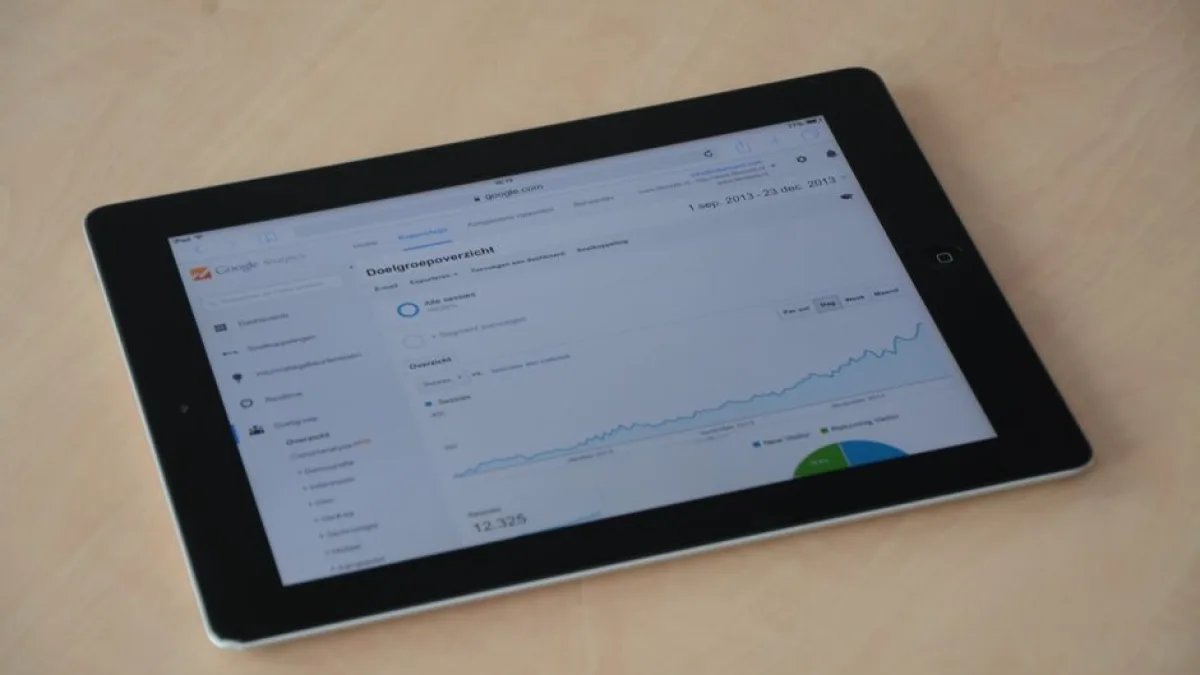
Predictive analytics allows freight forwarders to anticipate disruptions before they become critical issues. By analyzing historical data and real-time market trends, managers can make proactive adjustments to routes, carrier selections, and inventory strategies to ensure smoother operations for their clients.
- Proactive Risk Mitigation: Advanced algorithms help you identify potential bottlenecks in the supply chain early, allowing you to re-route shipments or warn clients before a delay impacts their delivery schedules.
- Market Trend Forecasting: Using historical freight data helps you predict seasonal surges in demand, enabling better negotiation with carriers and smarter allocation of your internal resources during busy periods.
- Enhanced Decision Making: Data-driven insights provide the clarity needed to choose the best transit options, ensuring that cost and speed are perfectly balanced for every specific customer shipment requirement.
- Resource Allocation Optimization: Smart analytics help you deploy your workforce where it matters most, ensuring that your team is always ready to address the most urgent tasks during operations.
Integrating these predictive tools into your daily workflow transforms your business from a reactive service provider into a strategic partner for your shippers. When you can foresee potential problems, you offer a level of reliability that competitors simply cannot match. Investing in intelligence is essentially an investment in customer trust, which ultimately leads to stronger long-term partnerships and a more stable revenue stream.
Customer Experience Standards

Customer expectations are higher than ever, with shippers demanding instant visibility and seamless communication throughout the entire transit process. Modern software platforms help you meet these expectations by providing self-service portals and automated status notifications that keep clients informed at all times.
- Self-Service Portals: Allowing customers to track their cargo and access important documents independently saves your team from handling repetitive queries while empowering clients to manage their own information needs.
- Automated Tracking Alerts: Sending real-time updates regarding shipment status ensures that your clients remain informed without the need for manual outreach, building significant confidence and professional reliability every time.
- Transparent Communication Channels: Using centralized communication tools ensures that every interaction is recorded and easily accessible, which prevents misunderstandings and improves the quality of service for every single client.
- Client Retention Boost: Providing a superior digital experience helps build long-term loyalty, as shippers prefer working with forwarders who make their lives easier through accessible and user-friendly technology platforms.
The success of a forwarding firm today rests on how well they communicate with their user base. By moving away from email-heavy processes and towards streamlined digital portals, you elevate the quality of your brand. Shippers value convenience above almost everything else, and by providing a modern interface, you demonstrate a commitment to excellence that keeps your business competitive in a crowded market.
Cybersecurity In Logistics

As the freight industry becomes more digital, the risk of data breaches and cyber attacks grows significantly. Protecting sensitive shipment information and financial records is now a foundational requirement for any forwarder that hopes to maintain credibility and avoid devastating operational interruptions or legal penalties.
- Robust Encryption Standards: Utilizing high-level encryption for all stored and transmitted data keeps sensitive client information safe from unauthorized access, ensuring compliance with international privacy regulations and industry best practices.
- Secure Access Management: Implementing multi-factor authentication for all users ensures that only authorized personnel can access sensitive cargo details, significantly lowering the risk of internal or external security compromises.
- Regular System Audits: Conducting periodic security checks helps identify vulnerabilities within your software ecosystem before attackers can exploit them, ensuring your platform remains hardened against the latest global cyber threats.
- Data Backup Solutions: Maintaining consistent and secure backups of your business data ensures that your operations can continue even if a security incident occurs, preventing massive operational downtime issues.
Cybersecurity is a non-negotiable pillar of your digital strategy. While it may seem like a purely technical concern, it is actually a vital aspect of your professional reputation. By prioritizing the safety of your clients' data, you differentiate yourself from less diligent competitors. A secure platform allows your business to operate with peace of mind, knowing that you are fully protected against modern digital threats.
Conclusion

The freight forwarding industry is evolving rapidly, and the adoption of cloud-based technology is the primary driver of this shift. By embracing digital strategies, predictive analytics, superior customer experience, and robust security, your firm can remain resilient against market volatility. Start your journey toward modernization today to ensure your business remains a leader in global trade efficiency for many years to come.